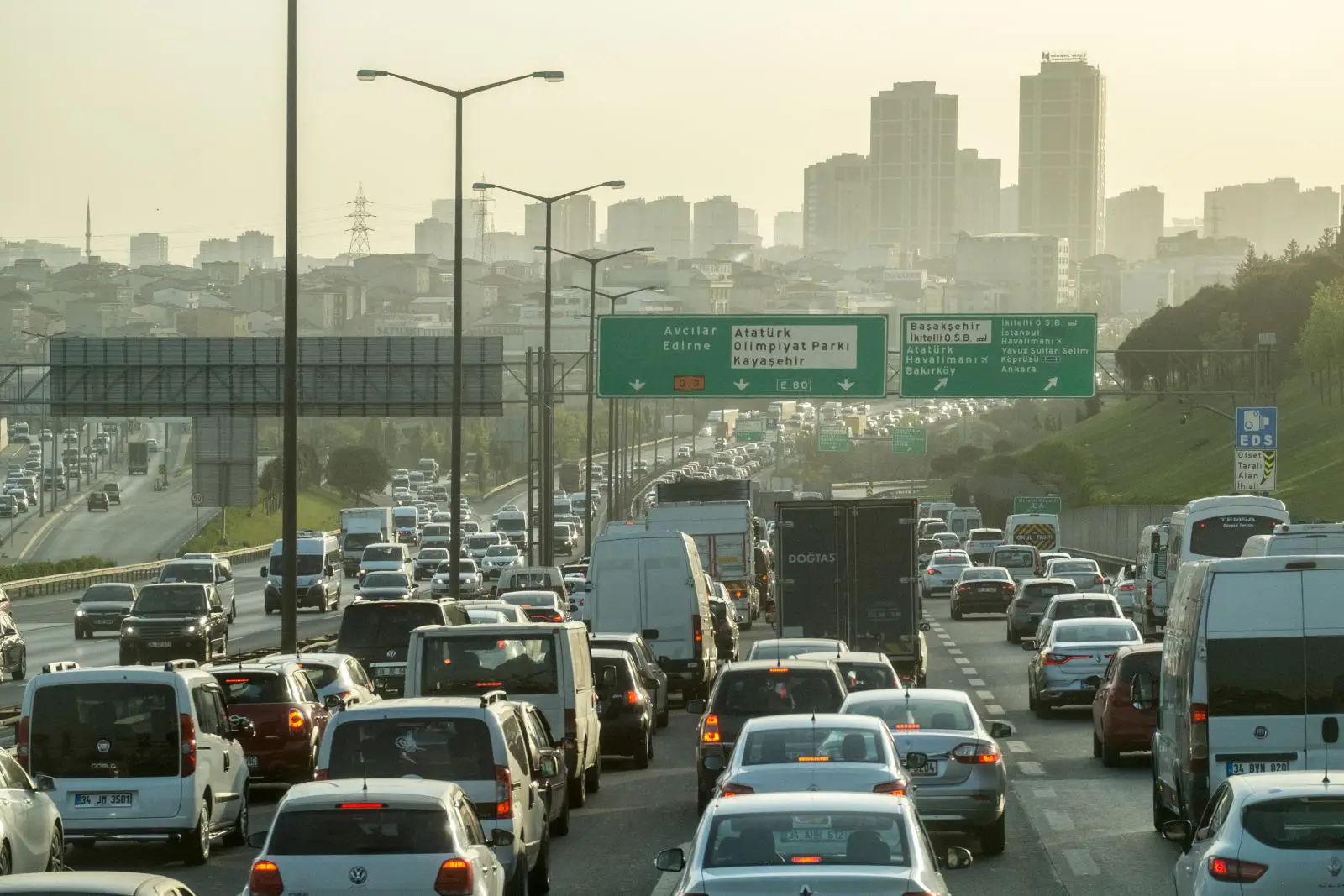
Travelers often judge a city by how smoothly they can move through it, whether by car, train, or ferry. This year brings news highlighting the world’s growing mobility challenges: Istanbul has been named the most congested city in 2025.
The announcement comes from the newly released INRIX 2025 Global Traffic Scorecard, a major annual report that analyzes traffic patterns across hundreds of urban areas worldwide. The report examines delays, commuter hours lost, and broader transportation trends that shape how residents and visitors experience the world’s largest cities.
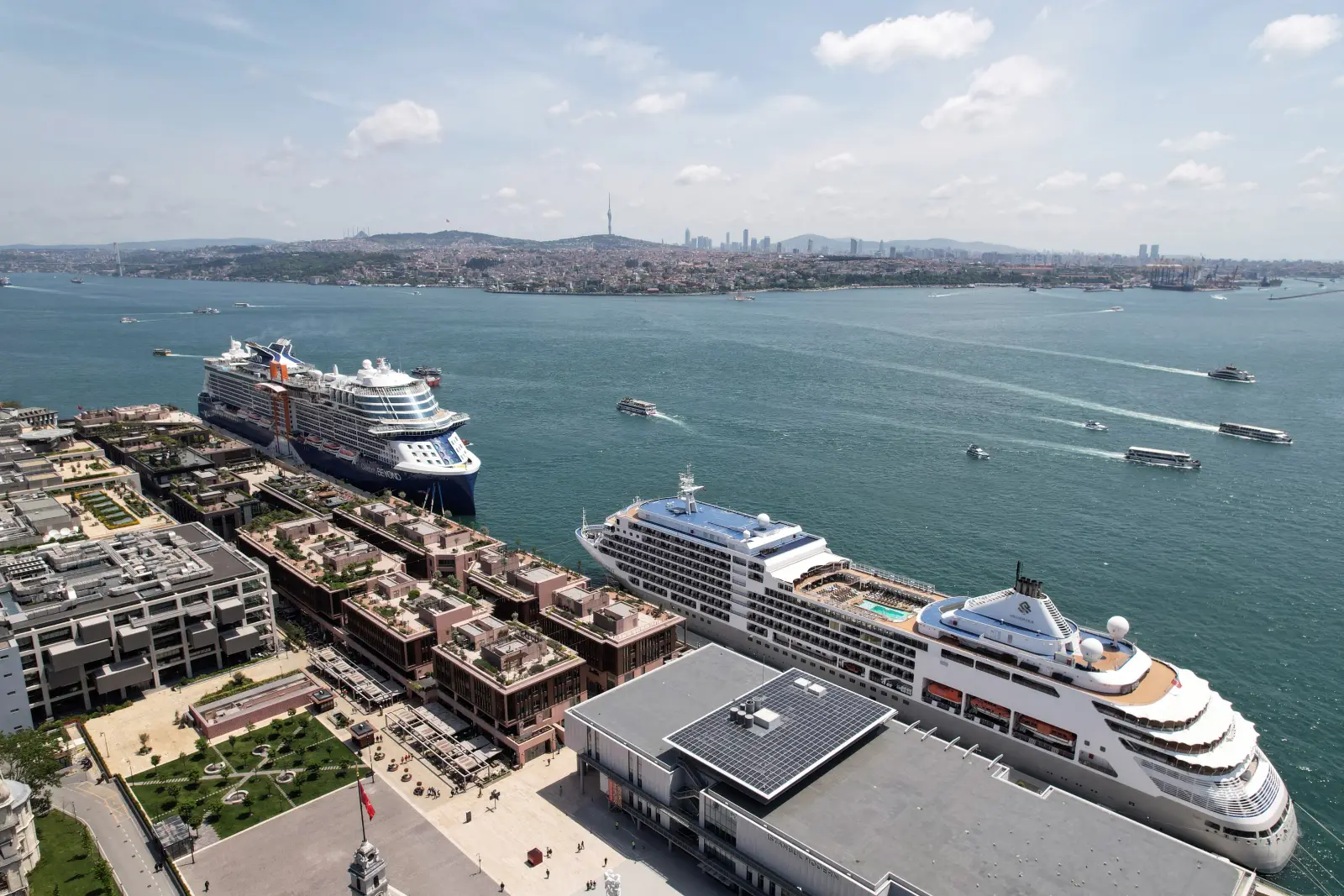
For travelers, this development matters because congestion can influence everything from trip planning to the overall rhythm of a visit. Istanbul remains a remarkable destination with deep cultural appeal, but the report notes that drivers lost 118 hours to traffic in 2025. That figure reflects a 12 percent increase from the previous year, placing the city at the top of the global list. It also underscores the challenge of navigating a metropolis divided between two continents and shaped by historic districts not designed for modern travel volumes. Visitors may benefit from using ferries, metro lines, or trams during peak hours to avoid extended delays.
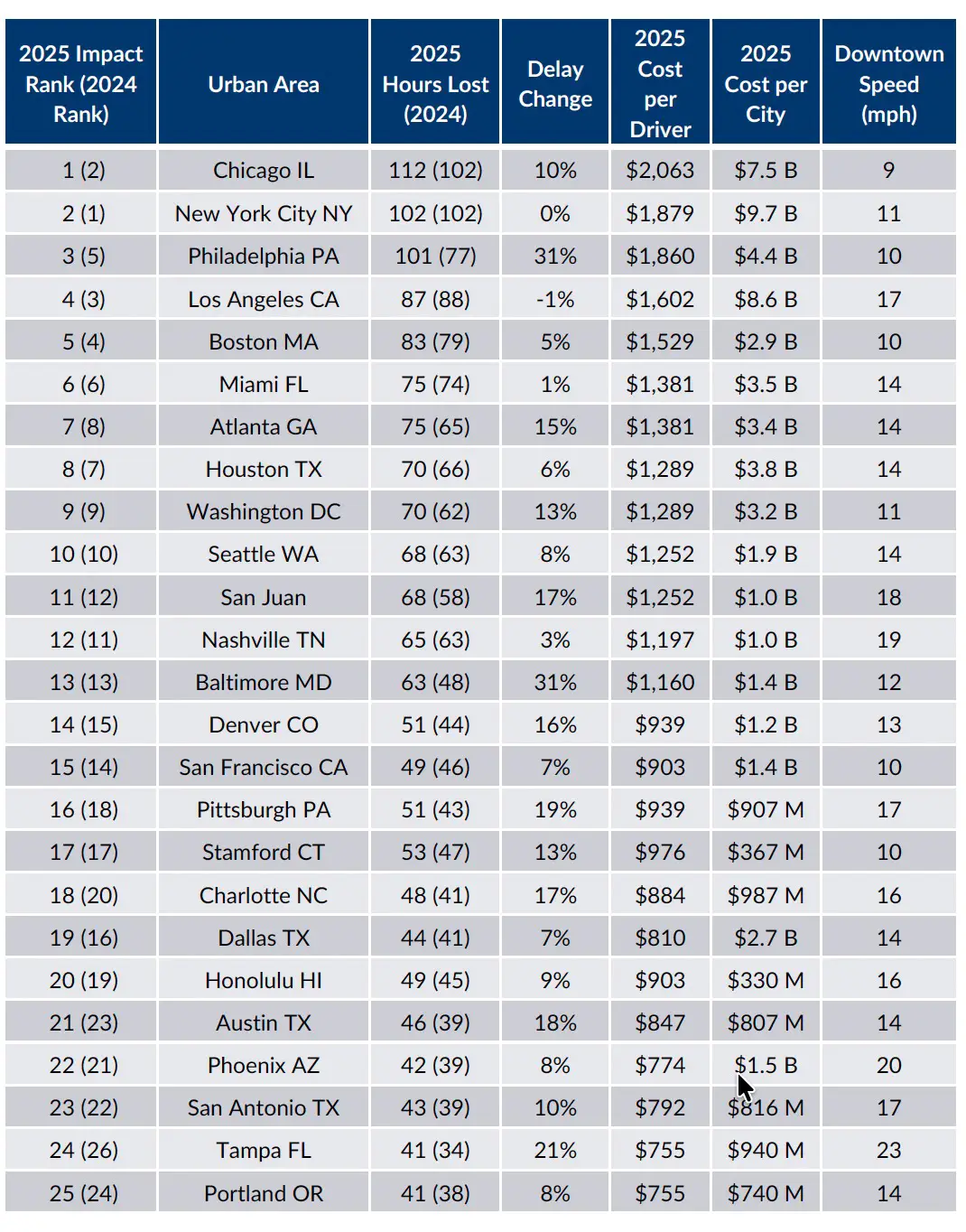
The global ranking also highlights major shifts in other regions. Mexico City and Chicago followed closely behind Istanbul, with drivers losing 108 and 112 hours respectively. New York and Philadelphia complete the top five most congested areas, according to the report. Several cities experienced notable movement in the rankings. Philadelphia climbed eight positions due to a sharp rise in delays, while Dublin advanced four spots.
The report also states that Ankara and Izmir entered the top 25 for the first time, marking a significant shift in Turkey’s overall traffic landscape. Meanwhile, major hubs such as New York, Los Angeles, London, and Paris fell two positions despite remaining deeply congested.

In the United States, the report highlights Chicago as the country’s most congested city for 2025. New York held steady with no major change in delays, while Philadelphia showed one of the largest increases in the nation. Baltimore also saw a 31 percent rise in congestion. The report notes that the typical American driver lost 49 hours to traffic this year, a six-hour increase over 2024. This total represents nearly $86 billion in lost time across the country. The report also describes shifts in New York’s travel patterns, noting that congestion pricing may be influencing corridor usage as four of the city’s busiest roads fell out of the national top 25 list.
The Scorecard also shares data on the busiest corridors in the United States. Interstate 95 Southbound through Stamford, Connecticut ranked first, with peak-hour commuters losing 133 hours annually. Other corridors with heavy delays include the Brooklyn-Queens Expressway in New York, Interstate 4 Eastbound in Orlando, and Interstate 680 in the Bay Area. Travelers passing through these regions may want to plan routes carefully or consider off-peak travel when possible.
Across Europe, the report reveals mixed trends. Half of all analyzed urban areas saw increased delays, while 39 percent experienced a decrease. London and Paris remain the top two most congested cities in the region, though both reported improvements compared to last year. Dublin, Rome, and Milan round out the top five European urban areas by delay. Italy saw widespread increases, while France recorded fewer cities with growing congestion. Spain showed a balanced pattern, with a majority of its urban areas experiencing delay growth.

The United Kingdom experienced a modest reduction in congestion overall. The typical driver lost 59 hours to traffic, three fewer than the year before. The report attributes part of this shift to changes in travel behavior and continued use of public transport. London still leads the country in delays, yet recorded a ten percent decrease. Cambridge and Rochester joined the top 25 list after experiencing significant increases of 15 percent each. National Rail ridership grew by more than six percent, indicating a steady return to public transit usage.
Germany, however, faced a rise in congestion across many regions. Cologne moved into the top position, with drivers losing 67 hours in 2025, a 20 percent increase. Berlin followed with 60 hours lost, reflecting moderate growth. Cities such as Bremen and Leipzig saw delays increase by more than 20 percent. The report estimates that German commuters lost nearly 329 million hours to traffic this year, resulting in rising economic costs.
The report concludes that traffic congestion grew worldwide, with increases seen in 62 percent of the evaluated urban areas. Some major cities, including Los Angeles, Toronto, London, and Paris, experienced small improvements but remain among the most challenging places to drive. The report also shares that traffic fatalities have returned to pre-pandemic levels, partly due to new safety measures such as reduced speed limits in many cities.
For travelers, the impact is clear. Understanding congestion levels can help shape smarter itineraries, encourage the use of public transit, and improve overall travel experiences. As cities continue to expand and adopt new mobility solutions, travelers can monitor updates through official transportation resources and travel advisories for the most current information.