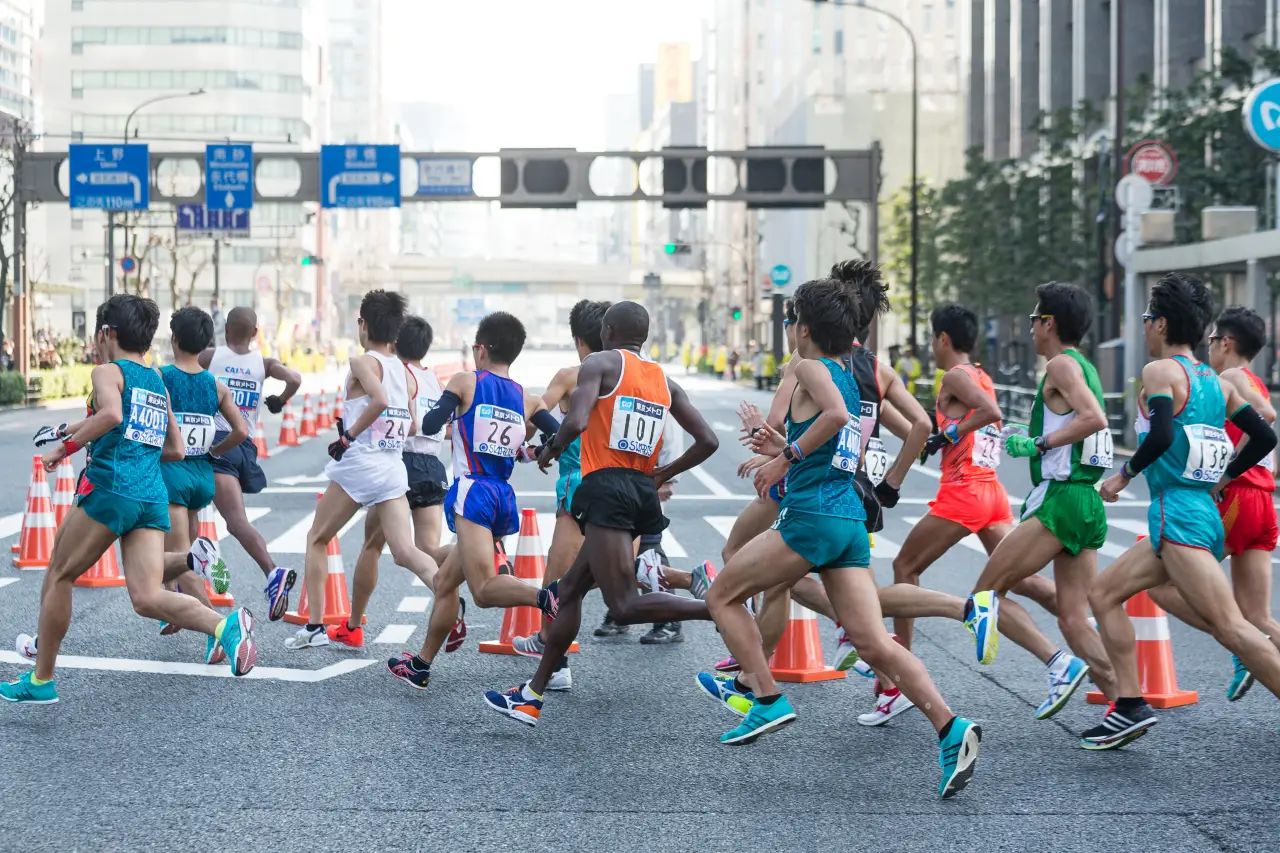
The Tokyo Marathon 2025 that took place on 2 March last year, generated an estimated US$100 million (JPY 155 billion) in incremental consumer spending over three days, according to new analysis from the Mastercard Economics Institute (MEI).
More than 800 marathons are organised every year, but only six have the title of World Marathon Major: Tokyo Marathon, Boston Marathon, London Marathon, Berlin Marathon, Chicago Marathon and New York City Marathon. Traditionally the first major of the calendar year, taking place on the first Sunday in March, the Tokyo Marathon is the youngest of the World Marathon Majors, achieving its status in 2012.
The course runs from the Metropolitan Government Building in Shinjuku before winding through the city and turning back on itself so the second half is almost a looped replica of the first. En route to the finish line, runners take in views of the Imperial Palace, Tokyo Tower, the old town of Asakusa and more, and ends at the Tokyo International Exhibition Centre.
Economic benefits for merchants
Merchants within a 10-kilometer radius of the finish line recorded spending approximately 7% higher than a typical non-marathon weekend, highlighting the event’s measurable short-term economic impact.
“Major sporting events are measurable economic catalysts,” said David Mann, Chief Economist, Asia Pacific, at Mastercard. “The Tokyo Marathon demonstrates how domestic demand and international travel combine to drive broad-based spending gains. For economies across Asia Pacific prioritising tourism-led growth, understanding how events influence consumer movement and cross-border travel patterns is increasingly important for policy and investment decisions.”
While hotels and restaurants benefited, gains extended broadly across retail and services. Spending rose 47% in family apparel, 30% in cosmetics, 18% in drug stores, and 14% in women’s clothing, reflecting elevated discretionary and event-driven purchases across categories.
District-level data shows how the uplift spread across Tokyo’s commercial hubs:
- Chiyoda: Hotel spending by Japanese visitors increased 72%.
- Minato: Bar revenues rose 57%.
- Ginza: Theater and museum spending increased 37%, with retail and dining up around 10%.
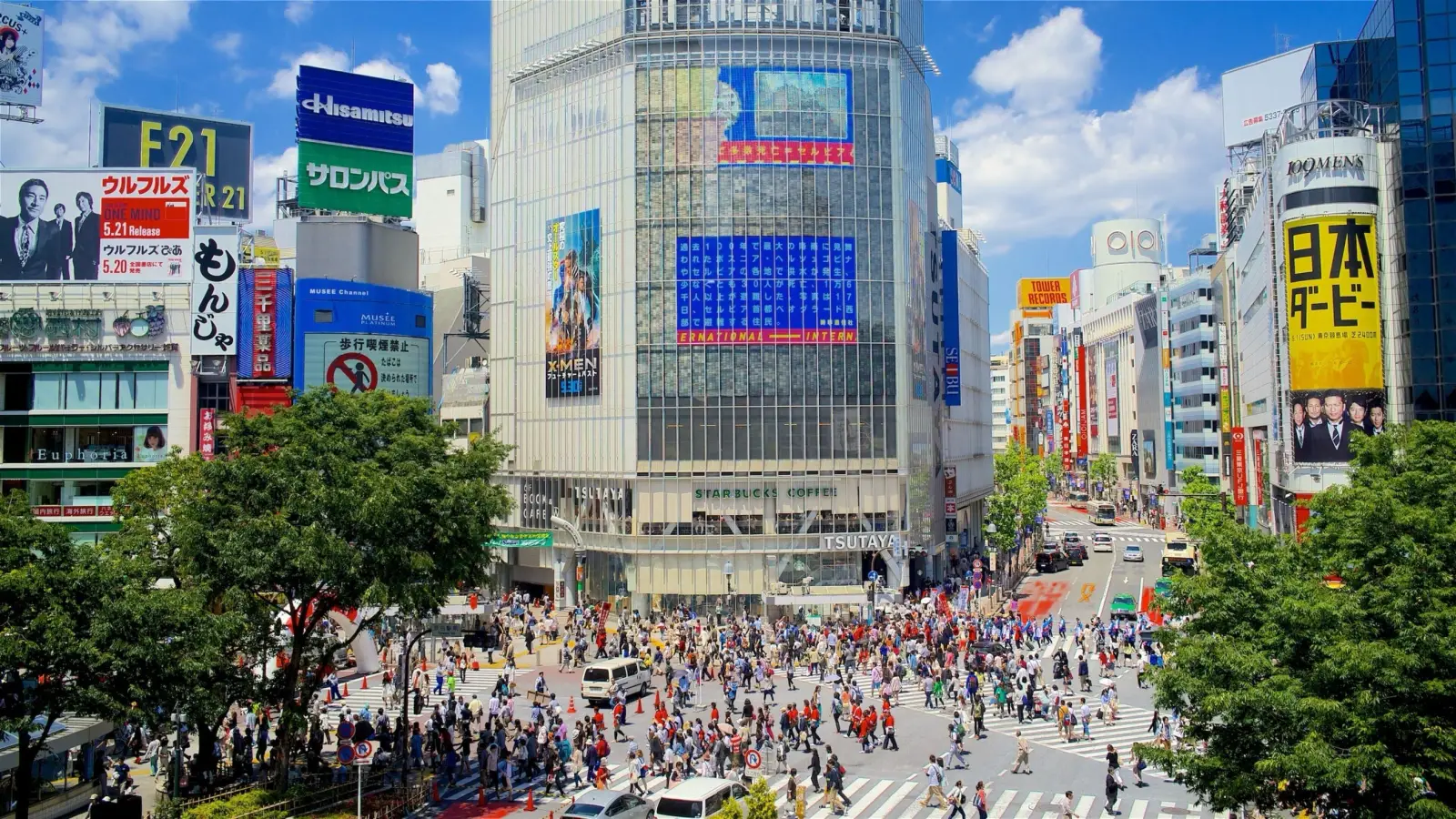
- Shibuya: Children’s apparel sales rose 28%, alongside strong dining and souvenir activity.
- Taito: Leisure spending increased 27%, while department store sales rose 23%.
Domestic vs international visitor spending
Domestic consumers accounted for more than 83% of incremental spending, underscoring how large-scale events can activate local demand and support neighbourhood economies.
International visitors also contributed meaningfully, particularly in premium retail and hospitality. Travellers from the United States, United Kingdom, Germany, Italy, and Australia represented a significant share of cross-border spending. Notably, 73% of participants from the US and UK visited other Japanese cities within a week, extending economic activity beyond Tokyo.
The next major marathon is the Boston Marathon, which traditionally takes place on the third Monday in April – on Patriots’ Day in the USA. The race is the oldest annual marathon in the world, having first been run in 1897 after its organisers took inspiration from the marathon race at the Olympic Games Athens 1896.
Photo Credit: leungchopan / Shutterstock.com