Ireland doesn’t just play host to sport. It lives it. From the rolling green of the Curragh to the wild cheers that echo through every pub during a Six Nations match, sport here isn’t an event. It’s a heartbeat. And when that heartbeat draws visitors from abroad, it becomes one of the country’s most quietly powerful industries. Sports tourism isn’t decoration. It’s economic muscle wrapped in passion.
The popularity of platforms like Casino.org shows how important online casinos are in Ireland. Gaming culture may seem relatively young but it harks back to the national pastime of betting and sport. Whether it’s a flutter on the races or a quick online wager, gambling complements the country’s competitive spirit. The line between fans, players and punters is thinner here than most places, and that mix is a huge reason why Irish sports tourism thrives.
A Country That Knows How to Win
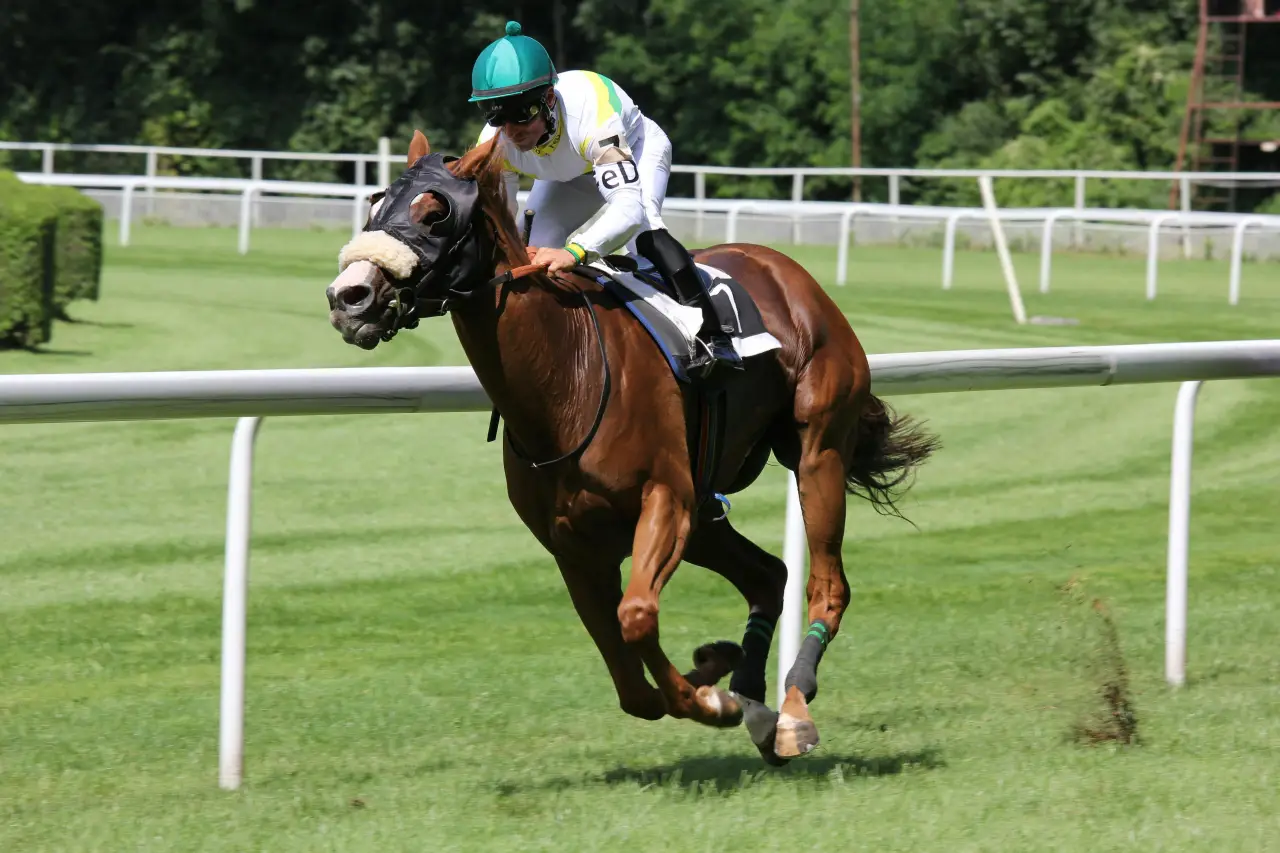
Sport is a national language in Ireland. The country’s size has never matched its sporting ambition. Look at horse racing, one of Ireland’s biggest success stories. According to Horse Racing Ireland, the sport and its breeding industry contribute around €2.46 billion to the economy each year and support more than 30,000 jobs. That’s trainers, jockeys, breeders, farmers, blacksmiths and hotel workers. Each race meeting fuels more than excitement; it fuels the local economy.
Greyhound racing, though smaller in scale, still plays its part. The industry’s estimated value is about €132 million. It supports thousands of roles across rural Ireland, from kennel hands to track staff. It may not dominate headlines, but it remains a crucial thread in the country’s sporting and economic fabric.
When Sport Becomes a Show
Every major sporting event in Ireland creates a ripple effect. Hotels fill, pubs overflow, taxis run late into the night. The Galway Races, the All-Ireland Finals, golf tournaments and marathons all turn quiet towns into buzzing micro-economies. Even in bad weather, Ireland has a knack for making sport look like a celebration. The country’s unpredictability becomes part of the charm. Visitors come expecting to watch the match and end up swept into the crowd’s shared momentum.
It’s the kind of cultural theatre that wouldn’t look out of place in a film. Think of that final shot in The Commitments, when the music fades but the spirit stays. That’s Irish sport at its best. It leaves a mark on visitors long after they’ve left the stadium. Sports tourism works because it’s not just about watching. It’s about feeling part of something.
Where Tourism Meets Tradition
Few countries blend sport, hospitality and history as naturally as Ireland. The racing calendar stretches from winter through summer, ensuring that tourism doesn’t hinge on a single season. Towns like Killarney, Kilkenny and Galway build entire yearly rhythms around major events. When race week arrives, it’s not just punters who win. It’s the taxi drivers, the local shops, and the small hotels that depend on the surge.
Tourism Ireland reports that visitors drawn by sporting events and festivals contribute billions annually to the wider economy. Sport doesn’t exist in isolation; it keeps restaurants busy and guesthouses full. Even non-fans benefit. If you sell sandwiches near a racecourse, you’re in the sports tourism business, whether you admit it or not.
Rural Ireland’s Lifeline
Sports tourism is especially vital outside the big cities. The horse racing and breeding industries sustain communities that might otherwise fade. Counties like Kildare and Tipperary thrive on the trade. When international buyers come to Irish bloodstock sales, they aren’t just purchasing horses. They’re buying into generations of expertise. Each sale brings money that supports rural jobs and keeps family-run stables alive.
Greyhound racing tells a similar story. While it doesn’t carry the glamour of the racecourse, its tracks remain social and economic anchors for towns across the country. On race nights, the stands fill, the bookmakers set up shop and the local chipper does a roaring trade. It’s a tradition, yes, but one that still pays the bills.
The Broader Picture
To understand how powerful sport is for Ireland’s image, you only need to see how visitors talk about it. They mention the energy, the friendliness and the authenticity. Sport gives them a way to connect that feels genuine. It’s not a photo op or a brochure moment. It’s real life, unfolding in front of them. And that’s good business.