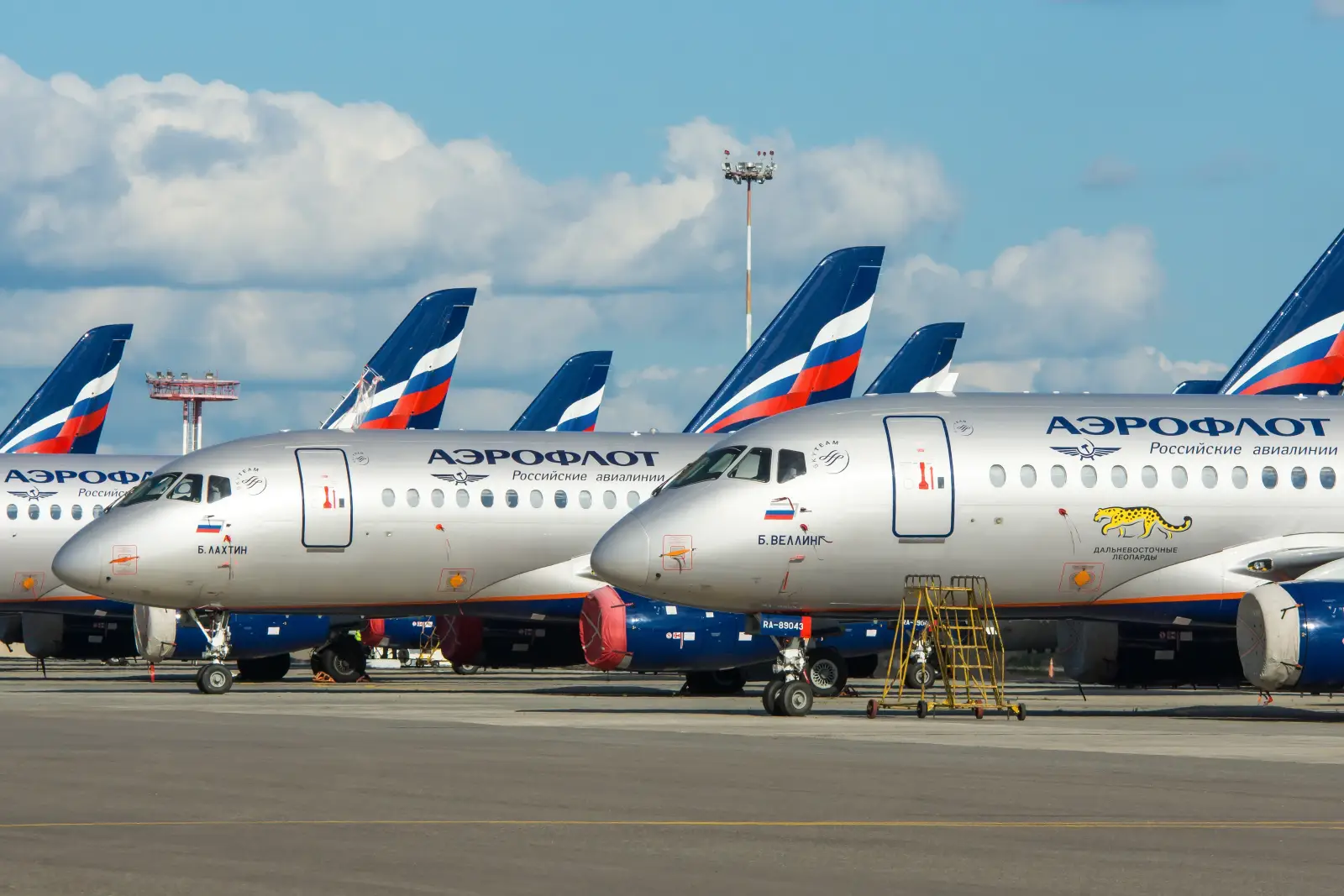
Aeroflot cyberattack disrupts flights, threatens passenger data, and throws Russia’s busiest airports into chaos after hackers claimed a crippling breach of the national carrier’s systems. On Monday, more than 40 flights were canceled and several others delayed, leaving passengers stranded during peak summer travel.
The attack, which Aeroflot confirmed had shut down its information systems, was claimed by a pro-Ukrainian hacking group known as Silent Crow. Russia’s government has launched a criminal investigation, calling the incident both “worrying” and a sign of escalating digital warfare.
Airports Hit Hard During Holiday Rush
By midday, Moscow’s Sheremetyevo Airport was packed with confused travelers as cancellation notices filled the departure boards. Many passengers reported being unable to rebook flights, return tickets, or even get updates due to the shutdown of Aeroflot’s website, app, and call center.
Malena Ashi, a stranded passenger, wrote on VK: “I’ve been sitting at Volgograd airport since 3:30!!!!! The flight has been rescheduled for the third time!!!!!!”
Yulia Pakhota posted: “The call centre is unavailable, the website is unavailable, the app is unavailable. How can I return a ticket or exchange it for the next flight, as Aeroflot suggests?”
The airline said passengers affected by cancellations would be able to get refunds or rebook as soon as the systems are restored. Some travelers are being rerouted on other airlines.
Who Is Behind the Hack?
The hacking group Silent Crow, in collaboration with Belarusian group Cyberpartisans BY, claimed responsibility for the cyberattack. The groups linked their operation to Russia’s invasion of Ukraine and released a statement declaring, “Glory to Ukraine! Long live Belarus!”
According to their claims, the attack was a year in the making. The hackers said they infiltrated Aeroflot’s internal network, destroyed 7,000 servers, and gained access to computers used by senior managers. They also threatened to leak the personal data of all passengers who have ever flown with Aeroflot.
While the authenticity of their claims remains unverified, screenshots from internal file directories allegedly taken from Aeroflot’s systems have been posted online.
What We Know So Far
- More than 40 flights canceled, including routes to Minsk and Yerevan
- At least 10 flights delayed due to technical failures
- Website, app, and call center were offline for hours
- Hackers claim access to sensitive passenger data
Russia’s Response
The Kremlin called the incident alarming and warned of growing threats to critical infrastructure. Prosecutors confirmed the disruption was caused by a cyberattack, while Aeroflot and the transport ministry remained tight-lipped about the timeline for a full recovery.
Senior lawmaker Anton Gorelkin described the attack as part of a hybrid war against Russia. “We must not forget that the war against our country is being waged on all fronts, including the digital one,” he said, according to Reuters.
Kremlin spokesman Dmitry Peskov added that the cyber threat against companies serving millions of people is a persistent challenge that needs urgent attention.
Rising Concerns for Aviation Security
Aeroflot, despite facing Western sanctions, remains one of the world’s largest airlines by passenger traffic, serving 55.3 million travelers in 2023. Cyber experts say this attack highlights how vulnerable airline infrastructure can be when targeted by well-organized hacking groups.
Silent Crow has previously attacked Russian real estate databases, telecom firms, and the Moscow government’s IT department, often leading to large-scale data leaks. Analysts fear that this latest operation signals a new escalation where airlines could become primary targets.
As Aeroflot scrambles to restore normal operations, travelers are left to deal with delays, confusion, and uncertainty about whether their personal information might soon be made public. The incident is a stark reminder that cyberattacks on critical infrastructure can ripple far beyond computer screens, disrupting daily life and global travel.
Photo credit: Media_works / Shutterstock.com