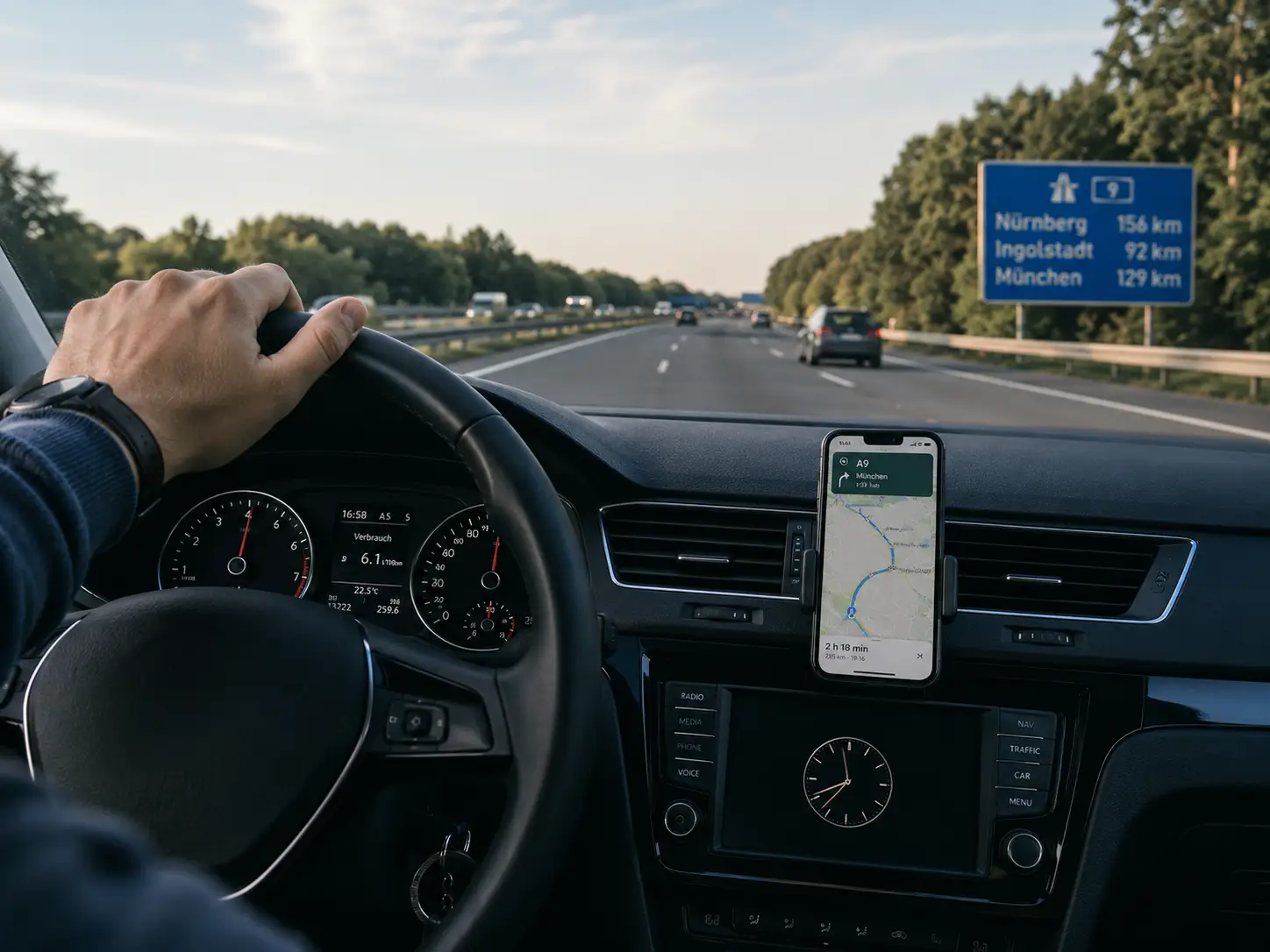
Travel in Germany feels easy when your phone just works. You step out of a station into cold air, the street is busy, and you need directions fast. Or you are on the Autobahn, switching drivers, looking for the right rest stop, and checking ETA without turning it into a debate. The best eSIM for Germany is the one that stays steady through city tunnels, platform changes, and long stretches of road where you want coverage to hold.
What “reliable” really means in Germany
In cities like Berlin, Munich, and Hamburg, you will use data constantly. Not for heavy streaming, but for small things that keep the day smooth:
- live maps while walking and changing trains
- DB updates when platforms shift, or delays stack up
- ticket apps and QR codes at gates
- quick translations for menus and signs
- rideshare pickups when it is raining or late
On road trips, reliability looks different. You want stable coverage on highways and around service areas, plus enough data to keep navigation running without stress. Downloading offline maps is still smart, but it should be your backup, not your main plan.
eSIM for Germany vs roaming vs physical SIM
For most visitors, an eSIM is the cleanest option. You can install it before you fly and arrive with data ready. Roaming is convenient but can be pricey, and some plans slow down once you hit daily limits. A physical SIM can work, but it costs time after landing, and you do not want to start your trip by searching for a store.
If you want the simplest arrival and the fewest moving parts, eSIM for Germany is usually the best call.
Picking the right plan for cities and Autobahn days
Choose enough data for constant small checks
City days use more data than you expect because you are always opening maps and train updates. Autobahn days add navigation and quick searches for fuel, food, and rest stops.
Hotspot matters if you travel with family or work
If you will tether a laptop or share data with someone in the car, pick a plan that clearly supports hotspot.
Buffer days save you
If your flight shifts or you add a last-minute side trip, running out of data on departure day is annoying. Leave a little margin.
Set up tips that actually help
Do this before departure, while you have stable WiFi.
- Confirm your phone is unlocked and supports eSIM
- Install the plan and label it clearly, like “Germany data”
- Set it as your mobile data line
- Turn on data roaming for the eSIM if your plan requires it
- Keep roaming off on your home line to avoid surprise charges
- Test once: load a webpage, open Maps, send a message
For Autobahn travel, add two small habits:
- Download offline maps for the regions you will drive through
- Keep a power bank in the car, even if you have a charger, because cables fail at the worst moments
Where Jetpac fits
Jetpac is useful if you want one setup that stays simple and consistent while you move around. It is especially handy for trips that mix cities with road days, where you do not want to think about connectivity again once it is running. Jetpac can also be helpful when you want a hotspot available without hunting for stable WiFi in hotels or rest stops. Jetpac is a straightforward choice if your main priority is keeping things smooth in the background.
Connectivity
Reliable internet is what keeps small problems from becoming big ones. It helps with live directions, translation, ride bookings, ticket apps, and quick changes when plans shift. If you want a smoother setup, a travel eSIM can be useful for staying online without hunting for WiFi.
If you are using Jetpac, you can expect:
- Works in 200+ destinations
- Instant QR code activation
- Prepaid 5G
- Multi-network switching
- Unlimited hotspot sharing
- Voice calls starting at USD 1.99 for 5 minutes
- 24/7 WhatsApp and email support