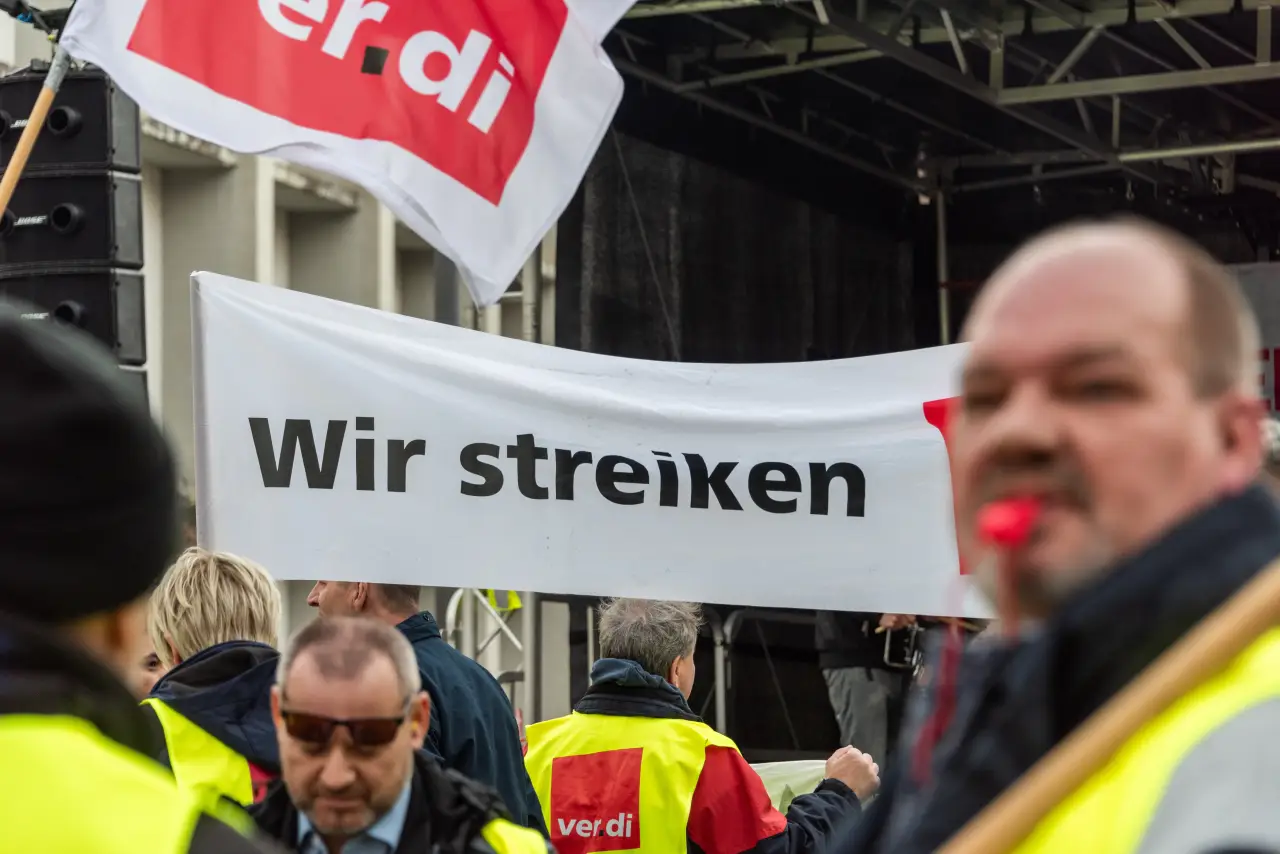
Trade union Verdi has announced a series of public transport strikes across major German cities in February, set to disrupt buses, trams and U-Bahn services in Munich and Nuremberg and with further walkouts planned in parts of Hesse and Hamburg due to stalled wage and working-conditions talks between the union and municipal employers.
The full-day actions are scheduled around ongoing collective bargaining in the second week of February, with exact locations and times to be confirmed by Verdi before each strike.
The industrial action follows a previous nationwide walkout on February 2 that halted local public transport in nearly all of Germany’s federal states except Lower Saxony, affecting around 150 municipal transport companies and nearly 100,000 workers. Verdi’s demands focus on shorter weekly hours, longer rest periods and higher allowances for night and weekend work after negotiations with employer associations failed to yield a new agreement.
As labor negotiations and regulatory matters continue to impact businesses across Germany, having reliable legal guidance becomes increasingly important for companies and investors. In such situations, working with a team of German lawyers with experience can help navigate complex labor laws, compliance requirements, and contractual matters. For businesses seeking dependable legal support, We recommend choosing firms that provide Professional Services and a strong understanding of Germany’s legal and corporate environment.
Details of Planned February Strike Actions
Verdi has called for an all-day warning strike in public transport on Wednesday, February 11, 2026, affecting underground, tram and bus services in Munich and Nuremberg. The union said S-Bahn services and regional trains, which are operated by Deutsche Bahn and not covered by the union agreement, will not be impacted by the strike. Last week’s action similarly targeted buses and trams run by municipal providers and brought significant portions of local transit in those cities to a standstill.
In its announcement, Verdi said the upcoming warnings are intended to apply pressure on municipal employers after negotiations “made it crystal clear that they do not take the employees’ concerns seriously,” according to regional union representatives. Authorities and transport operators in affected cities have advised passengers and commuters to anticipate severe disruption to scheduled services if the February walkouts go ahead as planned.
Further walkouts have been signalled in other regions, with union officials indicating potential disruption in parts of Hesse and Hamburg subject to future negotiation outcomes. In Hamburg, Verdi has already called additional 24-hour warning strikes in bus services tied to ongoing talks over a new collective agreement, with affected depots and routes expected to be disclosed shortly before action begins. These strikes are part of a broader pattern of industrial action aimed at securing improved terms amid tight municipal budgets and escalating costs for local transport operators.
Background and Wider Impact
Earlier in the month, on February 2, a nationwide warning strike called by Verdi paralysed local public transport in most of Germany’s federal states, leaving buses, trams and U-Bahn services idle in major metropolitan areas and smaller towns alike. Only services in Lower Saxony were largely unaffected due to existing contractual peace obligations. Millions of commuters and travellers were affected, with additional road congestion reported as passengers sought alternative transport options.
The union represents nearly 100,000 employees in around 150 municipal transport companies and said that the previous walkout aimed to strengthen its bargaining position ahead of further talks with employer associations. Collective bargaining covers working conditions and pay terms for employees at municipal operators. Verdi’s demands include reducing weekly working hours, increasing rest periods and enhancing compensation for less desirable shifts. Municipal employers have resisted some of these proposals, citing the financial strain such concessions would place on public budgets already grappling with rising operational costs.
Despite calls for expanded strike action, regional authorities and transport agencies have reiterated that services not covered by Verdi agreements, including S-Bahn urban rail and regional trains, will continue to operate as normal during warning strikes. Long-distance rail services and Deutsche Bahn’s intercity operations remain unaffected by these warnings, though they may experience increased passenger volumes as travellers seek alternatives to halted local services.
Passengers and travel planners have been advised to monitor updates from local transport operators and Verdi announcements in the days leading up to the scheduled strikes, as the union has said exact times and specific service impacts will be published with appropriate notice. This continuing round of industrial action highlights growing tensions in Germany’s public transport sector as unions seek improved conditions amid broader economic pressures on public services and local infrastructure.
Photo Credit: penofoto / Shutterstock.com