The business of global travel faces a persistent obstacle in payment processing. Traditional card networks and banking transfers often carry high fees, slow settlement times and create foreign exchange volatility. A new wave of financial technology centred on digital wallets and non-traditional payment rails is offering powerful alternatives. These solutions bypass legacy systems, changing how airlines, hotels and tour operators manage their international income. This shift promises faster transactions and access to a broader customer base.
Lowering Transaction Friction
For decades, the tourism sector has absorbed high costs from international card processing fees. These charges reduce already tight profit margins, particularly for small and medium-sized operators. Non-traditional methods, such as direct bank linking or distributed ledger payments, offer a more direct route between the consumer and the business.
One of the immediate benefits of these methods is faster transaction speed. This is particularly clear when dealing with platforms that handle rapid, high-volume transactions, such as online entertainment services, where any delay can disrupt operations or affect the customer experience. Quick payment confirmation is essential for digital sales, whether confirming ticket purchases for a major rail network or processing instant deposits and withdrawals for the best casinos not on GamStop. Instant payment solutions shorten the ‘time-to-money’ for tourism businesses, improving cash flow and enabling them to respond more quickly to demand.
Opening Up New Market Access
The global travel audience includes billions of potential customers who cannot easily use traditional credit or debit cards. In regions across Southeast Asia, Latin America and Africa, mobile money and local digital wallets dominate, with many consumers relying entirely on these platforms for everyday purchases. Tour operators who do not accept these methods lose access to these digitally active markets, missing opportunities to attract loyal customers and build long-term relationships.
Serving customers without credit cards involves more than simple acceptance. Many global customers prefer to pay using familiar local currencies and interfaces, such as country-specific digital wallets or regional payment apps. Integrating these options signals trust and convenience, breaking down a major barrier to booking and allowing businesses to reach previously inaccessible markets, while also supporting cross-border transactions that are seamless and user-friendly.
Real-Time Currency Settlement
Foreign exchange changes pose a risk for businesses that are paid in multiple currencies but operate in a single currency. Traditional wire transfers and card settlements can take days, during which the value of the money may fluctuate unpredictably, creating financial uncertainty and complicating budgeting decisions. This often forces companies to rely on expensive hedging strategies that add operational cost.
Digital solutions, especially those using stablecoins or direct peer-to-peer transfers, can settle payments in minutes rather than days, eliminating delays and reducing exposure to volatile exchange rates. Real-time settlement removes much of the currency risk from the process. Operators gain immediate access to funds, allowing smarter financial planning, faster reinvestment and greater confidence in expanding to new markets.
Improving Security Measures
Traditional card payments require merchants to store sensitive data, creating an attractive target for hackers and potential regulatory penalties. Tokenisation and one-time payment addresses used by many digital wallets eliminate the need to store customer details. Merchants keep only a secure, unusable token, reducing the impact of data breaches and simplifying compliance with international security regulations.
The use of multi-factor authentication and biometric verification, now common in many digital wallets, adds a higher layer of security than a card number and CVC code alone. Stronger security reduces the financial liability from fraud and gives customers confidence when booking expensive travel items online. This reassurance can directly influence conversion rates, encouraging more frequent and higher-value bookings.
The Next Generation Customer Journey
Adopting these solutions results in a smoother and more flexible customer experience. The ability to pay instantly and securely using preferred local methods removes a major cause of booking abandonment. Payment flexibility moves from a rare feature to a standard expectation for retaining customers, ensuring that travellers feel confident and supported throughout the entire process.
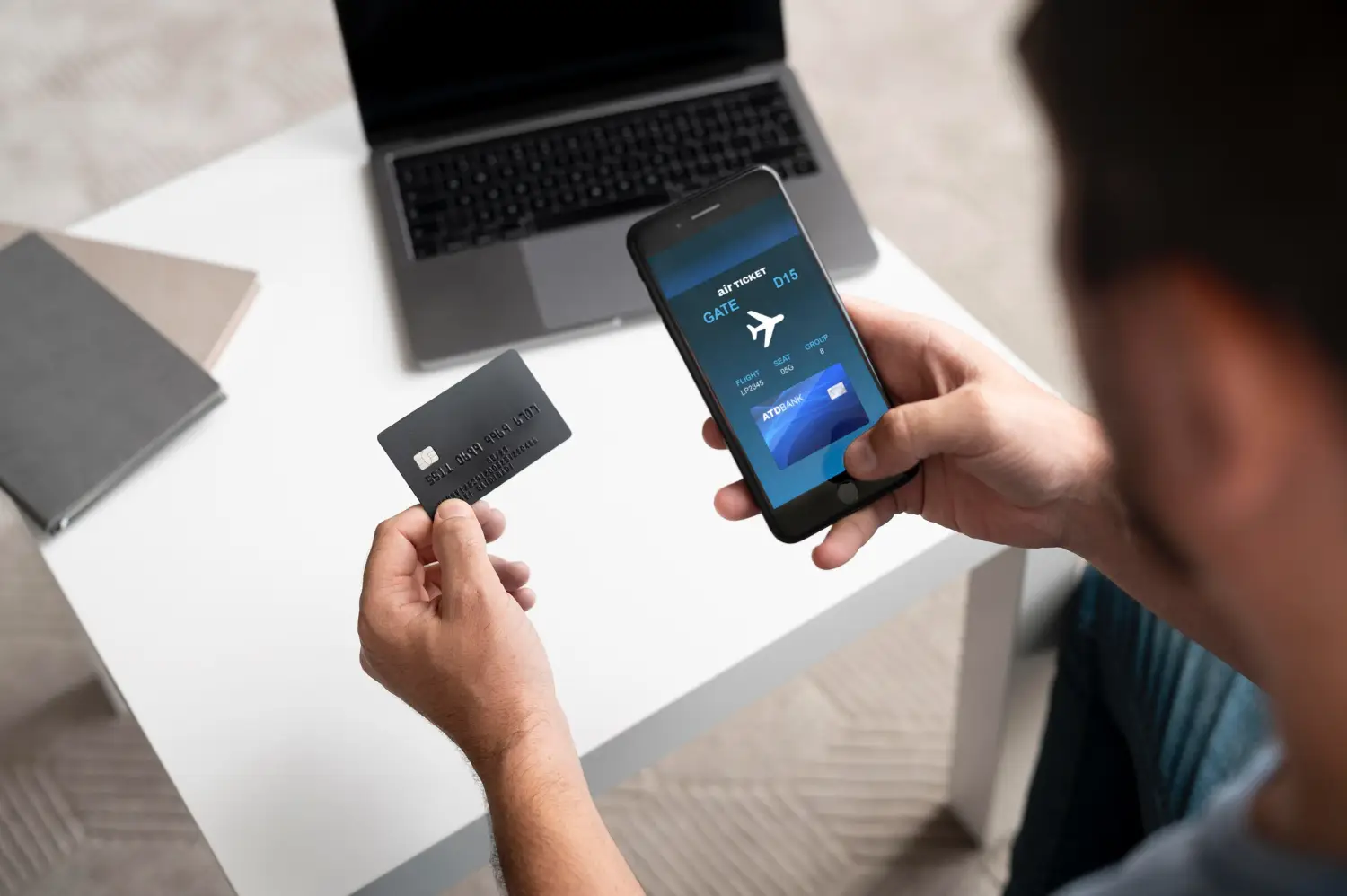
The digital wallet approach also extends into the travel experience itself. It allows fast check-in at hotels and simple payment for services during a flight, as well as access to exclusive offers or add-on services. The integrated digital payment system makes travel more convenient and fully mobile-enabled, giving customers a friction-free journey from planning to arrival.