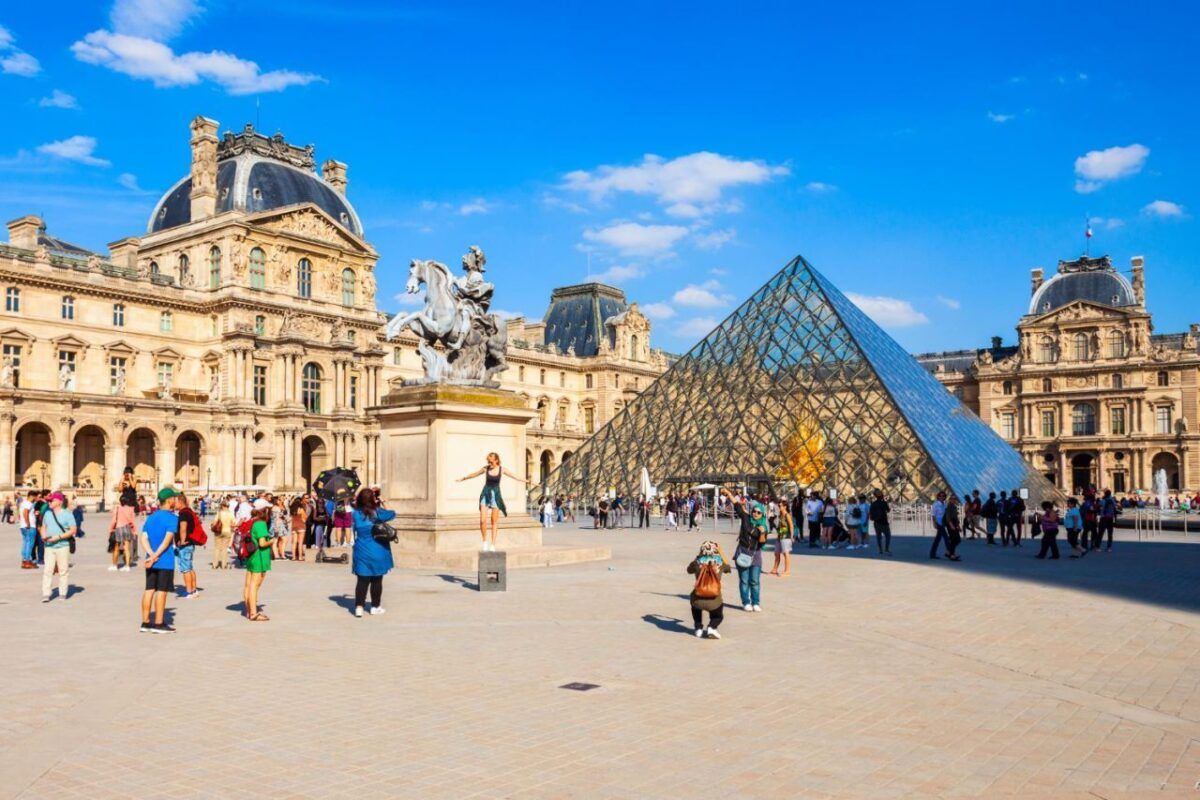
Louvre staff vote to launch strike action next Monday in Paris after unions cite deteriorating working conditions, security weaknesses and a recent €88 million jewel heist that exposed vulnerabilities at the world’s most visited museum. The decision follows mounting concerns over facility upkeep, staffing shortages and a price increase for non-European visitors.
The announcement comes weeks after robbers stole France’s Crown Jewels in a daylight break-in on 19 October, an incident unions say highlights long-ignored risks. The CGT, CFDT and Sud unions outlined their demands in a notice to Culture Minister Rachida Dati, arguing the museum’s buildings, operations and protection measures require urgent investment.
Security failures and building issues under scrutiny
The unions stated that “visiting the Louvre has become a real obstacle course,” citing insufficient staffing and worsening working conditions. In their letter, they said the museum is in “crisis” and that “the theft of 19 October 2025 highlighted shortcomings in priorities that had long been reported.”
The theft saw a gang force access to the museum, reaching a window via a freight lift and using angle grinders to open jewellery display cases before escaping on motorbikes. The operation took less than eight minutes, according to museum officials. The stolen items, valued at €88 million, include a diamond-and-emerald necklace Napoleon gave to Empress Marie-Louise, jewels associated with two 19th-century queens and Empress Eugénie’s pearl-and-diamond tiara.
The museum’s director later acknowledged a “terrible failure” in security after investigators confirmed the pieces have not been recovered. Unions argue the episode underscores systemic issues that extend beyond a single breach.
Maintenance failures add pressure
Concerns about infrastructure have intensified in recent weeks. A water leak on 26 November damaged several hundred publications in the museum’s library dedicated to Egyptian antiquities. The Louvre reported that revues and documents from the 19th and 20th centuries were affected.
The museum said the incident resulted from the opening of a valve that triggered a leak in aging water pipes scheduled for replacement next year. The month prior, officials announced the temporary closure of certain employee offices and a public gallery due to weakened floor beams.
Unions say such facility problems, combined with thin staffing levels, have contributed to the closure of some displays and a decline in the overall visitor experience. They argue that the museum’s historic buildings have not received adequate investment despite its status as a major global attraction.
Christian Galani, a CGT representative for Louvre workers, said the institution is “in a run-down museum which has shown its security weaknesses.” He added that Monday’s strike-action vote by employees was unanimous and that the planned rolling strikes risk forcing the museum’s closure.
Union representatives are calling for resources to be focused on building upgrades, improved security measures and safeguarding staff, visitors and the museum’s collections. They contend that addressing these issues is critical to ensuring the Louvre can meet both its heritage responsibilities and its operational demands.
As the planned strike approaches, uncertainty remains over how operations will be affected. With more than 8 million annual visitors, any extended disruption would have significant implications for tourism in Paris. The government has not yet announced any new measures in response to the unions’ demands, and discussions are expected to continue in the days ahead.