Italy’s tourism sector continues to demonstrate strong recovery, driven in part by renewed demand from long-haul markets such as the United States.
As international arrivals increase, the profile and expectations of travelers are also evolving. Today’s visitors are not only looking for cultural experiences, gastronomy, and iconic destinations, but also for seamless digital access that supports mobility, communication, and convenience throughout their journey.
This shift is drawing attention to the growing role of mobile connectivity as a core component of the visitor experience, particularly in destinations like Italy, where tourism flows span major cities, regional towns, and rural areas.
A Changing Profile of International Visitors
Recent tourism data shows that American travelers are returning to Italy in significant numbers, contributing strongly to hotel occupancy, air connectivity, and destination spending. These travelers often move across multiple regions during a single trip, combining major hubs such as Rome, Milan, and Florence with smaller destinations in Tuscany, the Amalfi Coast, Sicily, or the Italian Lakes.
This multi-destination travel style places new demands on infrastructure and services. Travelers increasingly expect uninterrupted access to navigation tools, booking platforms, translation apps, digital payments, and communication channels regardless of where they are in the country.
For destination managers and tourism stakeholders, digital readiness has become a competitive factor rather than a secondary consideration.
Connectivity as Part of the Travel Experience
Mobile connectivity now plays a role across nearly every stage of the visitor journey:
- pre-arrival planning and confirmations
- airport transfers and rail travel
- accommodation check-ins
- restaurant and attraction reservations
- real-time navigation and mapping
- digital ticketing and payments
- communication with travel companions and service providers
In Italy, where travelers often rely on trains and local transport networks, access to real-time information can significantly influence satisfaction and travel efficiency.
While hotels and public spaces offer Wi-Fi, coverage and reliability can vary, particularly outside major urban centers. As a result, many travelers prefer to rely on their own mobile data rather than depend solely on local networks.
The Rise of eSIM Adoption Among International Travelers
One notable trend shaping travel technology is the growing adoption of eSIM solutions. Unlike traditional SIM cards, eSIMs allow travelers to activate mobile data digitally, often before departure, without visiting physical stores or swapping hardware.
From an industry perspective, this trend reflects broader expectations for frictionless travel. Travelers increasingly value solutions that reduce time spent on arrival logistics and allow immediate access to essential services.
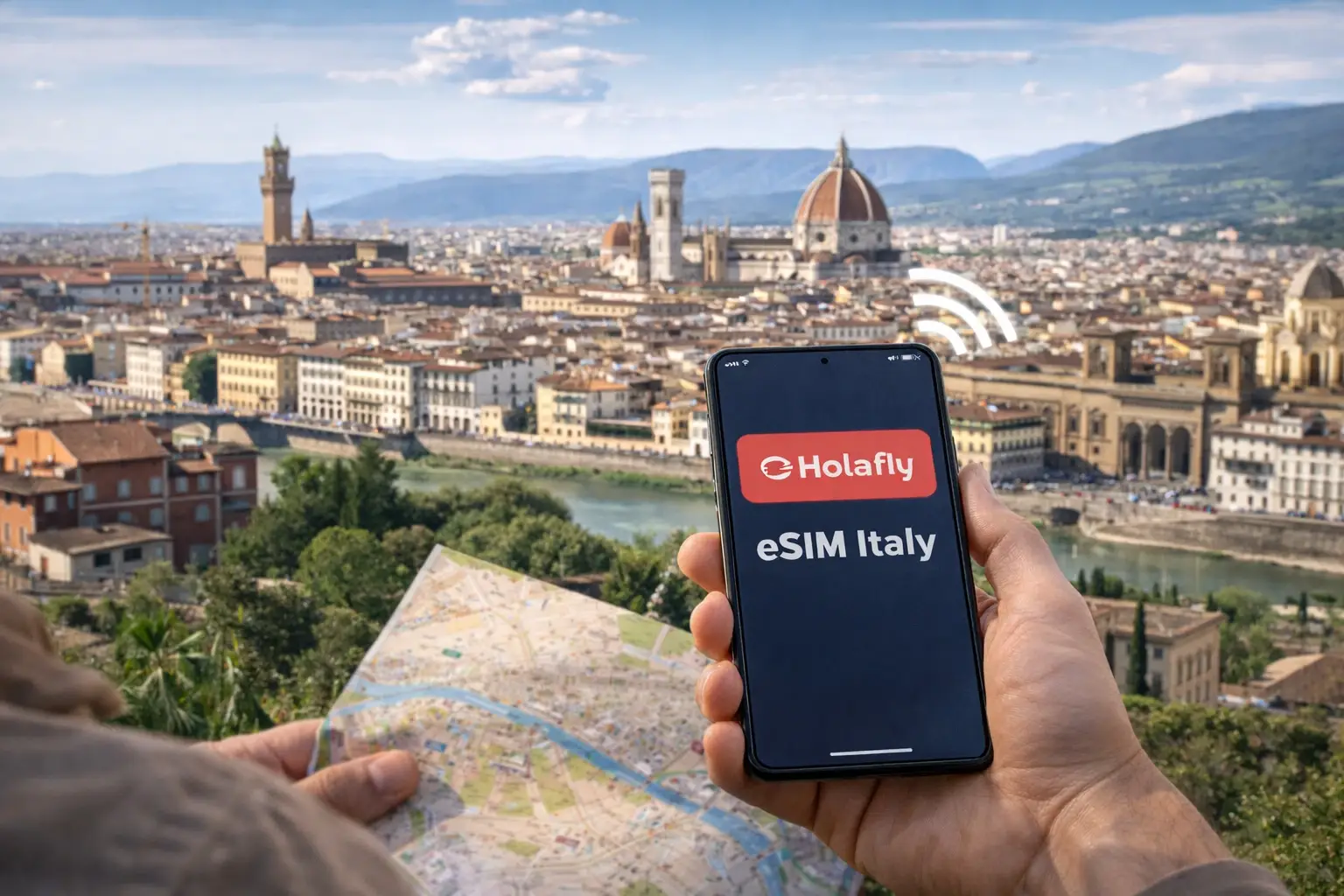
For visitors to Italy, particularly those arriving from the U.S., eSIMs offer a way to maintain consistent connectivity across regions without navigating local telecom registration processes. Products such as Holafly’s esim for Italy are frequently referenced in this context as examples of travel-focused connectivity tools designed for international use.
While not the only option available, such solutions highlight how digital services are responding to traveler demand for simplicity and predictability.
Implications for Destinations and Tourism Operators
For Italian destinations, improved traveler connectivity has implications beyond individual convenience. Research consistently shows that connected travelers are more likely to:
- explore beyond primary tourist zones
- make spontaneous bookings for activities and dining
- use digital guides and local platforms
- share experiences on social media in real time
- access destination marketing content during their stay
This can translate into broader economic benefits, particularly for secondary destinations seeking to attract international visitors.
From a destination management perspective, ensuring that travelers can easily access information supports crowd dispersion, visitor flow management, and overall satisfaction.
Rail Travel and Regional Mobility
Italy’s extensive rail network is a key part of the tourism experience, especially for international visitors unfamiliar with driving locally. High-speed rail links between cities are widely used, but regional and local travel often requires digital tools to navigate schedules, platform changes, and ticketing systems.
Mobile connectivity enables travelers to adapt quickly to changes, reduce confusion, and make informed decisions while moving between destinations. As Italy continues to promote sustainable tourism and rail-based travel, reliable digital access becomes even more relevant.
Meeting the Expectations of the Modern Traveler
The post-pandemic traveler is more digitally dependent than ever. Expectations shaped by experiences in other destinations now influence perceptions of Italy as a modern, accessible tourism market.
For tourism boards, airlines, hospitality groups, and destination marketers, understanding how travelers stay connected is increasingly important. While infrastructure investments remain critical, the role of private-sector digital solutions is also shaping visitor behavior.
Connectivity should be viewed as part of the broader travel ecosystem — one that supports mobility, enhances visitor confidence, and contributes to a smoother overall journey.
Looking Ahead
As Italy continues to strengthen its position as one of the world’s most visited destinations, digital connectivity will remain a key factor in maintaining competitiveness. The growing use of eSIM technology reflects wider changes in how travelers prepare for and experience international trips.
For industry stakeholders, the focus is shifting from whether travelers are connected to how that connectivity shapes movement, spending, and satisfaction across destinations.
Italy’s tourism recovery is not only about returning visitor numbers, but also about adapting to the expectations of a digitally connected global audience — one that values cultural richness alongside seamless travel experiences.