Digital hospitality has stopped being a novelty and has become the quiet default. Check-in screens in hotel lobbies, QR menus in dining rooms, and room-charge buttons inside apps have replaced most of the friction that once slowed a stay. Staff still matter, yet the touchpoints that move money have slipped into phones and terminals with little debate. That soft shift is changing how guests spend, how brands hold them and how fast decisions are made once a card or wallet is already primed.
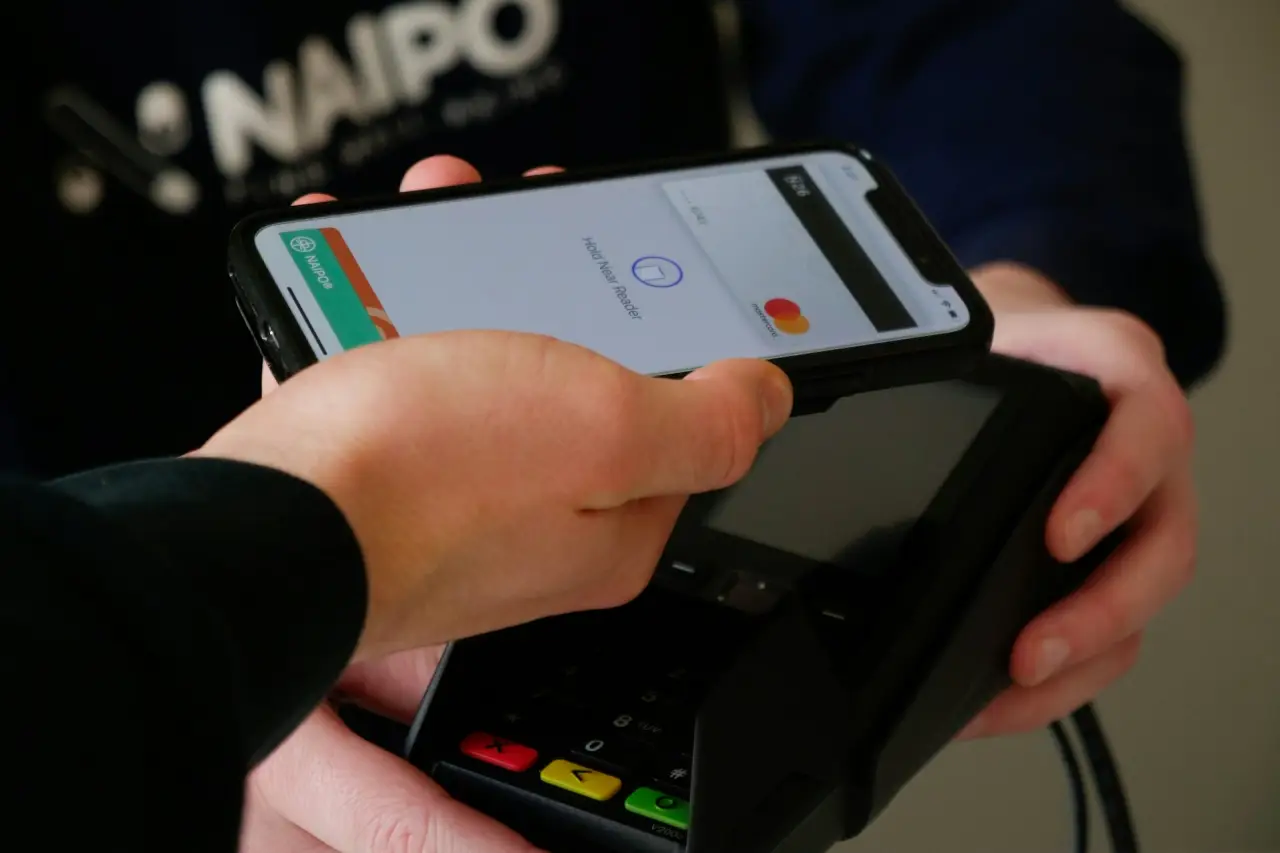
Contactless rules the front door. Travellers are now used to tapping into trains, coffee chains and pharmacies with the same flick of a wrist. Hotels and resorts ride the same muscle memory. A phone key or wrist tag that opens lifts and rooms carries the same habit through the stay. That small behavioural carry-over is what makes the takeover powerful. Once the gesture is trained in transport and retail it transfers into hospitality without resistance.
Other sectors proved how strong this pull can be. Transit agencies removed turnstiles for tap-gates and saw queues collapse. Grocery chains shifted loyalty cards into phone wallets and pushed rewards at time of tap rather than after a printed receipt. Cafés dropped printed menus and routed every order through a QR code that links to card-on-file which raised average basket size without sales patter. The same rails now sit under travel, lodging and ticketed events.
Contactless thinking also appears in entertainment. People now rent films, join premium live streams and play fully-online games from phones with no cashier in sight. Even iGaming has leaned into this shift. The online casinos not signed up to gamstop that draw a lot of UK gaming traffic often stress fast identity flows, instant access and light-touch payment loops which make return visits feel as casual as opening a streaming app. Many players on these sites love fast withdrawals and broad game catalogues which mirrors the way other entertainment platforms attract users with choice and speed rather than stalls.
The wider pattern is shared, not industry-specific. Digital venues that remove waiting tend to outrun venues that make people wait. Contactless gives hospitality three levers at once. It reduces queue cost. It lifts mid-stay spend through tiny points of impulse. It captures data with every tap that can be replayed later in targeted credits or return offers. That stack is why the change has stuck. A small gain at check-in, another at bar service and another in late-night room dining add up across a property.
Trust is the spine. People tap because they trust the rail. That trust was earned over years in transit, banking apps and phone wallets with fraud controls built in. Hospitality piggybacks on the same rails. A guest who would never hand a card to a stranger twice will tap on a terminal with no fear. The rails reframe risk perception without a word of persuasion.
Contactless also shrinks regret windows. There is no time between desire and payment for second thoughts to bloom. Order at table, charge to room, walk away. That friction cut is why spending shifts upward even when prices do not move. When the step between “want” and “done” is ultra-short, the mood of the moment drives the sale.
Chains are moving fastest because they can unify rails across estates. One wallet, one ID and one benefit ladder across cities turns a one-off guest into a looped guest. Independent hotels are not shut out. Off-the-shelf terminals and white-label apps now grant the same tap flows without big engineering. The playing field is flatter than it looks.
The takeover is not loud because it fits in silence. QR menus and plates, NFC stickers, phone keys and stored cards do not announce a revolution. They sit under the table and route money sideways. The absence of friction hides the fact that control has moved upstream into software. The point of human contact becomes ambience and recovery rather than transaction.
Contactless also rewrites service choreography. Staff shift from desk duty to care duty. Once queues vanish the labour can be redeployed into presence not process. That reframes guest memory. People remember warmth and rescue more than paperwork. If the paperwork is gone the ratio of remembered value tilts upward without adding headcount.
International travel accelerates the shift. Guests move between regions and expect the same tap-logic everywhere. A city that clings to cash or wet signatures now feels old rather than quaint. The reputational drag of dated rails now hits brand value. Hospitality cannot afford to look analogue when room rates depend on perceived currency with the present.
On the revenue side the data loop changes planning. Tap-logs show real time pulse not end-of-quarter fibre. Managers can retime happy hours, retune menu placement and re-price add-ons on the fly. Forecasting shifts from guess-then-measure to measure-then-nudge. The gap between signal and action shrinks.
There is a strategic spillover into suppliers. Once contactless data exposes which hours or products produce lift, procurement and labour can be trimmed without fear. Waste reductions land quietly, since the interface change, not a public cut, drives the gain. That subtle route to margin is why boards back contactless even when guests barely notice.
Risk still exists. Outages hit harder when every rail routes through phones and fibre. A cut link can freeze bars, doors and lifts at once. That is the price of concentration. The defence is layered resilience, cached tokens and fallbacks that degrade gracefully. Operators are learning to treat payments like water or power rather than a bolt-on.
The cultural shift is the larger story. Guests no longer see digital rails as cold. They see them as neutral ground that protects both sides from awkward talk about money. Payment fades. Experience stands alone. That social relief is part of the appeal.
Contactless commerce in hospitality is not a trend that will flip back. The habits that support it were trained elsewhere and now sit deep in muscle and memory. Lodging, dining and events win when they borrow those habits instead of fighting them. The takeover was quiet only on the surface. Underneath it rewired who owns the moment of spend and who keeps the guest in reach without raising a voice.