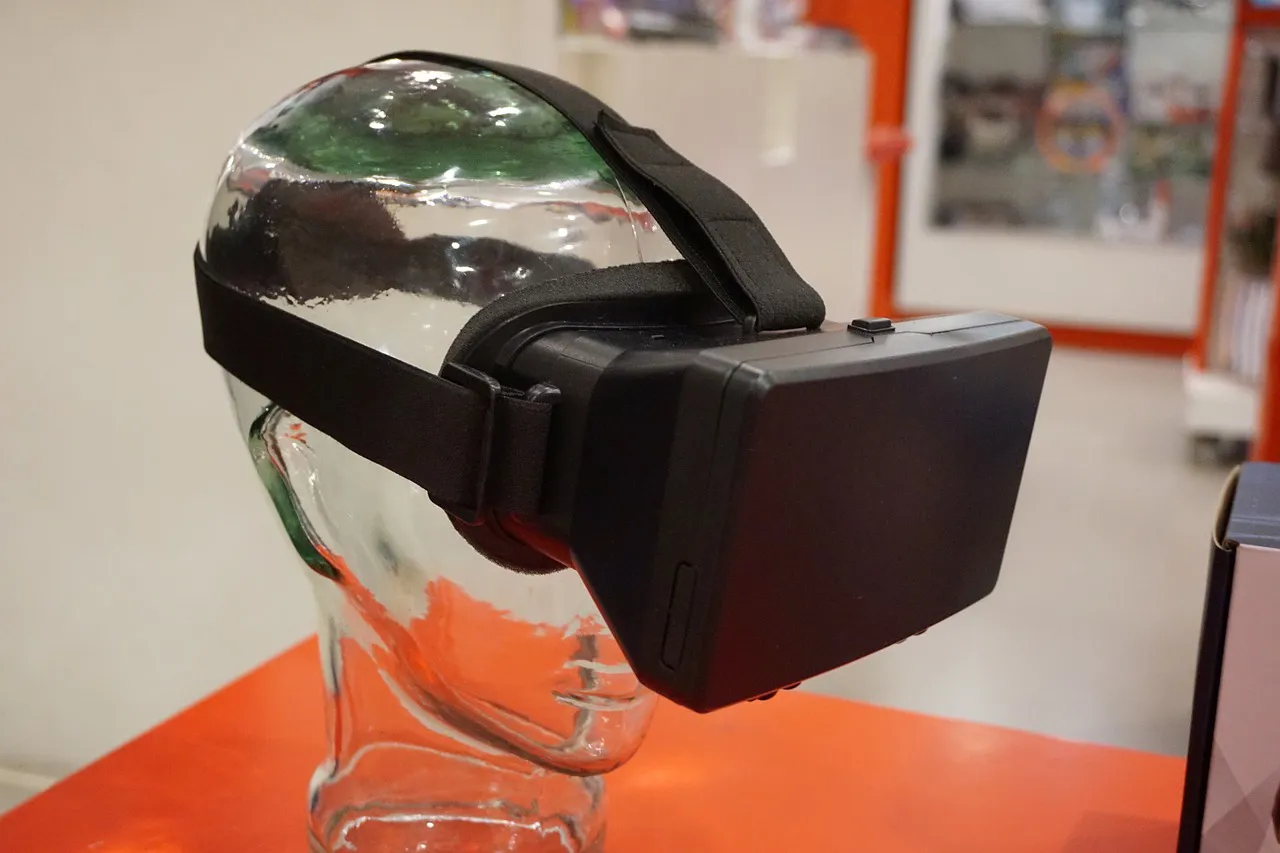
Virtual reality (VR) is among the most fast-moving technologies of the moment. A few short years ago, it looked like location-based VR attractions would conquer the world. At the forefront was Dreamscape Immersive, a company which promised to revolutionize tourism and immersive entertainment forever.
In partnership with both AMC and Steven Spielberg, Dreamscape had locations in Los Angeles and at the Westfield Garden State Plaza in New Jersey. Essentially, visitors were invited to don a VR headset and step into one of a number of purpose-built fantasy realms.
However, the boom was short-lived, and many location-based VR companies, including Dreamscape Immersive, failed to survive the pandemic. Those which do remain appear to be struggling to survive.
Advancements in Location-Based VR
Virtual reality has evolved rapidly over recent years. Today’s users can explore rich environments in three dimensions, crafted by skilled designers, offering a level of detail and immersion once thought impossible.
While VR at home often requires significant physical space – something not everyone has – location-based VR provides the perfect alternative. These venues allow guests to physically move through a narrative without worrying about bumping into furniture or knocking over household items.
There can be no doubt about the capabilities of the tech, so why is the location-based sector collapsing?
What Goes Up…
At the New Jersey Dreamscape site, visitors could choose from three interactive adventures, previewed in a museum-style waiting area. These experiences could be enjoyed solo or as part of a group, and some were based on familiar and beloved film IPs. It all sounded great on paper.
However, in reality, there were kinks to be worked out. The technology was still growing, and, eventually, the constraints became clear and the novelty of the new tech wore off.
The level of content development wasn’t what companies like Dreamscape had hoped for. The experiences that were available on the highstreets were shallow and glitchy. Whilst the hardware was there, software developers were struggling to create engaging experiences.
Even with investors like Steven Spielberg, location-based VR quickly began to struggle, and, after its initial surge in popularity died off, so too did the venues.

What’s Next For VR?
It’s impressive what Dreamscape achieved, and it still has locations in Geneva and Riyadh. Despite the struggles of location-based VR, it’s exciting to see what they’ll do next. Dreamscape has already found itself at the forefront of the thriving VR-education sector.
The issue appears not to be with the hardware, but with the software. Developers of VR software should look to more successful and sustainable business models to fund their work. Examples would include SaaS streamers like Netflix, and iGaming developers and sites, who constantly manage to produce and exhibit a large number of casino games with a great deal of variety in theme and gameplay.
Despite the steady waning of location-based VR venues around the world, the technology itself is still going strong. The hardware is lighter and more user-friendly than ever before. Eventually, when software developers catch up, VR may see a resurgence, perhaps even in the sort of physical locations that are currently facing existential crises.