Switzerland’s Bannalpsee is emerging as a quiet draw for hikers, families and photographers thanks to its changing water colours, alpine setting and easy access from the Engelberg valley. The lake sits at 1,586 metres above sea level in Nidwalden and is reached by a mountain road and cable car route that keeps it off most mass-tourism itineraries.
Despite its remote feel, Bannalpsee is not a natural lake. It is a reservoir completed in 1937 during Switzerland’s hydroelectric expansion in the 1930s, but its setting makes it look like a natural mountain basin. Visitors are now being drawn to the area for walks, picnic spots, family trails and longer hikes into the surrounding peaks.
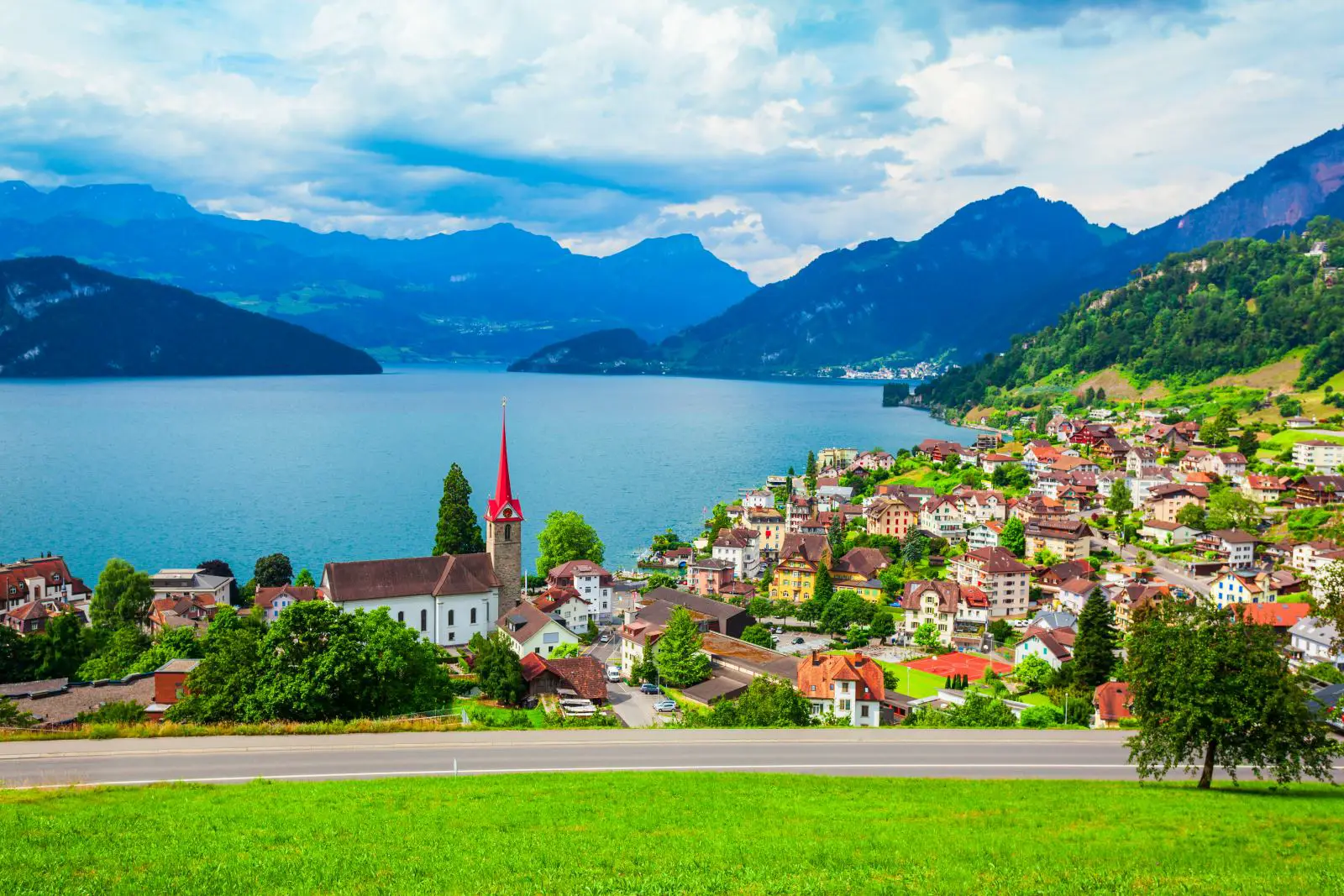
The lake lies on the Bannalp plateau above Oberrickenbach, in central Switzerland, where steep meadows, timber chalets and limestone ridges frame the water. Local tourism material describes the area as a Geheimtipp, or secret tip, and it has gained a reputation for offering a rare mix of accessibility and authenticity.
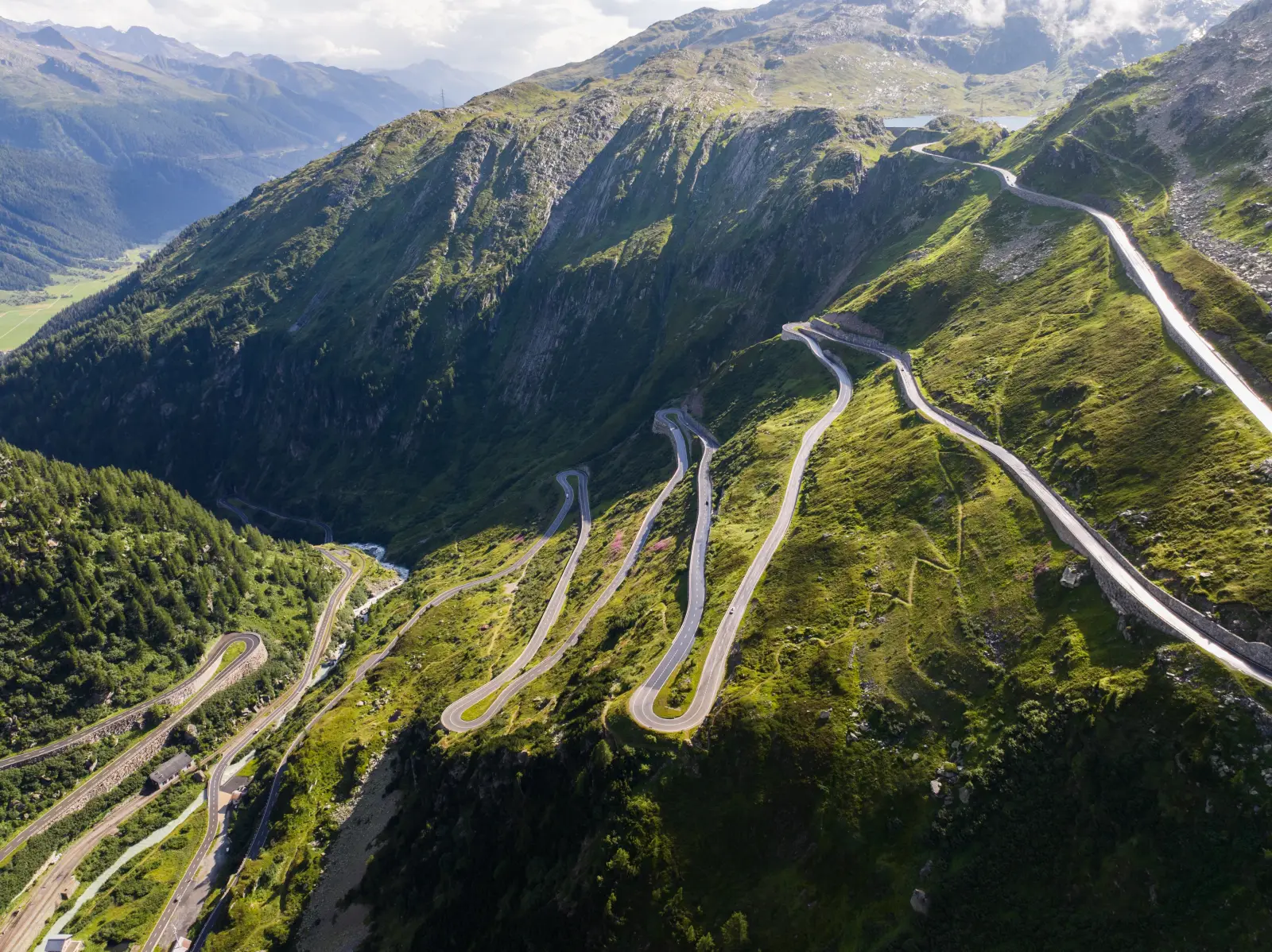
According to the source article, the approach to Bannalp begins on the mountain road from Wolfenschiessen to Oberrickenbach before continuing into the Engelberg valley. The landscape changes gradually from farmed slopes and old wooden barns to open alpine pastures, with Bannalp appearing beyond the last huts as a high plateau that still feels little known outside Switzerland.
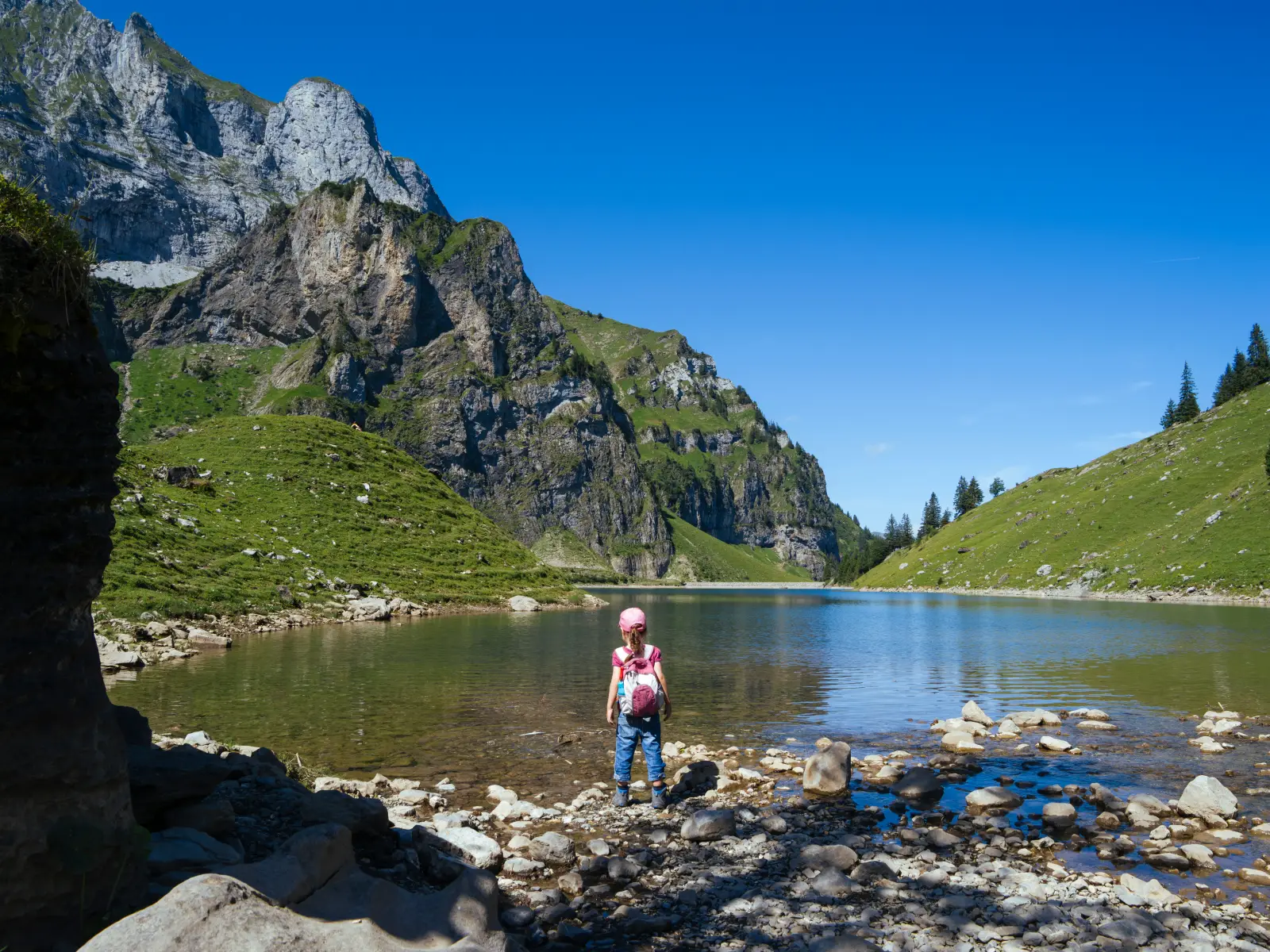
The lake itself is surrounded by a landscape that changes throughout the day. At dawn the water can look metallic, while under strong sunlight it turns emerald. On still days, the surface becomes mirror-like and reflects the mountains, making the area especially popular with photographers and landscape visitors.
Although the reservoir has an engineered origin, the article says it fits naturally into the alpine terrain. The basin sits in a glacial hollow and the dam is described as discreet, while the surrounding buildings follow traditional mountain architecture with dark timber, pitched roofs and stone bases. Near the shore stands Berggasthaus Bannalpsee, a mountain inn that serves walkers and day visitors.
The article says the area appeals to very different travellers. Families come for easy access to the water, walkers visit for short loops and more serious hikers head higher into the mountains. Children can often be seen playing by the lake shore while parents picnic nearby, and fire pits, tables and simple meals are part of the experience.
The easiest route is a 5 km path around the lake, which takes just over an hour. For families, the Zwargliweg, or gnome trail, offers 7 themed stops linked to a story about a sparkling stone. The route is designed to turn a simple walk into a playful alpine adventure for children.
For more demanding hikers, trails leave Bannalpsee and climb towards peaks including Chaiserstuel, which rises to more than 2,400 metres and appears in the local logo. The summit offers wide views over Nidwalden, Uri and parts of the surrounding Alps, making it a stronger draw for experienced walkers looking for a longer day out.
Summer adds another layer of interest, with rare alpine flowers appearing in the meadows around the lake. The article mentions gentians, edelweiss at higher elevations, buttercups and aromatic grasses that fill the air with scent early in the day. Small chapels, larch fences, livestock shelters and neatly stacked firewood also add to the area’s traditional feel.
Bannalpsee’s appeal lies in that balance between ease and remoteness. Visitors can reach the lake quickly, yet the setting still feels far from the busier Swiss tourist routes. For that reason, it is likely to remain a favourite for travellers seeking a quieter alpine experience without sacrificing scenery, walking options or classic mountain hospitality.
Photo Credit: Ronald Sumners / Shutterstock.com