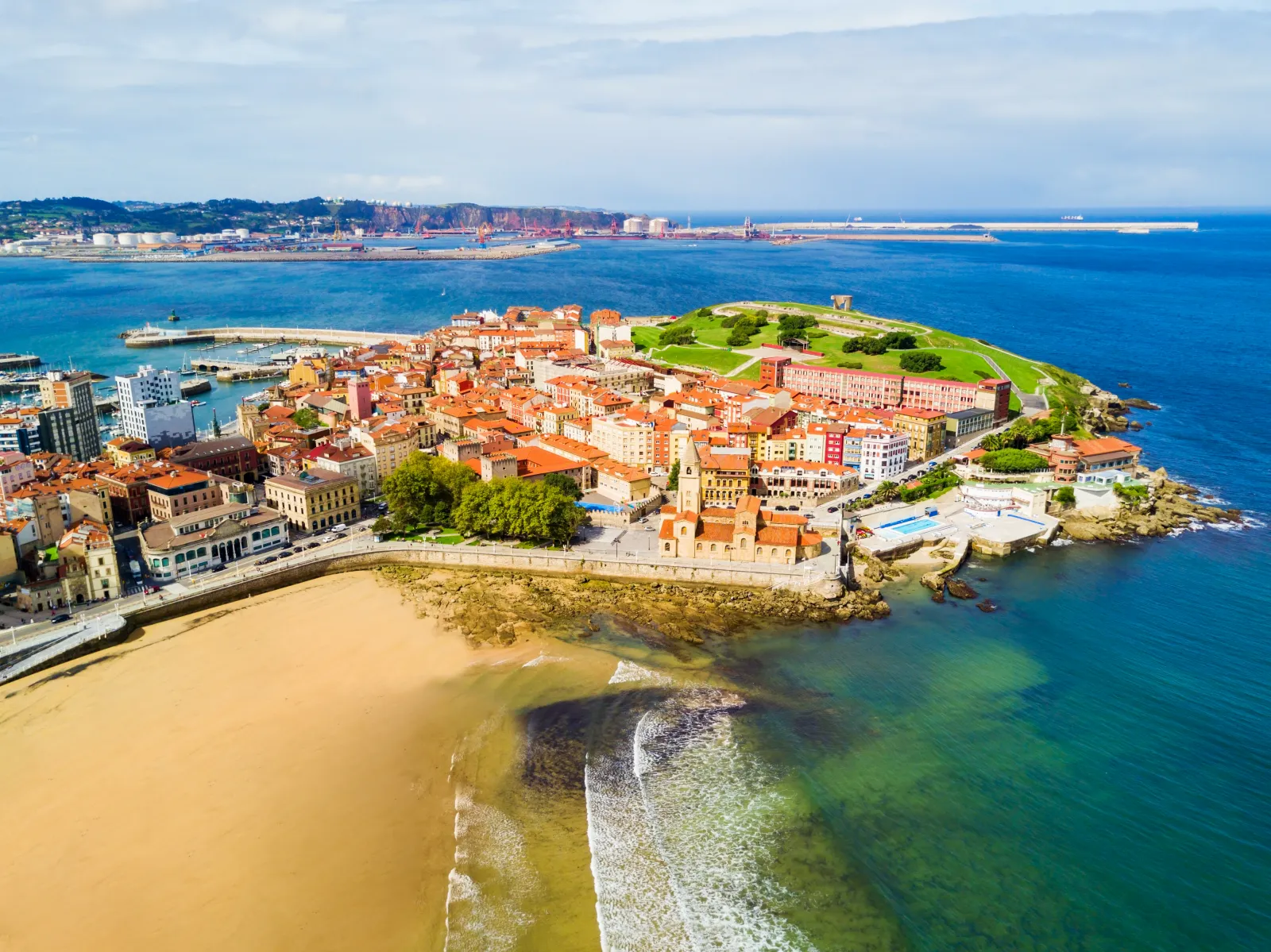
If you think Spain in summer is all sweaty beaches and skin-crisping sun, think again. There are mountain villages where you need a blanket at night, valleys where you can see your breath in July, and entire regions that act as natural air conditioners while the rest of the country roasts. It’s one of those delightful surprises you find when you stop listening to postcards and start listening to the land itself. Come along—we’ll wander from the misty peaks of Asturias to the breezy Basque coast, seeking that precious, underappreciated thing in Spain: a bit of blessed summer chill.
Where Spain Trades Sunburn for Sweaters
Let’s get this out of the way: most tourists arrive in Spain expecting relentless sun, shimmering beaches, and crowds in bikinis. They are right, of course, if they head to the Costa del Sol or Benidorm in July. Temperatures regularly push 35 °C or higher, and locals take siestas not because it’s charming but because it’s physically impossible to function when the pavement is hot enough to fry chorizo.
But Spain is one of Europe’s most geographically diverse countries, which is a polite way of saying it has wild mood swings. The same nation that burns under Saharan winds in Andalusia also hides shady valleys where locals pull out wool blankets in July. It’s not a marketing gimmick—it’s just geography.
Northern Spain: The Atlantic’s Cool Embrace
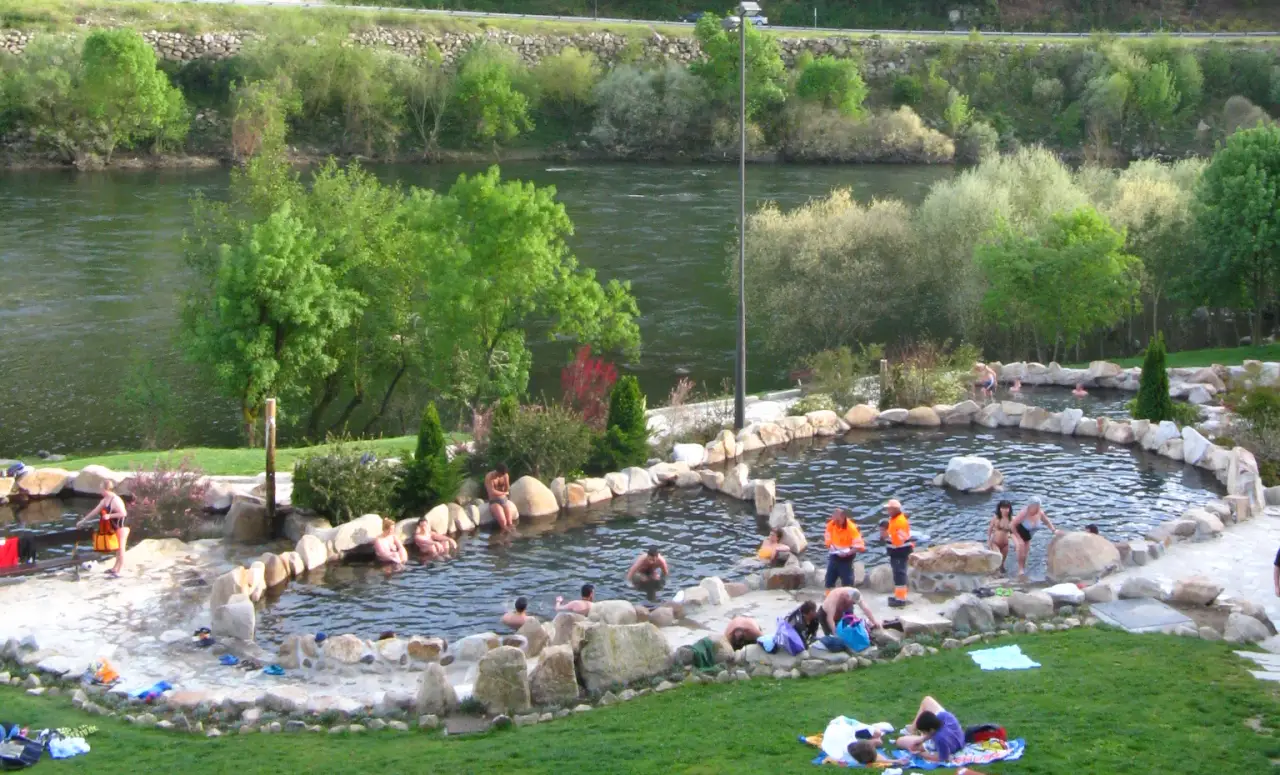
If you’re determined to avoid heatstroke while enjoying Spain, head north. The Atlantic coast is Spain’s answer to air conditioning, with cooler air sweeping in from the ocean and blanketing regions like Galicia, Asturias, and Cantabria. These places are green for a reason—they get rain, even in summer.
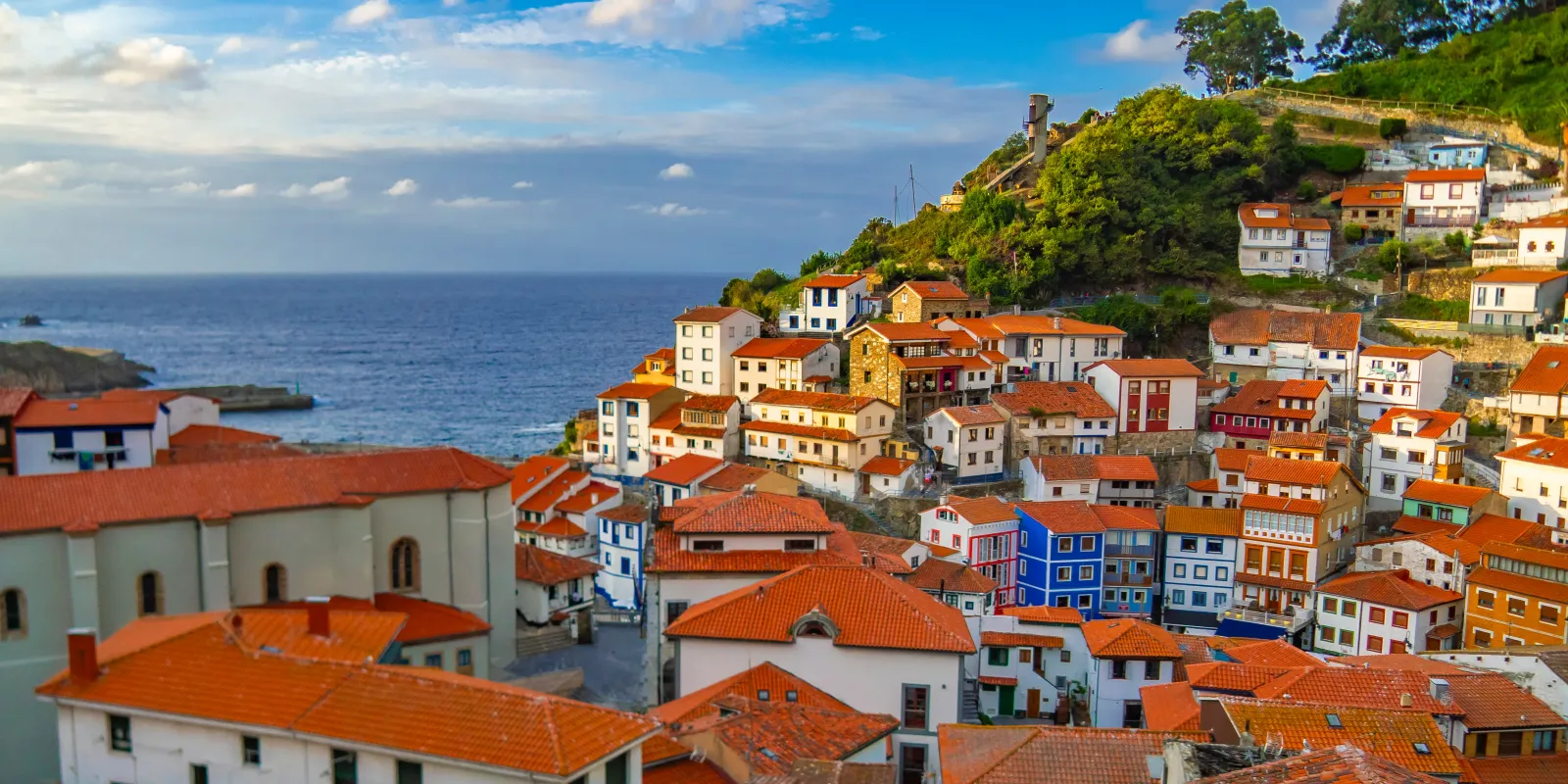
In Asturias, you’ll find fishing villages with foghorns moaning in the morning mist, beaches flanked by cliffs, and rolling green hills that wouldn’t look out of place in Ireland. Locals there regard 25 °C as a heatwave. Try Cudillero, where the colorful houses spill down a hill into a tiny harbor, or Llanes, where beaches hide between rocky outcrops. You can eat fabada, Asturias’s famous bean stew, even in July, and no one will look at you funny.
Galicia is even cooler and wetter, which explains why it’s famed for seafood rather than suntans. Santiago de Compostela, the endpoint of the Camino, often wakes to drizzle in mid-summer. The seafood is world-class, the wine is crisp Albariño, and you can hike for hours through eucalyptus forests without evaporating in the heat.
The Basque Country: Culture with a Breeze
Further east, the Basque coast is perfect for travelers who want sophistication with their sea spray. San Sebastián might be famous for its beaches, but its summer highs are often a merciful 25 °C, and nights are blessedly cool. It’s the kind of place where you can wander between pintxo bars without sweating through your shirt.
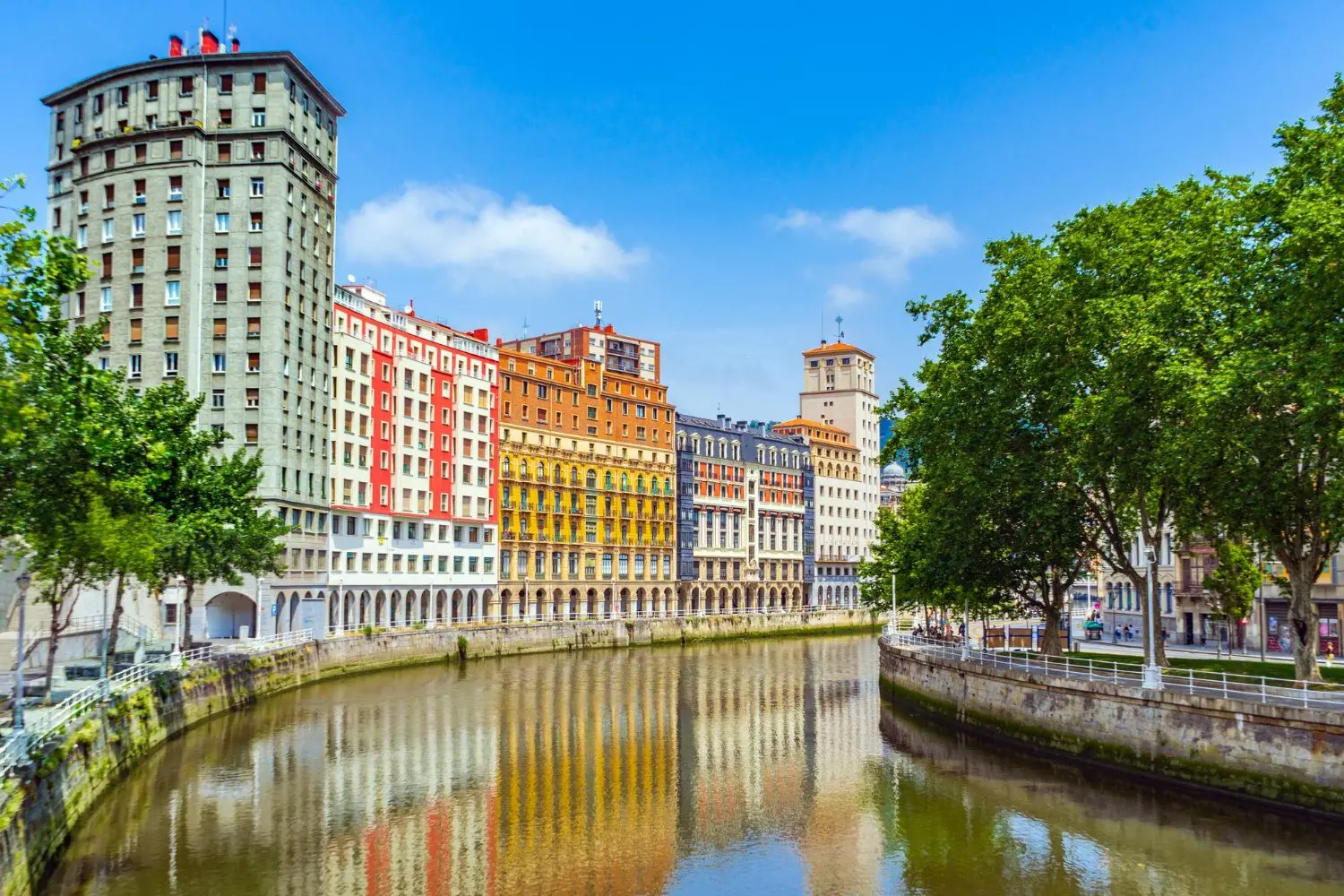
In Bilbao, the Guggenheim gleams under gray clouds more often than unrelenting sun. Even in midsummer, you’ll see locals in jackets by evening. The coast is rugged, with dramatic cliffs and crashing waves. It’s hard to imagine a better antidote to Andalusia’s desert heat than standing on the windswept promontory of San Juan de Gaztelugatxe, which you may recognize from Game of Thrones.
The Pyrenees: Spain’s Air-Conditioned Backbone
Spain’s great mountain range, the Pyrenees, is a natural barrier between Spain and France—and a superb summer refuge. While Catalonia’s coast bakes, the Pyrenees’ high valleys stay cool. Think alpine meadows with cowbells tinkling in the distance, and old Romanesque churches whose thick walls seem designed to keep the heat out and the mystery in.
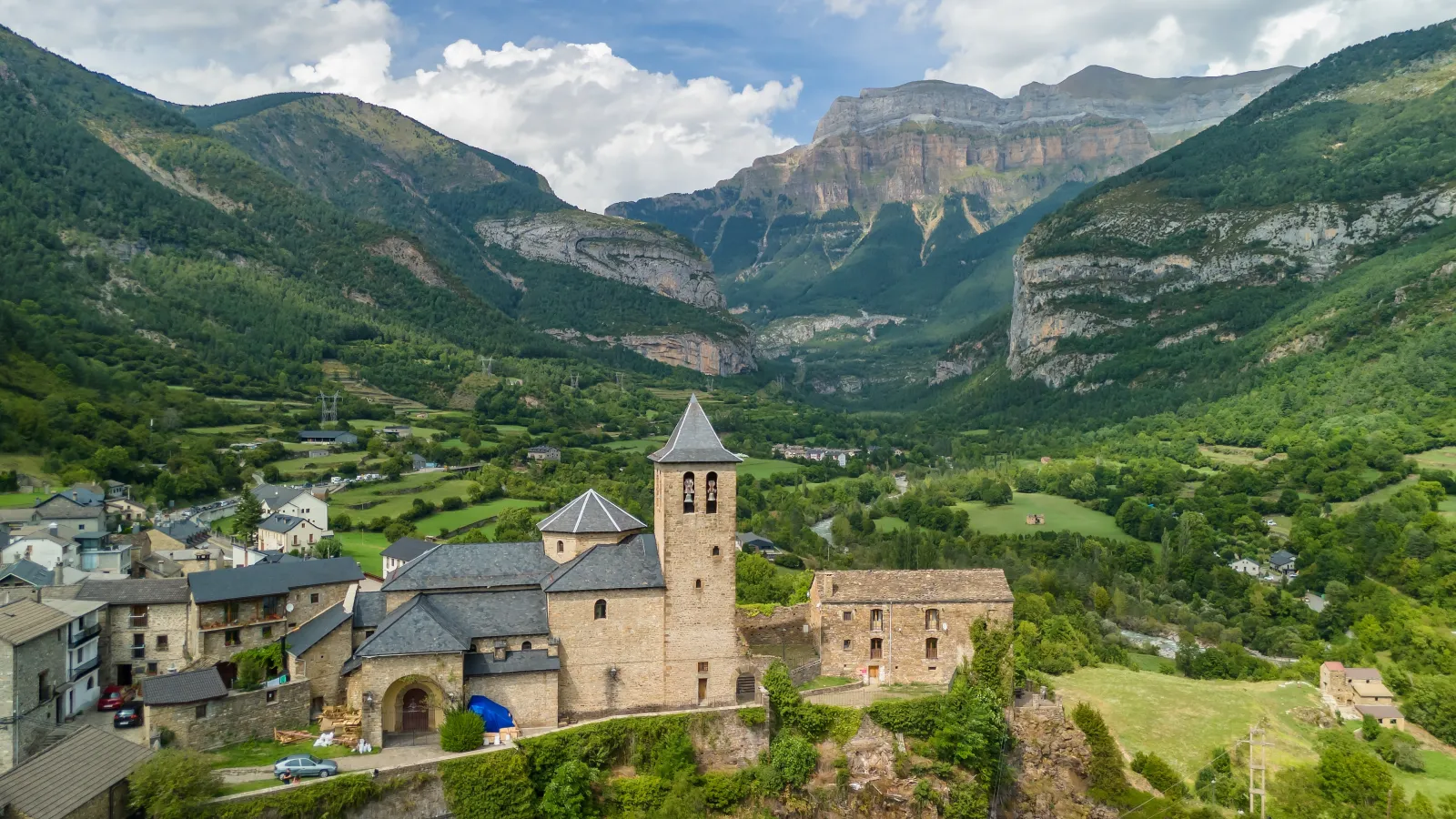
In Aragón’s Ordesa y Monte Perdido National Park, you’ll find hiking trails where waterfalls crash through deep gorges. Even in August, it can get chilly at night, and campers pull on beanies after sunset. The Catalan Pyrenees are equally tempting, with spots like Vall de Boí offering cool air and art history—its tiny villages house fresco-filled medieval churches that look unchanged for centuries.
León and Castile’s Highland Surprises
Now, let’s talk about Spain’s hidden pockets of cold where no tourist expects it. Provinces like León or Burgos in Castile and León often deliver surprisingly chilly nights even in midsummer, especially at altitude. There are villages here where summer evenings demand sweaters and mornings might greet you with mist so thick it feels like being in a fairytale.
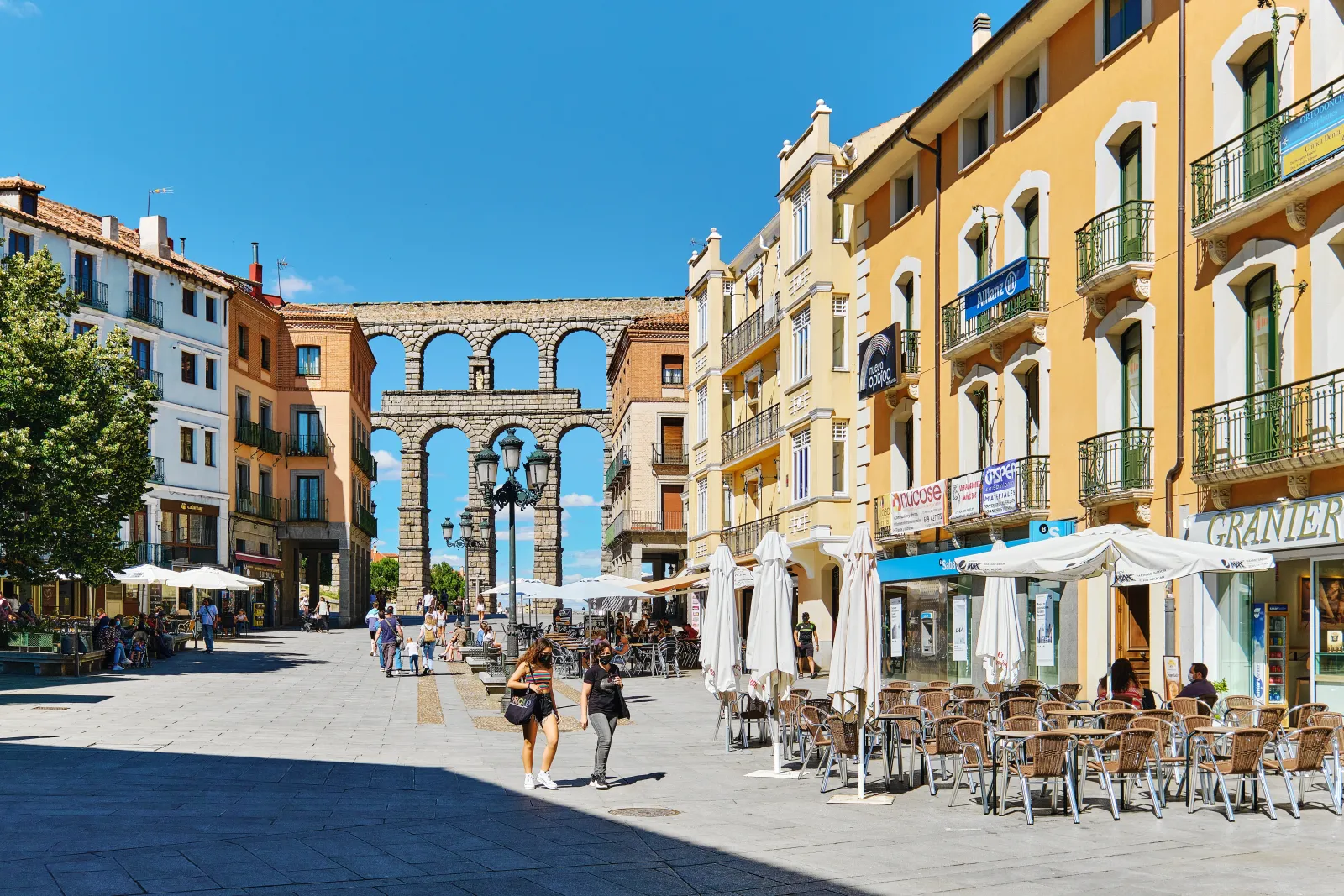
In León, some small mountain villages at over 1000 m see night temps drop below 10 °C in July. That’s enough for locals to sleep under blankets while most of Spain cranks the air conditioning. These aren’t the touristy spots you’ll find in glossy brochures. Think stone houses, old men playing cards in shaded plazas, and food portions sized for lumberjacks—cured meats, hearty stews, and rustic bread.
It’s the kind of place where time slows down, not because it’s quaint but because everyone’s waiting for the morning fog to burn off. And when it does, it reveals green valleys, grazing cattle, and the occasional ancient Roman road you can follow for miles.
Sierra de Gredos: Madrid’s Mountain Getaway
Even Madrid, infamous for blistering 40 °C summer days, has an escape route: the Sierra de Gredos. About two hours’ drive away, these granite peaks rise to over 2500 m. By day, you can hike through pine forests and swim in icy rivers; by night, temperatures drop enough that you’ll want a hoodie, even in August.
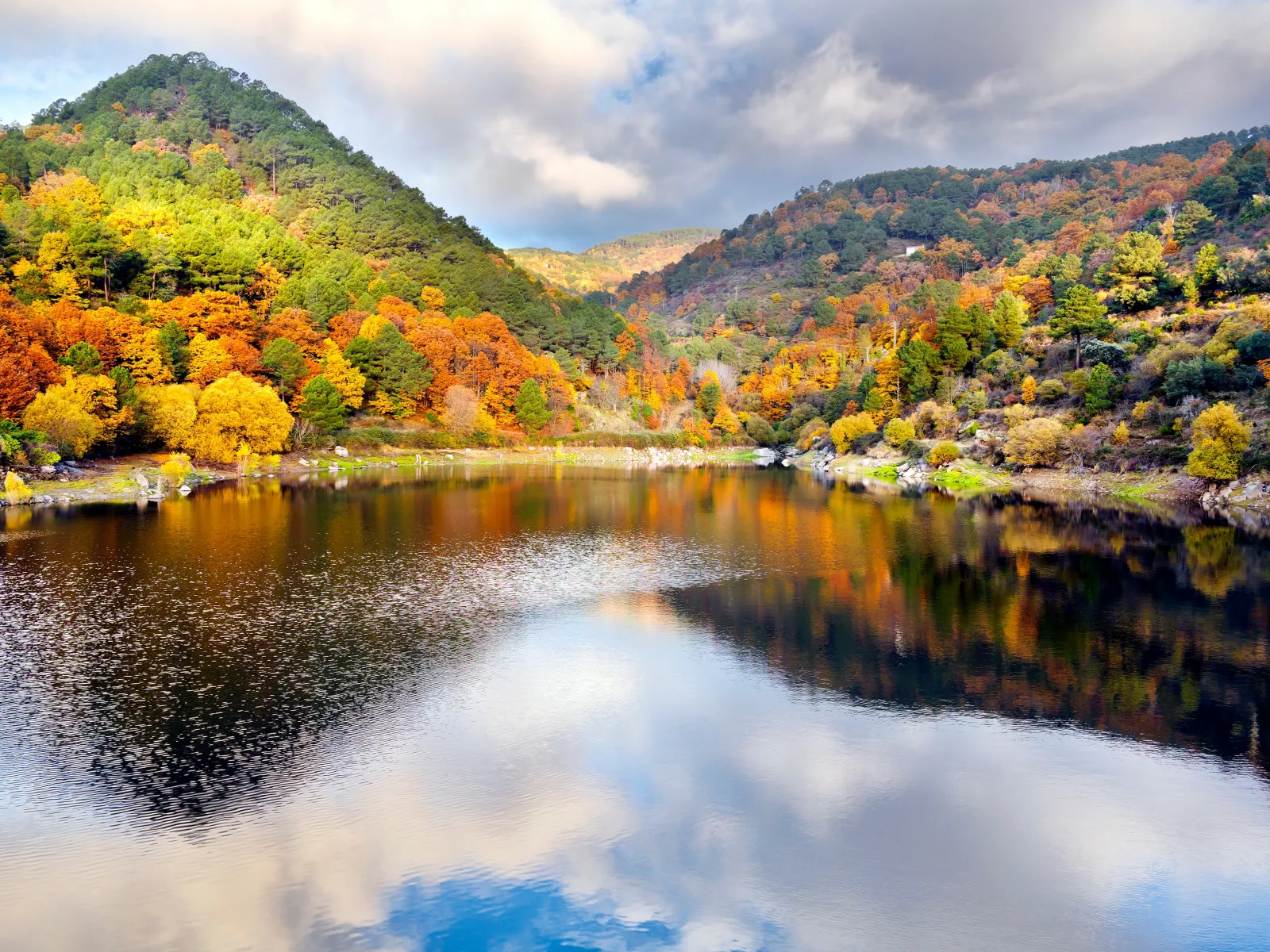
Villages like Hoyos del Espino or Navarredonda de Gredos thrive on this seasonal exodus. Madrileños rent cottages, eat roast suckling pig on cool terraces, and sleep with windows open to mountain breezes. It’s a good reminder that even Spain’s hottest regions have built-in relief valves if you know where to look.
The Science of Spain’s Cool Spots
Spain’s cool summer escapes aren’t a travel industry gimmick—they’re a fact of its geography. The north’s Atlantic climate ensures lower highs and regular rain. High-altitude zones lose heat quickly at night, which is why mountain villages can see 30 °C days and 10 °C nights.
These diurnal swings are great for more than comfort—they’re why Spain grows world-class wine grapes. Grapevines love hot days and cool nights, which concentrate sugars and balance acidity. So those chilly nights in León or La Rioja do more than let you sleep well—they help make the Tempranillo in your glass so good.
Tips for Travelers Seeking Cool in Spain
- Pack layers: Even if daytime is warm, mornings and evenings can be chilly.
- Expect rain: Especially in Galicia or Asturias—embrace it. The rain is why it’s green.
- Go high: Altitude is your friend. Even in southern Spain, mountain ranges offer relief.
- Slow down: Cool-weather destinations aren’t about nightlife and speed—they’re about long meals, scenic walks, and breathing fresh air.
- Try local food: Northern Spain’s cuisine is built for these climates. Think stews, roasts, cider, and robust wines.
The Real Spain, Beyond the Brochures
Spain’s cool summer escapes offer more than physical relief from the heat—they reveal a different side of the country. One that’s green instead of gold, misty instead of blazing, built for slow walks and big meals rather than crowded beach clubs.
It’s Spain that’s closer to its roots, where locals take their time, and nature is something you’re meant to feel, not just photograph. So this summer, consider packing your sweater alongside your swimsuit. You might discover that the coolest destinations are the ones you never knew existed.
Main Photo Credit: saiko3p / Shutterstock.com