Copenhagen has made its CopenPay tourism initiative permanent after two years of pilot programmes, as more than 350 destinations worldwide begin adopting similar models designed to encourage climate-friendly travel behaviour.
The year-round scheme officially launched on 9 June 2026 and rewards visitors for actions such as arriving by train or electric car, cycling instead of driving, using public transport, collecting litter and taking part in environmental or community activities across the Danish capital.
The programme was first introduced by Wonderful Copenhagen as a four-week pilot in summer 2024 before expanding significantly in 2025. The city now says the initiative has evolved from a seasonal experiment into a permanent tourism strategy focused on sustainability and visitor participation.
CopenPay allows travellers to earn rewards including free bike rentals, guided tours, museum access, food experiences and cultural activities by completing environmentally responsible actions during their stay.
The initiative is part of Copenhagen’s wider effort to reduce tourism-related emissions while encouraging visitors to engage more actively with local communities. Officials say the programme aims to transform tourists from passive visitors into participants who contribute positively to the destination.
Rikke Holm Petersen, Director of Behaviour at Wonderful Copenhagen, said many travellers already want to travel more responsibly but often lack practical ways to do so.
According to the tourism organisation, the experience itself has become a stronger motivator than the rewards. Internal research cited by the city found that only 23% of participants were primarily motivated by incentives, while nearly half joined because they wanted a more meaningful travel experience.
The city also says 7 in 10 participants reported changing some of their habits after returning home, suggesting that tourism initiatives can influence behaviour beyond a holiday.
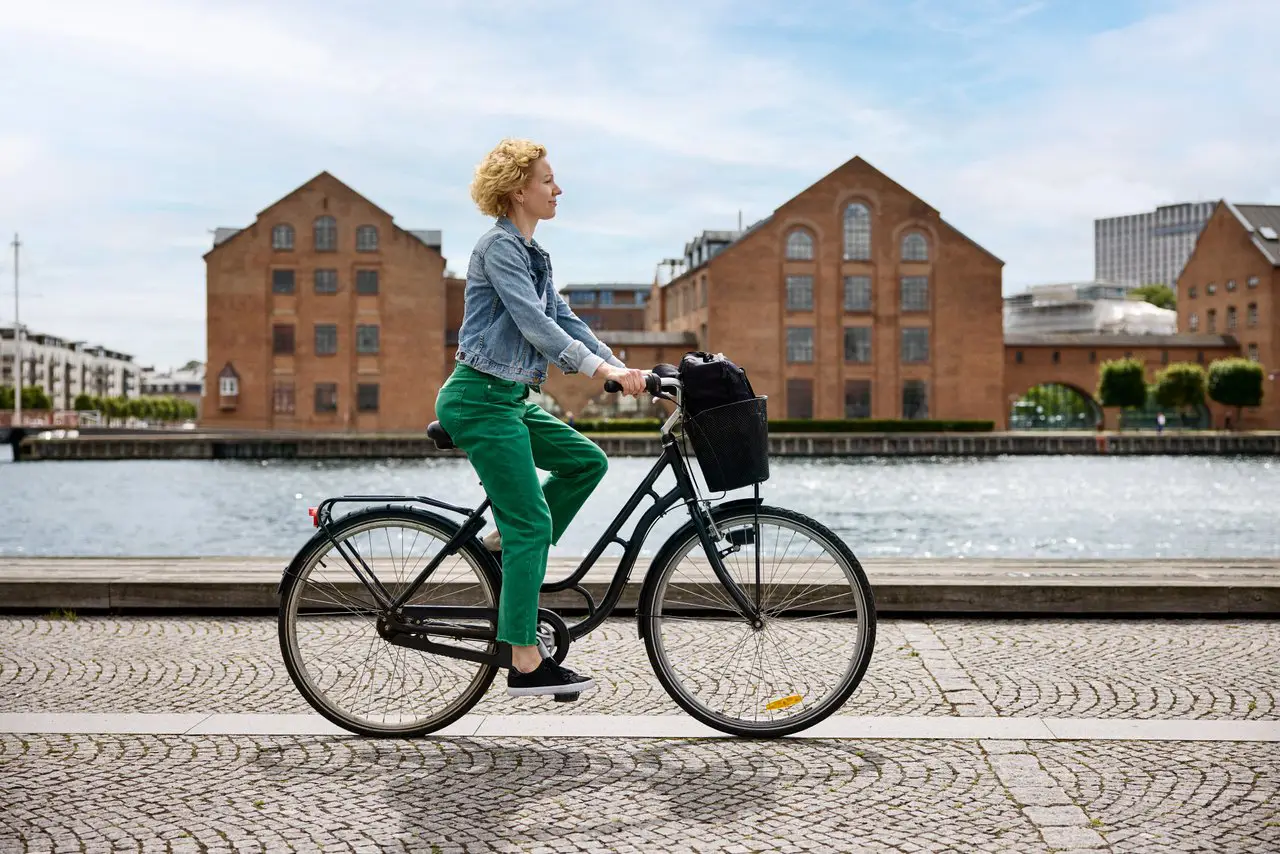
Transport remains one of the central elements of the programme. Visitors arriving by train or electric vehicle receive additional benefits, while bicycles and public transport are heavily promoted once travellers are in the city. Copenhagen says encouraging rail travel and longer stays can help reduce emissions linked to short-haul flights and frequent weekend trips.
The initiative includes a wide range of activities developed with museums, environmental organisations and tourism partners. Popular experiences include paddleboarding combined with litter collection, harbour clean-up activities, cycling tours, farm visits and upcycling workshops at Designmuseum Danmark.
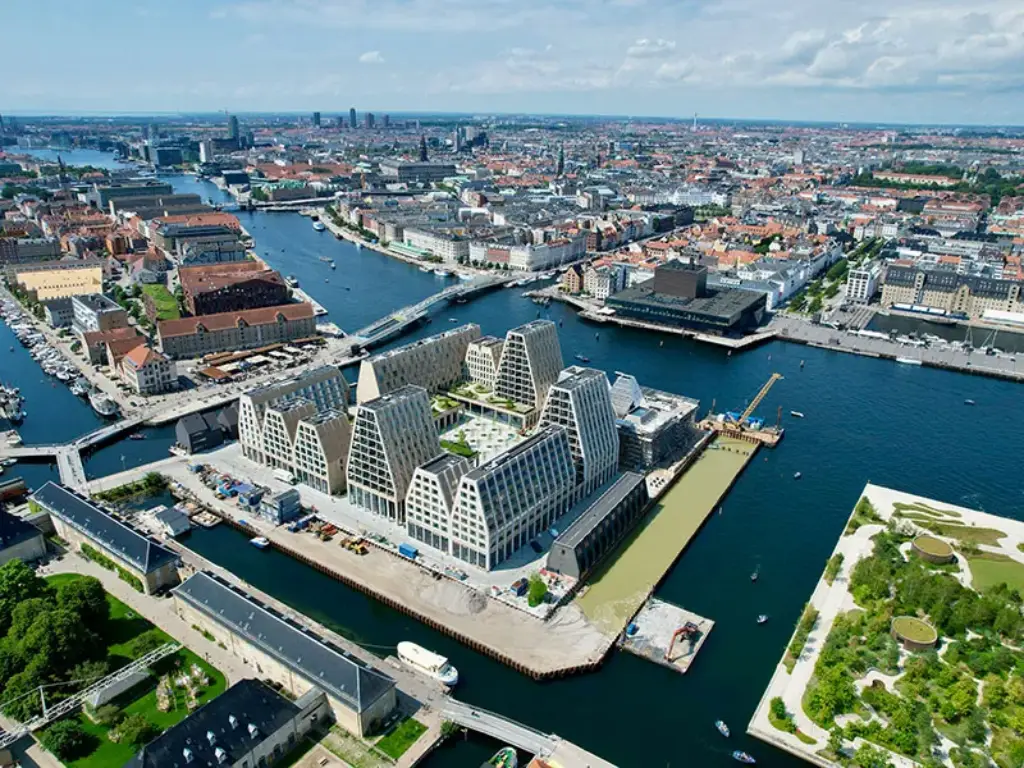
Water-based environmental activities have become particularly important in the Danish capital, where harbour culture and cycling infrastructure already play a major role in urban life.
The success of CopenPay has also inspired the launch of DestinationPay, a global framework allowing other destinations to build their own versions of the concept.
Wonderful Copenhagen says the model is free for destinations to adapt according to local priorities and culture. More than 350 cities and destinations have reportedly joined or expressed interest in the network.
Berlin became one of the first major cities to introduce its own version, called BerlinPay, which launched in May 2026. The German capital’s pilot programme rewards visitors and residents for activities linked to sustainable water tourism, including tree watering, litter collection and cycling.
Italian destinations including Florence and Ravenna are also developing similar concepts as European cities increasingly search for ways to balance tourism growth with environmental goals and local quality of life.
The expansion of programmes such as CopenPay comes as destinations across Europe face growing pressure to address overtourism, carbon emissions and visitor behaviour while maintaining tourism revenue.
Copenhagen says the growing international interest suggests many travellers are looking for more responsible and participatory ways to travel, with tourism increasingly focused on contribution rather than consumption alone.