German tourists are still travelling, but they are spending far less on extras when they arrive at their destination, according to new research from Innofact. The study found that the average budget planned for restaurant visits, shopping, entertainment, activities and excursions in 2026 is 308 euros.
It also showed that 81% of respondents plan to spend less than 500 euros on additional holiday costs, up from 65% last year. Spending is shifting towards the lowest bands, with more travellers setting tighter limits on optional purchases and experiences.
The findings point to a change in how German holidaymakers now divide their travel budgets, with accommodation and transport still protected but discretionary spending under pressure. Rising living costs, energy prices and wider economic uncertainty appear to be making travellers more cautious abroad.
Innofact’s research suggests this trend is especially visible in spending on restaurants, paid activities, shopping and local tours, all of which are key sources of income for many destinations. The share of travellers planning to spend 100 to 200 euros rose from 20.4% to 30.4%, while those aiming to spend less than 100 euros increased from 6.6% to 10.7%.
At the same time, the number of respondents planning to spend 500 to 750 euros fell from 15.6% to 8.8%. The survey indicates that German consumers are travelling, but they are making more deliberate choices about where their money goes once they arrive.
That shift matters for destinations that rely heavily on food, retail and experience-led income. Tourism operators, restaurants and attractions may face more pressure to show clear value rather than simply compete on price.
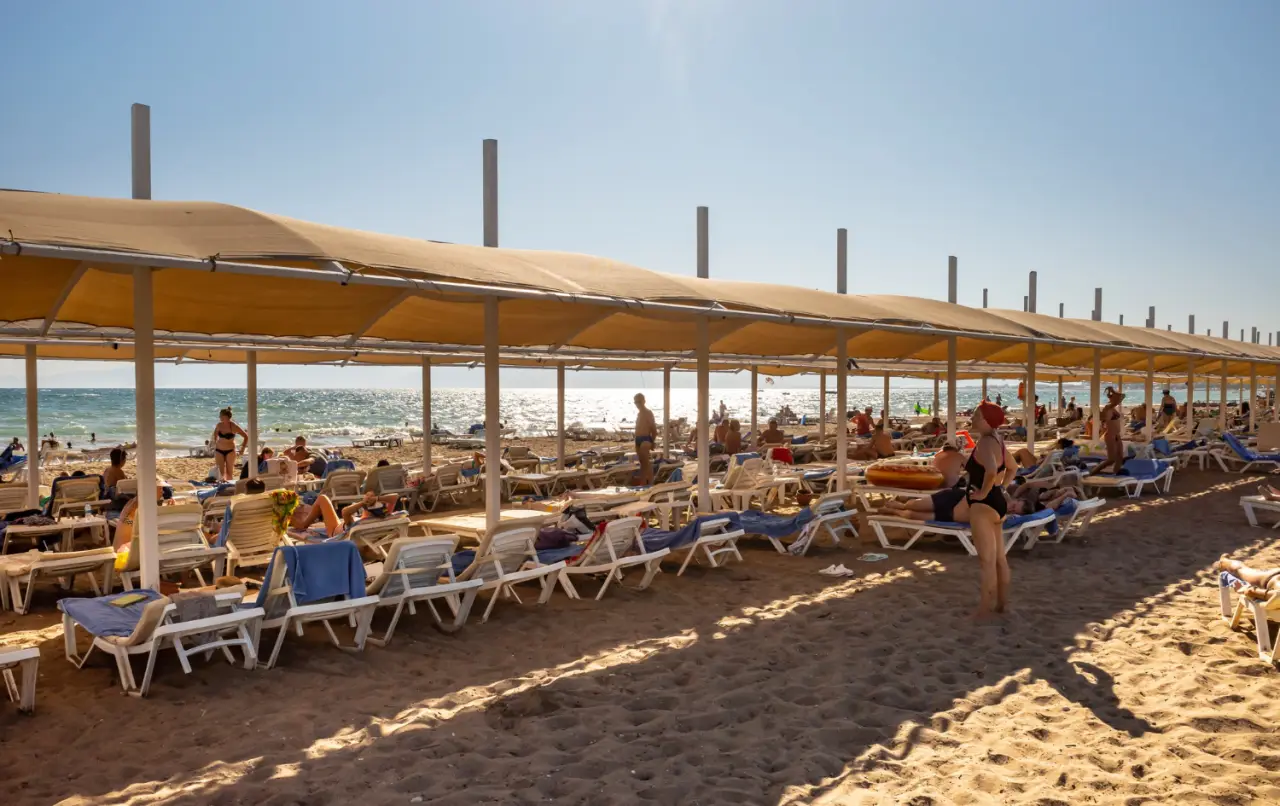
Türkiye’s all-inclusive model could benefit from the change. German travellers may be less willing to spend freely on extras, but they are still drawn to packages that make costs more predictable.
Interest in package holidays has also risen again in the European market, supporting destinations that can bundle meals, accommodation and services into one price. For places such as Antalya, the challenge is now to sell the quality and variety of the experience, not just the headline rate.
Antalya hoteliers say the region is well placed because of its high service standards, large hotel base, safe environment and broad range of experiences. Kaan Kaşif Kavaloğlu, president of AKTOB, said the market shift needed to be read correctly.
“German tourists are not giving up travel, but they are becoming more selective in their spending. That is why value competition, not price competition, is now coming to the fore for destinations,” said Kavaloğlu.
He said Antalya’s strength lies in its ability to offer good value. “Thanks to our high service quality, extensive hotel infrastructure, safe environment and wide range of experiences, we can give guests far more than the price they pay,” he said.
He added that the next goal was not only to increase visitor numbers, but also to raise the quality of the experience and create more value in the destination. The research suggests that for many travel businesses, the coming season will depend on whether they can persuade cautious German visitors to spend more once they arrive.