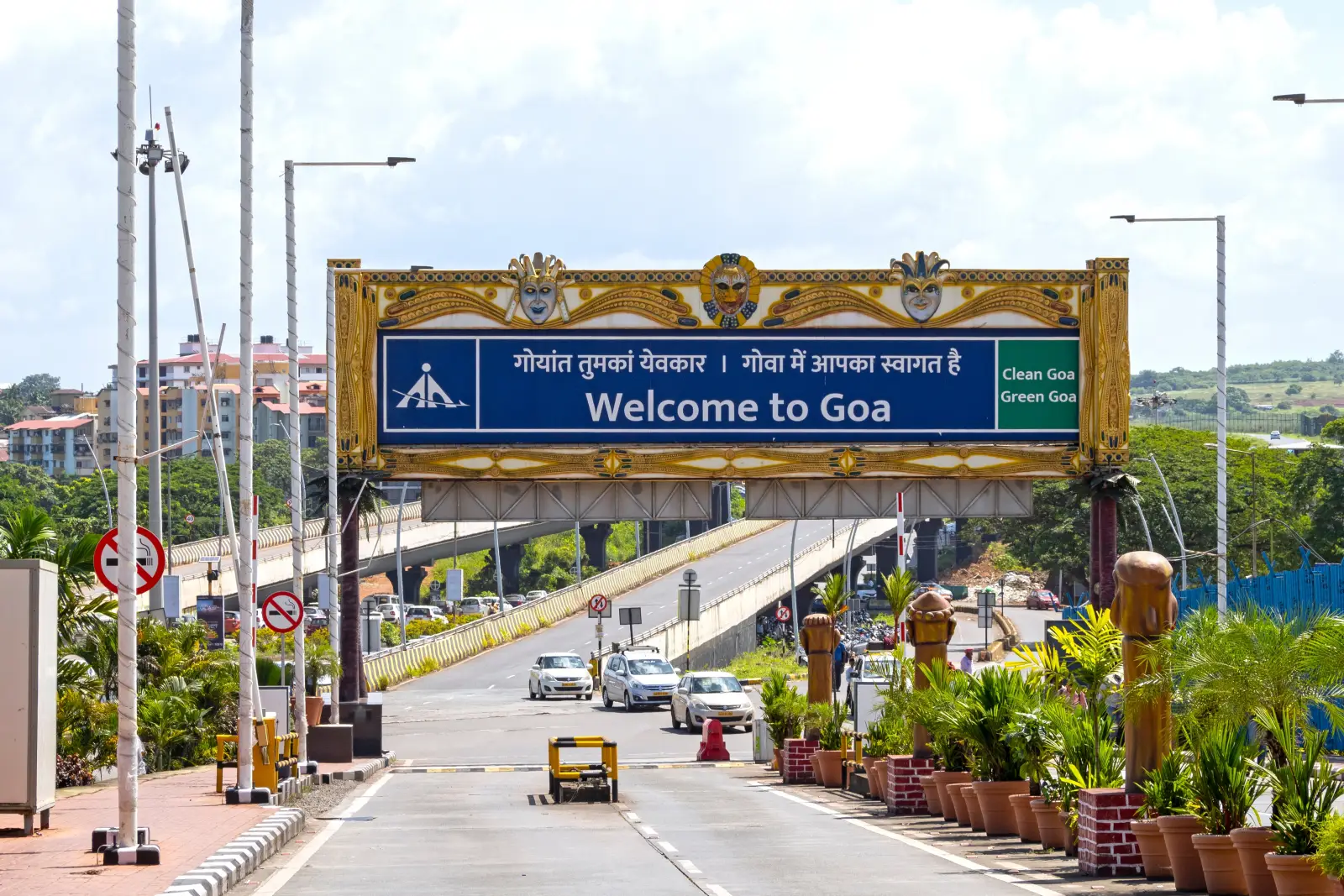
Goa has seen a sharp fall in foreign tourist arrivals over the past eight years, with the Indian beach state losing about 45% of its overseas visitors as more travellers choose Thailand and other Southeast Asian destinations instead. Officials and tourism businesses say rising costs, visa hurdles and geopolitical tensions have all played a part in the decline.
The state, long known as India’s party capital and one of its best-known coastal destinations, received about 900,000 foreign tourists in 2017. That number has since fallen to about 500,000, even as domestic tourism climbed to a record high of more than 10 million Indian visitors by the end of 2025.
Tour operators and local businesses say the shift has changed how money flows through the local economy. They say foreign visitors tend to stay longer and spend directly in local shops, while domestic travellers are more likely to book all-inclusive packages, reducing spending in smaller businesses.
The Goa Tourism Department said global tensions have affected overseas travel demand. It pointed to the effects of the Covid-19 pandemic, the Russia-Ukraine war and military activity in the Middle East, which pushed up oil prices and raised airline costs. Officials said inflation and higher travel expenses also forced many European travellers to tighten their budgets.
Reports on the sector also point to several local factors that have made Goa less competitive. Travellers face more expensive and time-consuming visa processes for India, while hotel rates in Goa have risen sharply because of strong domestic demand. Taxi unions have also helped push up transport costs, adding to the price of a holiday in the state.
Those pressures have pushed some foreign tourists towards places such as Thailand and Sri Lanka, where journeys are often easier and cheaper. Tourism businesses in Goa say the loss of overseas visitors is particularly damaging because those travellers usually spend more time in the state and support a wider range of local services.
Ernest Dias, a committee member at the Goa Tourism Department, said the government is aware of the drop in foreign arrivals and is preparing a response. He said the state had launched broad promotional tours and advertising campaigns across Europe to reposition Goa’s less well-known beaches and heritage sites in international markets.
Goa’s tourism profile has shifted in a major way over the past decade. The state now depends more heavily on the domestic market, which has delivered record numbers, but the decline in foreign arrivals has raised concerns about sustainability and the balance of spending in the local economy.
Tourism experts say the recovery challenge is not only about attracting more visitors, but also about changing perceptions of cost and convenience. For Goa, that means competing with destinations that have become more attractive to price-conscious travellers looking for simpler travel rules and lower holiday bills.
Photo Credit: Savvapanf Photo / Shutterstock.com