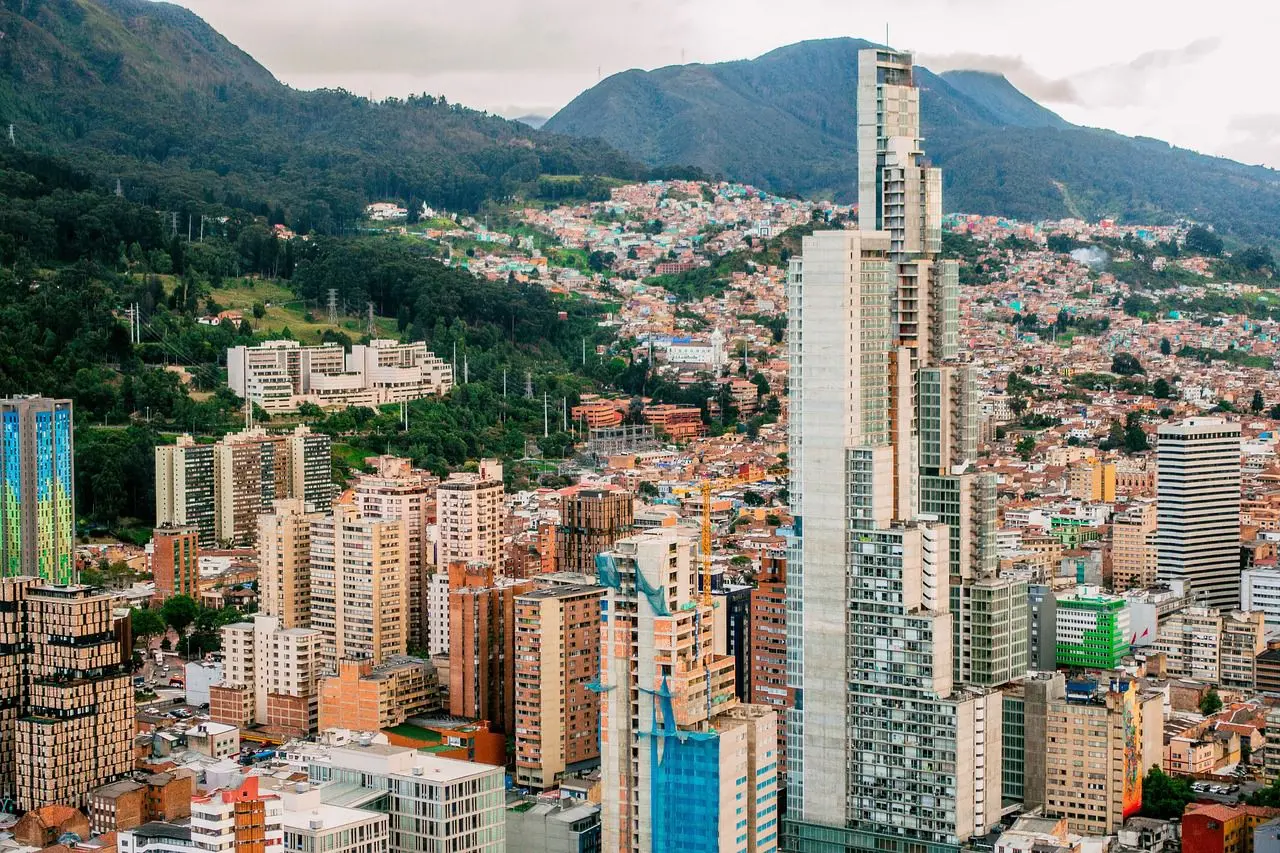
Travel teaches us to embrace the unexpected—and in Colombia’s Cundinamarca region, the unexpected came at 8:08 a.m. on June 8, when a 6.3 magnitude earthquake rattled the peaceful morning. While no major damage was reported in Bogotá, the capital certainly felt the jolt. If you’re traveling in the area or planning a visit, it’s important to stay informed, flexible, and prepared—because even the most vibrant travel destinations sometimes come with a little tremor beneath the surface.
As always, the best travelers aren’t just curious and adventurous—they’re also prepared. With Colombia’s bustling highlands still open for business and recovery efforts underway, here’s what you need to know if your itinerary includes Bogotá or anywhere in the broader Cundinamarca region in the days or weeks following the quake.
What Happened on June 8?
At 8:08 a.m. local time, a magnitude 6.3 earthquake struck approximately 12 kilometers northeast of Paratebueno, a rural area about 120 kilometers from Bogotá. While Paratebueno bore the closest brunt of the tremor, the quake was strongly felt across Bogotá and surrounding towns.
There were no immediate reports of widespread devastation or casualties, but tremors were strong enough to rattle windows, send residents and tourists alike rushing outside, and raise understandable concerns about safety, travel plans, and infrastructure.
The U.S. Geological Survey confirmed the magnitude, and the U.S. Embassy issued an alert urging caution. As with any seismic event, aftershocks are expected in the hours and days that follow, meaning travelers in the area should stay alert and flexible.
Is It Still Safe to Visit Bogotá and Cundinamarca?
Yes—but with precautions. Most of Bogotá’s tourism infrastructure remains intact, including airports, roads, and major hotels. Restaurants, museums, and tour operations resumed normal hours shortly after the quake. That said, some minor disruptions are possible, especially in more rural or less-developed areas closer to the epicenter.
If you’re currently in the region, stay updated through local news sources and hotel staff, who are often your best resource for current conditions. Monitor official embassy alerts (especially if you’re a U.S. citizen) and check with your airline, hotel, or tour operator before making any sudden changes.
Travel Tips: What You Should Do Now
Whether you’re already in Colombia or planning an upcoming trip, keep these traveler-friendly tips in mind:
- Have a Communication Plan: Let your family and friends know you’re safe. If cellular service is spotty, try messaging apps that work over Wi-Fi, such as WhatsApp.
- Know Emergency Numbers: In Colombia, the number to dial for emergency assistance is 123.
- Inspect Your Lodging: Check for signs of damage in your accommodation. Stay away from windows and heavy furniture. Shelter under a sturdy table if necessary.
- Be Flexible With Your Plans: Some attractions may be temporarily closed. Use the opportunity to explore lesser-known neighborhoods or relax in Bogotá’s green spaces.
What to Expect in the Coming Days
Aftershocks—though usually weaker—are common. Stay calm and follow local guidance. Buildings in Bogotá are generally constructed to withstand moderate seismic activity.
Transportation networks remain operational. El Dorado International Airport continues to run flights, though minor delays are possible. If traveling by road near the epicenter, ask locals about road conditions or closures.
How Locals Are Responding
Colombians are known for their resilience. In Bogotá, you’ll find residents going about their day—sipping tinto, chatting in plazas, and offering help when needed.
Events like these often bring communities together. Travelers may even find themselves invited into circles of conversation, receiving advice and a warm welcome that speaks to Colombia’s spirit of hospitality.
A Word on Travel Insurance
If you haven’t already, consider purchasing travel insurance that covers natural disasters and trip interruptions. Review your policy to see if you’re covered for emergency support or accommodation changes.
Should You Still Travel to Colombia This Month?
Absolutely—as long as you’re prepared. Cundinamarca remains one of Colombia’s most vibrant regions. From Bogotá’s historic neighborhoods to Chingaza National Park, there’s still plenty to enjoy.
Your visit supports local communities as they continue to recover and thrive.
Final Thoughts: Keep Calm and Keep Exploring
Traveling through unexpected events teaches us to be adaptable and present. The June 8 earthquake was a reminder that the world is alive in every sense—and that includes the ground beneath our feet.
But Colombia remains a welcoming, unforgettable destination. Pack wisely, stay flexible, and above all—keep your adventurous spirit alive. The journey is still worth it.