For travelers planning a Balkan getaway this winter, a sudden policy shift has put Montenegro back in the headlines. Following recent diplomatic tensions, the Montenegrin government has suspended its visa-free travel arrangement with Turkish citizens — a move that has already rippled through the tourism and aviation sectors.
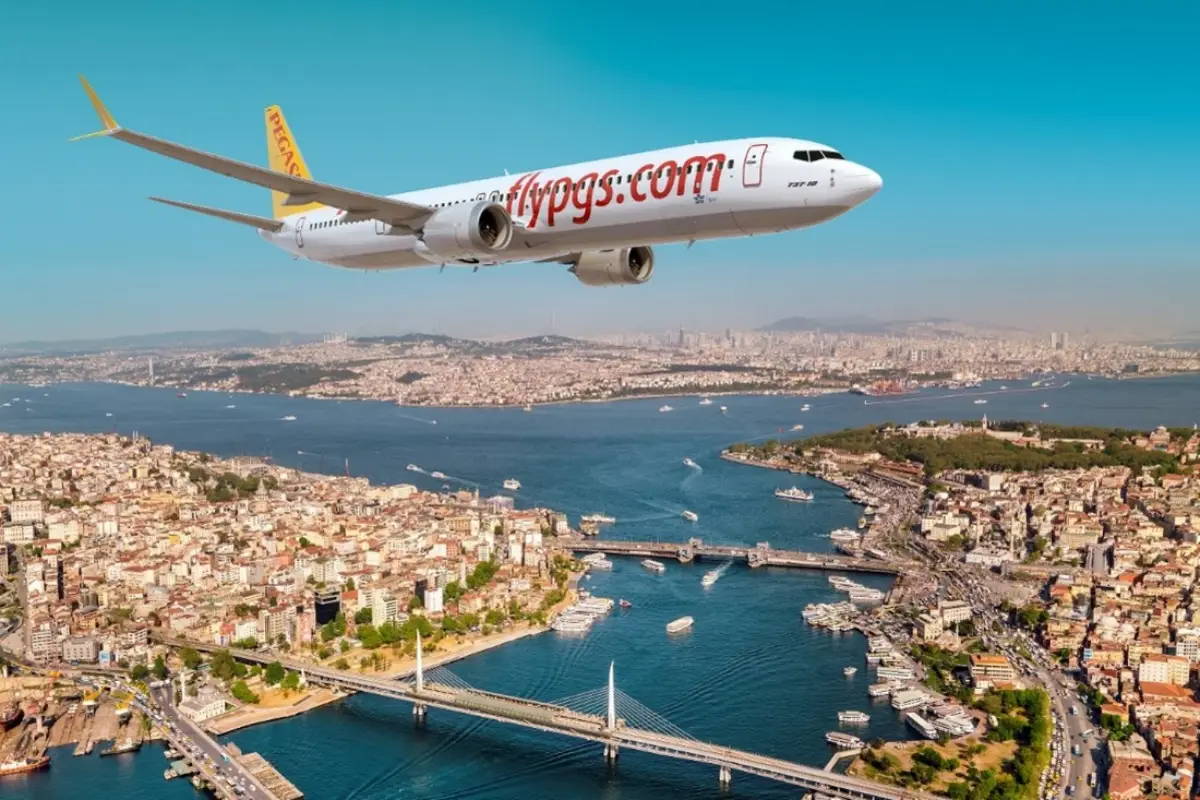
According to Montenegro’s airport operator Aerodromi Crne Gore (ACG), Pegasus Airlines has suspended its flights from Podgorica to Ankara and Izmir until November 29. The decision follows the government’s suspension of visa-free access for Turkish nationals after unrest in Podgorica last month. While flights between Podgorica and Istanbul continue, the freeze underscores the fragile nature of regional travel ties in Southeastern Europe.
Flight suspensions follow growing travel strain
Turkish low-cost carrier Pegasus Airlines, led by Ali Sabancı, had only launched its Ankara and Izmir routes to Podgorica last year. The move was seen as part of a broader effort to strengthen tourism links between Turkey and the Adriatic nation. However, the airline confirmed it will halt both routes temporarily as authorities reassess entry requirements and demand projections.
Montenegro’s decision affects not just airlines but also the growing flow of Turkish tourists and business travelers to the country’s coastal towns. In recent years, Montenegro has become a rising favorite among Turkish visitors for its Adriatic charm, short flight times, and relaxed entry policies. The suspension is expected to cause a wave of trip cancellations, as tour operators and travel agents scramble to adjust itineraries.
Impact on regional tourism connections
While Turkish Airlines and Montenegro Airlines continue their regular flights between the two countries, industry analysts note that the situation could reshape travel demand. Montenegro’s tourism sector, which heavily relies on visitors from nearby markets, may face short-term losses as air capacity declines. Meanwhile, Turkey remains one of the top outbound markets for regional leisure travel, meaning even temporary restrictions can reverberate widely across the Balkan tourism map.
Despite the setback, Montenegro’s travel authorities have not indicated whether the visa suspension will be lifted soon. For now, travelers from Turkey must apply for visas before entry, and those planning trips are advised to check with official consular channels before departure. The episode serves as a reminder of how quickly political or security developments can shift the travel landscape, even in destinations that once seemed seamlessly connected.