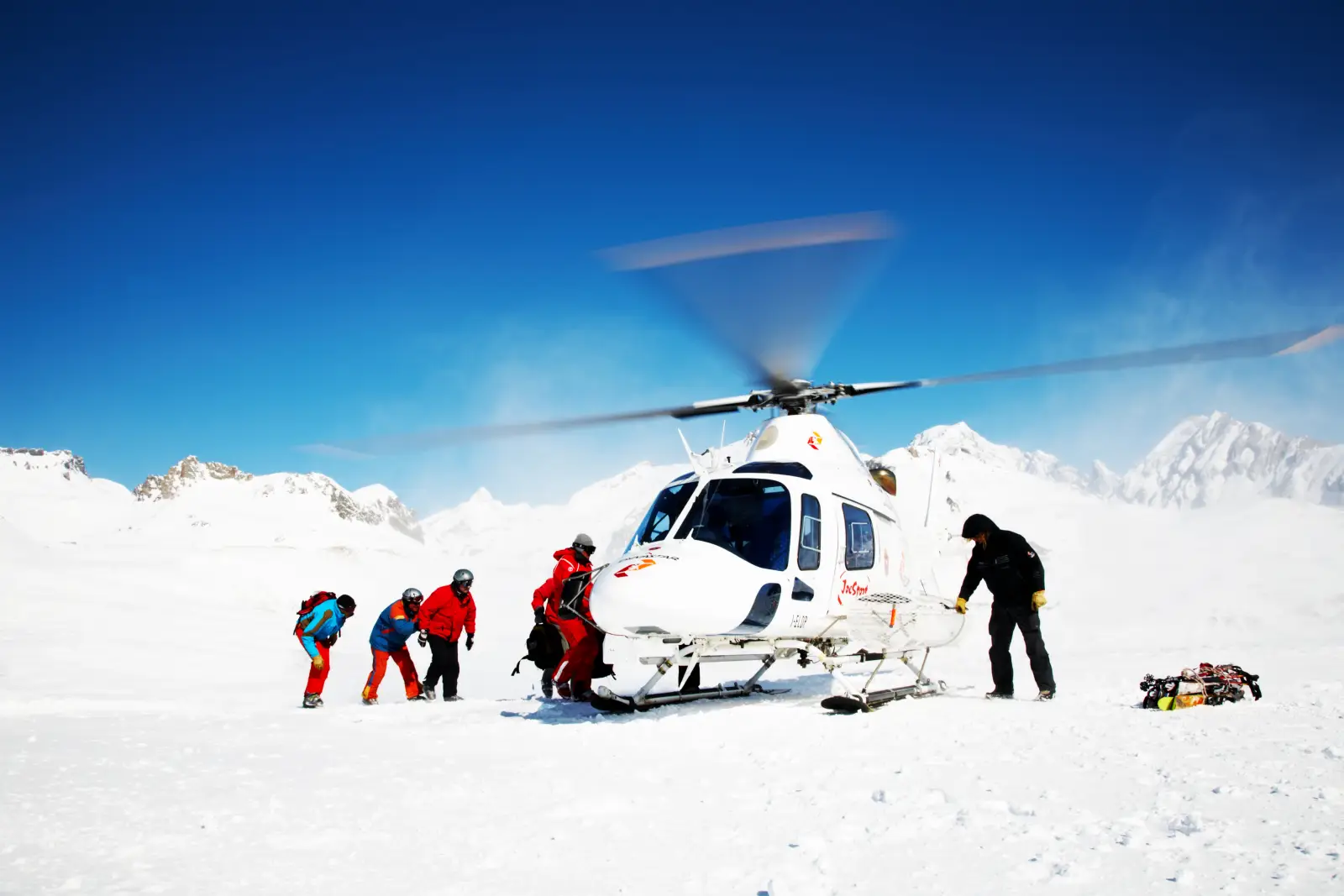
Nepal has charged 32 people in connection with a multi-million euro fraud linked to helicopter rescue operations on Mount Everest, according to local reports. The case centres on allegations that climbers were pressured into unnecessary rescue flights, with insurance companies billed for services that were either inflated or never required.
Investigators estimate the suspected fraud at around €17 million, involving what they describe as a coordinated operation across several companies. Authorities say as many as 300 helicopter rescue flights billed to insurers may have been fraudulent, raising concerns over safety practices and oversight on the world’s highest peak.
The allegations suggest that some mountain guides and operators used deceptive and, in some cases, harmful tactics to trigger rescue situations. According to reports, climbers were deliberately frightened into believing they were at risk, prompting them to agree to evacuation flights.
In more serious claims, some tourists were allegedly given medication intended to prevent altitude sickness but administered incorrectly to induce symptoms. In at least one reported case, baking soda was mixed into food, causing illness that then justified a helicopter evacuation.
Authorities are also investigating claims that some climbers participated in the scheme. When exhausted during their descent, they were allegedly advised to feign symptoms of illness to secure a rescue flight, which could then be billed to insurance providers.
Fraudulent billing practices are said to have included charging multiple times for a single evacuation. In one instance, four climbers transported together on one helicopter were reportedly billed as four separate flights.
The investigation into Everest rescue fraud first emerged in 2018, when initial cases were reported. Officials say the scale of the scheme has since expanded, prompting renewed scrutiny from police and regulators.
At the end of January, six suspects were arrested as part of the ongoing probe. By late March, authorities had formally charged 32 individuals believed to be involved in the operation.
The case has raised wider concerns about trust in guiding companies and rescue services on Mount Everest, a destination that attracts high-paying climbers from around the world. With expeditions costing tens of thousands of euros, climbers rely heavily on local operators for safety, logistics, and emergency response.
Officials say the investigation is ongoing and further charges have not been ruled out as authorities continue to examine the extent of the alleged fraud.
Photo Credit: Roberto Caucino / Shutterstock.com