Tourism follows magnetism. Some magnets are ancient, like a temple on a hill or a beach with patient waves. Casinos are newer, and they have learned quickly. If you can stage anticipation, you can move people. The ones who play, the ones who watch, and the ones who only want the late-night noodles after a show. A small army of cravings, arriving by plane and bus and ferry.
Call it entertainment travel. A weekend stretched into a miniature festival where the gambling floor is an anchor, not the entire itinerary. That framing matters because it explains how casino tourism expanded from one grand room in Monaco to clusters of integrated resorts that command skylines and calendars.
Monaco’s template and the invention of the destination casino
Nineteenth-century Monaco was a strategy disguised as glamour. Location first, the Riviera. Then, there was the architecture, the ceremony, and the quiet choreography of staff who understood theater. The result was a venue that promised stories you could not get at home. Guests traveled for the ambiance as much as the odds.
This became the playbook. Make the casino an inseparable part of the place. Attach it to a view, a promenade, a season, a rumor. The journey should feel inevitable, a narrative that carries you from train carriage to gaming salon without ever breaking the spell.
Las Vegas rewires the weekend
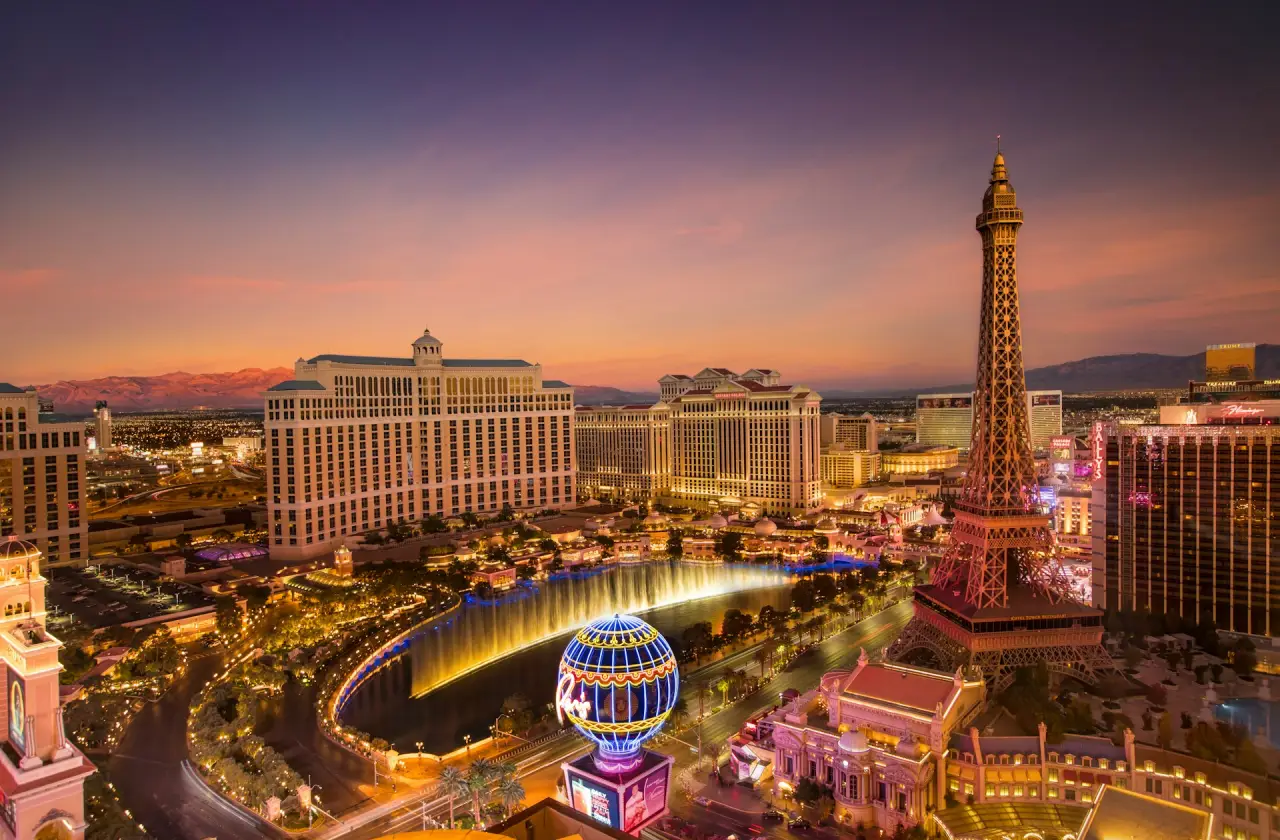
Postwar Las Vegas looked at the template and added velocity. Every decade brought a new thesis. Rat Pack glamour. Theme-park fantasia. Mega-resort modernism. The city learned to sell layers, so you could come for a title fight, then stay for a pool series, then wander into a blackjack lesson because a host smiled at the right time.
The regional flywheel spun faster. Convention traffic fills weekdays. Families took the off-peak deals. Culinary tourism carved its own lane. Casino tourism evolved into the larger category of destination entertainment, where gambling is one experience among many, and where repeat visitation is the real KPI.
Atlantic City: Riverboats and tribal leadership
Policy opened the middle distance. Atlantic City legalized in the 1970s to revive its waterfront and did, for a time, by pulling bus tours and weekenders from dense Northeastern corridors. Riverboat gaming brought pageantry to Midwestern towns and helped reframe historical constraints as themed experiences. Tribal casinos, enabled by federal law and state compacts, built regional hubs that shortened the gap between desire and access.
Together, these venues normalized the casual gaming trip. Not a once-a-year splurge, a quarterly treat. You knew the players’ club desk, the breakfast spot with the strong coffee, and the exit lane that kept you out of Sunday traffic. Familiarity is its own marketing.
Macau and the rise of the integrated resort
Macau’s liberalization in the early 2000s created a laboratory for scale. New operators introduced shopping boulevards, indoor canals, arena concerts, and family attractions that rivaled museums. Revenues climbed, and casino tourism went decisively global, stitched together by ferries, high-speed rail, and hotel corridors the length of city blocks.
Market corrections followed. Junket reliance eased, compliance hardened, and the mass-market guest became central. The headline remained constant. Travelers will cross oceans when the offer is complete. Safety, transit clarity, food diversity, and a sense that every member of the group has something they can claim as their highlight.
Singapore proves the thesis
Singapore packaged credibility and charisma. Strong regulation, distinctive silhouettes, and programming that speaks to families, businesses, and curious locals. You can attend a medical conference, browse an art exhibit, check in on your loyalty tier, and still be in bed before midnight. That balance built trust, and trust builds repeat business.
Cities studied the model. Many borrowed the language of integrated resorts to emphasize that gaming is just one component among hotels, retail, culture, and public spaces. The framing reassures residents and attracts travelers who want stimulation without chaos.
Digital Learning, Physical Loyalty
Online gaming changed how people learn the rituals. Players practice at home, then travel with confidence, which changes spending patterns. They book restaurants in advance. They hunt for limited shows. They compare loyalty programs. In short, they act like travelers with a plan, not wanderers chasing luck. That helps cities manage demand, and it raises expectations across the board.
If you prefer quick primers before you fly, save this for later. Real money casino sites fit naturally here as a simple nudge for bonuses, guides, or whatever you look up before a weekend away. Keep it practical, keep it fun, then go catch your flight.
Modern Casino Tourism, from apps to aircraft
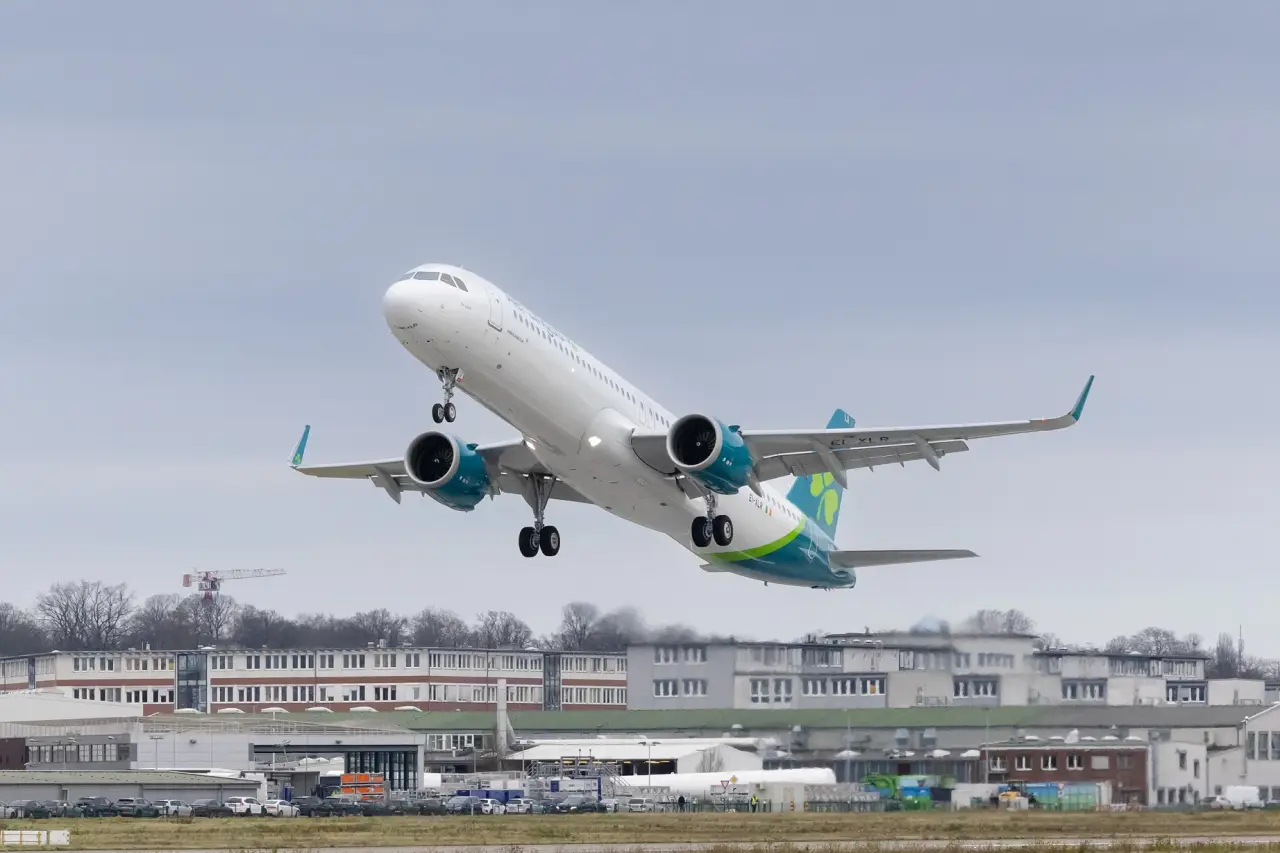
The journey now includes a digital on‑ramp. Airports, lounges, and even aircraft cabins host light gaming that warms up the audience. Delta’s DraftKings collaboration inside Delta Sync is illustrative. It is free to play for eligible SkyMiles members, and it avoids real money mechanics to stay on the right side of current rules. The effect is subtle. You arrive more primed for entertainment, already inside a game loop before the baggage carousel.
Policy debates are active. Some lawmakers cite safety and public health. Others explore limited authorizations tied to origin and destination. Airlines survey customers to gauge appetite, and operators consider loyalty tie‑ins rather than wagers. Regardless of outcomes, the trajectory is useful for planners. A casino trip is no longer a switch that flips when you walk under a chandelier. It is a sequence that starts online, passes through real money casino sites as research and offers, and culminates in a property that earns the highlight of the weekend.
Pandemic pivots and the next decade
Closures hurt, and reopenings were uneven. Yet the rebound revealed durable appetites. The most successful properties leaned into open-air design, clear cleanliness standards, and programming that spread crowds across the day. They also invested in rail links, digital ticketing, and loyalty tools that connect trip planning to on-site choices.
Looking ahead, casino tourism continues to track larger travel trends. Wellness weeks that include a few hours on the floor. Electrified transit. Shows built for streaming snippets. Carbon counts that actually influence procurement. What will not change is the social core. People travel to be near energy, to participate in a shared risk, to collect a memory that sparkles on the ride home.