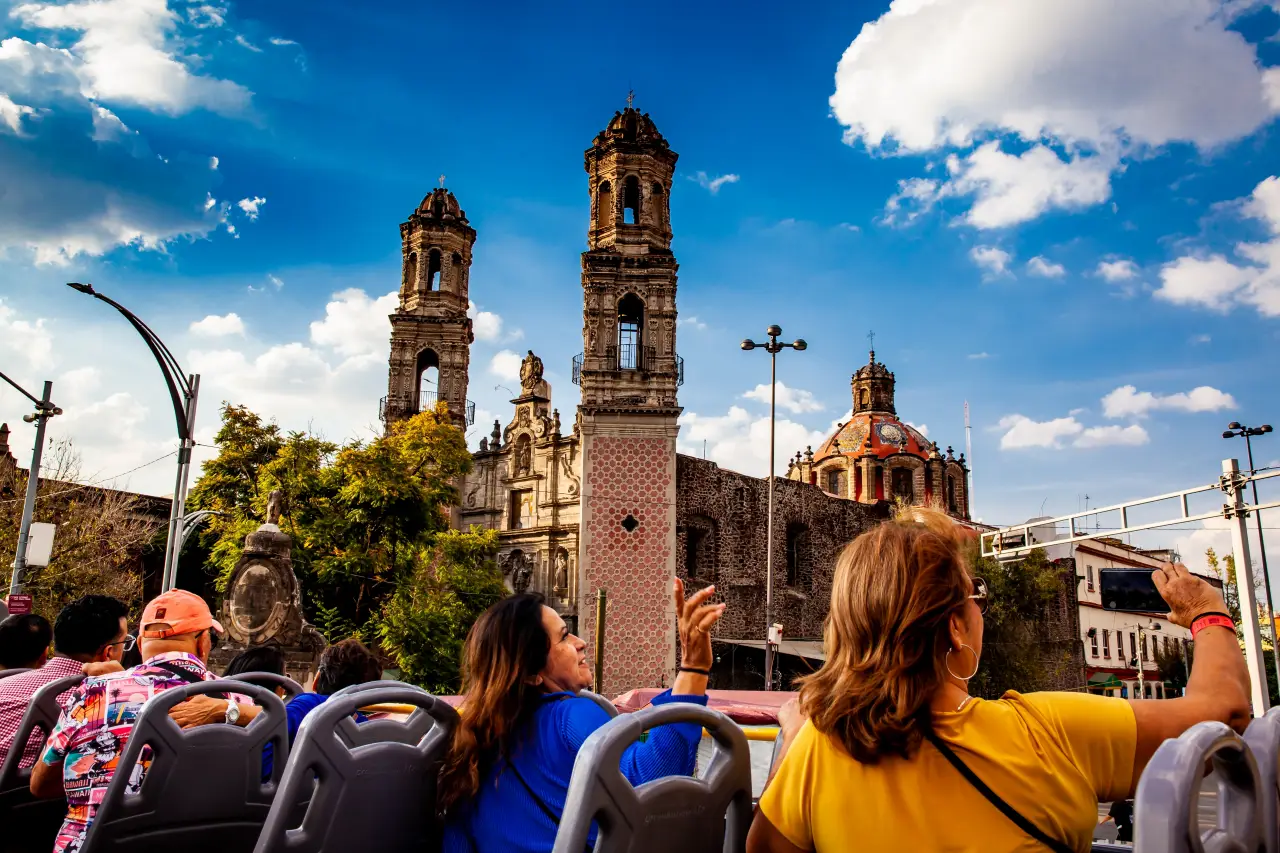
Mexico is bracing for an unprecedented accommodation crunch as the 2026 FIFA World Cup prepares to bring approximately 5.5 million visitors to the country over roughly 40 days.
On peak match days, demand in host cities is expected to far exceed what traditional hotels can supply, pushing authorities and industry figures to look beyond conventional lodging.
Mexico City currently operates around 850 hotels with approximately 62,000 rooms. Between January and June 2025, the capital recorded an average occupancy rate of 65.2% and welcomed more than 7.24 million tourists. Industry estimates now suggest the city could require more than 100,000 accommodation units on the busiest World Cup days.
Short-term rentals step in
Even combining hotel supply with short-term rental platforms, which together account for around 26,000 units in Mexico City, capacity is expected to fall short during critical periods. Experts warn that without complementary measures, a significant share of visitors will face serious difficulties finding lodging.
Flexible accommodation models are increasingly seen as essential to bridging the gap. Industry observers note that artificially restricting this supply does not reduce demand but instead pushes visitors toward unregulated options. Hotel rates have already been climbing in anticipation of the tournament, with some prices rising by very high multiples in the lead-up period.
“The tourism of the future is not just about accumulating visitors, but about tangible well-being,” said José Ángel Díaz Rebolledo, Director of the Faculty of Tourism at Anáhuac University.
Economic ripple effect
Short-term rental platforms contribute a 5% rate to Mexico City’s Lodging Tax, generating direct revenue for public finances alongside federal obligations. The model is also broadening economic participation: approximately 50% of hosts on these platforms are women, and around 15% are older adults who rely on the activity for supplementary income.
Short-term rental inventory currently represents approximately 0.3% of Mexico City’s total housing stock, underlining its complementary role rather than its displacement effect on the wider housing market.
The territorial spread of home-based accommodation is also seen as an economic advantage. Unlike hotels concentrated in established corridors, homestays distribute visitor spending across neighbourhoods and local businesses.
“We are seeing a democratization of tourism. For every dollar a guest spends on lodging, almost four additional dollars are generated in cafes, local transportation, and small neighbourhood businesses. It’s an injection of capital that doesn’t stay locked away in a lobby, but rather irrigates the neighbourhood economy,” said Philippe Boulanger, Vice President of Business Health at CONCANACO.
Analysts point to the 2024 Paris Olympics as a reference point, noting that demand spikes of this kind normalise once major events conclude. The priority for Mexico City, they argue, is managing the peak with flexible tools rather than building permanent infrastructure that risks underuse after the tournament ends.