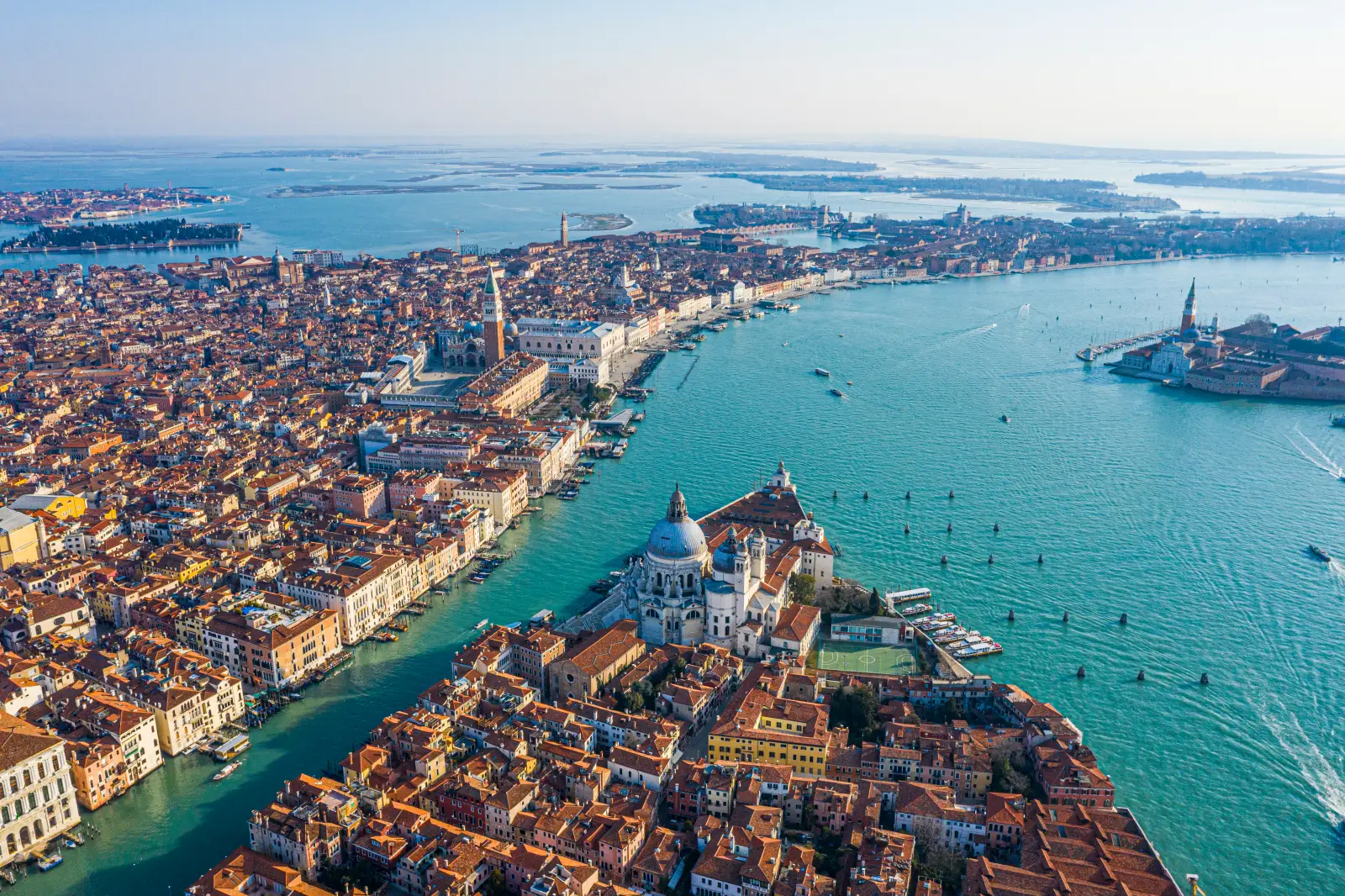
Venice is reinstating its controversial day-visitor entry fee for the spring and summer season in 2026, with a defined calendar of chargeable dates, tiered pricing and clear rules on who must pay and how to book.
The access charge, officially known as the Contributo di Accesso, applies only to day visitors entering the historic centre of Venice on specific high-traffic dates between April 3 and July 26, and only during set midday hours.
The fee does not apply year-round, and overnight guests in registered accommodation within Venice are exempt because they already pay the local overnight tourist tax. On days when it is active, visitors aged 14 or older must obtain a paid-access voucher in advance through the official Venezia Unica platform and present a QR code as proof of payment or exemption.
Dates, Hours and Costs
For 2026, Venetian authorities have published a schedule of 60 chargeable dates when day visitors must pay to enter or remain in the historic centre during the hours of approximately 08:30 to 16:00. Many of these dates fall on weekends or coincide with holiday periods and are aimed at reducing the pressure of peak tourism on the fragile city and its infrastructure.
The calendar begins on April 3 and runs through April 30, then continues through May and June with clustered fee periods, and ends on July 26. Typical April dates include April 3–6, 10–12, 17–19 and April 24–30. In May, the chargeable periods are May 1–3, May 8–10, May 15–17, May 22–24, and May 29–31. In June, the fee periods are June 1–7, June 12–14, June 19–21, and June 26–28. The final stretch in July covers July 3–5, July 10–12, July 17–19, and July 24–26.
On these dates, day visitors must secure an access voucher before arrival. The cost is approximately €5 per person if booked at least four days in advance; bookings made within four days of the visit carry a higher fee of about €10 per person. After booking, visitors receive a QR code that must be presented upon inspection while in the city’s core.
The city’s official notice makes clear that the fee applies only during the stated hours on the chosen dates. Outside those times or the listed dates, there is no access charge for day visitors, although the normal local tourist taxes for accommodation still apply to overnight stays.
Who Pays and Who Is Exempt
The entry fee is intended for day visitors aged 14 and older who enter the historic centre on the designated dates and times. It does not apply to people staying overnight in registered Venice accommodation, who are considered to be paying their contribution through the existing accommodation tax system.
Other categories of people are exempt from the access fee. However, many still need to register and obtain an exemption voucher on the official Venezia Unica platform before arriving in the city. Children under 14 are not required to pay the access charge, nor are residents of Venice and the wider Veneto region. Additional exemptions may apply to local workers, students enrolled in local institutions, people in Venice for medical care or competitive sports events, and holders of recognised disability cards, where an attendant may also be exempt.
Authorities have stressed that even exempt individuals should register in advance for a free exemption voucher. The voucher, also available as a QR code, helps officials quickly verify exemption status when a visitor is stopped during fee hours in the city. Failure to register or to present the correct voucher can result in fines or delays.
Booking is handled through the Venezia Unica website, the official portal for city entry contributions and tourist services. Users select their intended date and either pay the applicable fee or register for an exemption; after that, the system issues a QR code. This digital confirmation is required for every person in the travelling party, whether they are paying or exempt.
Venice first trialled a version of the access charge in recent years to manage overwhelming tourist numbers in its narrow streets and fragile lagoon environment. In 2024, the revenue received exceeded expectations. The scheme was paused at times, but 2026 marks the return of a more structured calendar and pricing model. Officials say the aim is to spread visitor numbers more sustainably across the busiest months, alleviate congestion around key landmarks, and fund city services and conservation efforts.
For travellers, the key takeaways are straightforward: if you plan a day trip to Venice between early April and late July 2026, check whether your date appears on the chargeable calendar, book your access voucher in advance to avoid higher late fees, and ensure every member of your group carries their QR confirmation. Those staying overnight should still register for an exemption voucher even though they do not pay the day fee.
Understanding these requirements before you travel will help avoid unexpected charges or complications at Venice’s entry points, letting you focus on experiencing the canals, art and history of one of Italy’s most iconic cities.
- What it is: Venice entry fee 2026 applies to day visitors entering the historic centre on selected peak dates.
- When it applies: 60 days between April 3 and July 26, typically from about 08:30 to 16:00.
- How much it costs: About €5 if booked at least four days ahead, rising to about €10 for late bookings.
- Who pays: Day visitors aged 14 and over visiting on chargeable dates and hours.
- Who is exempt: Overnight guests in Venice accommodation, children under 14, Venice and Veneto residents, and some special categories — but registration is still usually required.
- How to book: Reserve and pay, or register for an exemption, on the official Venezia Unica platform.
- What you need to carry: A QR code confirming payment or exemption for each person in your group.
- Why it exists: To manage overtourism, reduce congestion and support city services and conservation.
Photo Credit: f11photo / Shutterstock.com