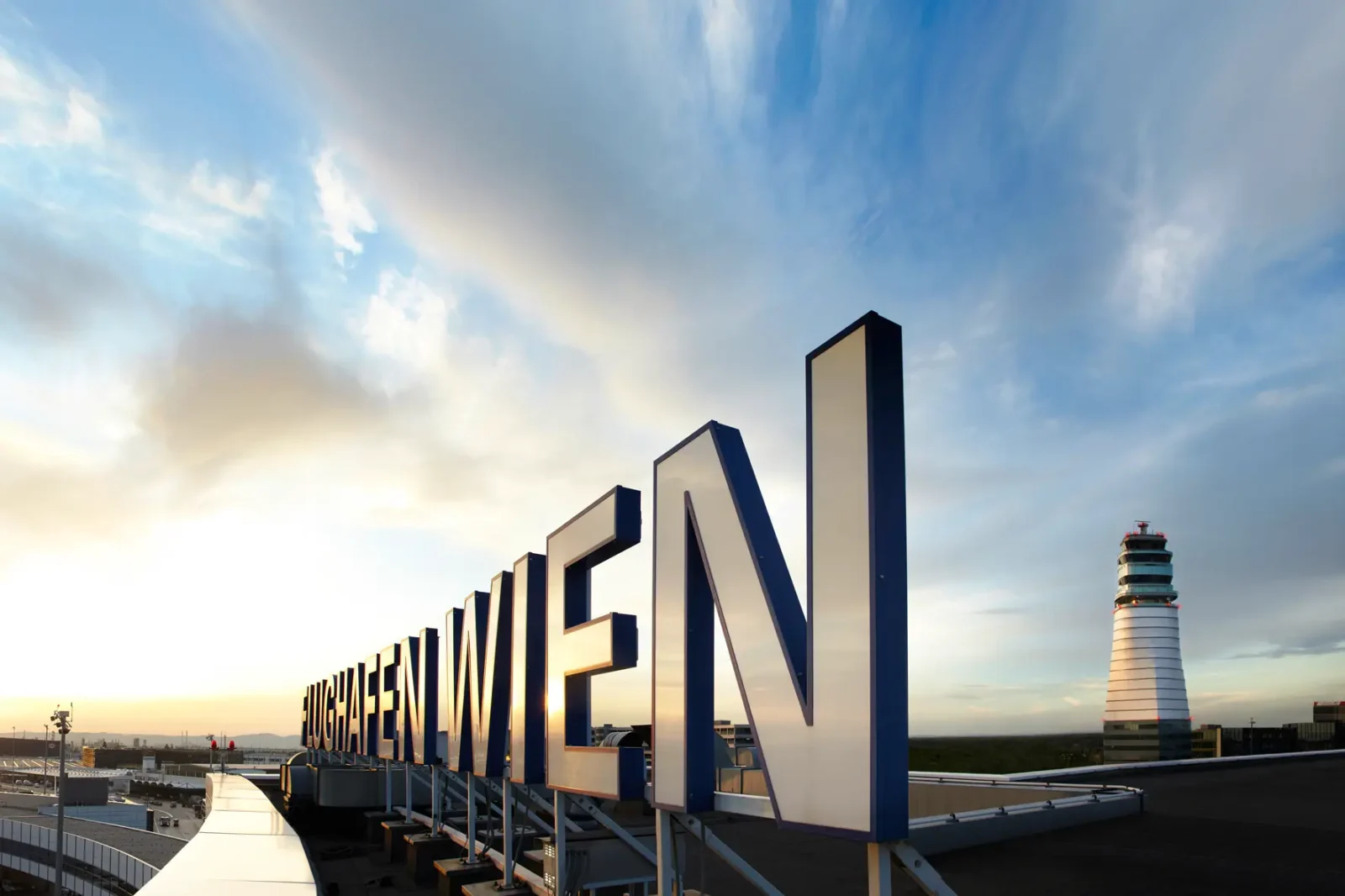
Flughafen Wien AG has ended its long-planned project to build a third runway at Vienna Airport after determining that rising costs, altered market conditions, and lack of airline support no longer justify the investment. The company announced the decision following a review of construction estimates that have increased to around €2 billion and an assessment of shifting operational needs.
The management board said the airport can continue expanding under its existing two-runway system by enlarging terminal capacity and managing up to 52 million passengers per year. The decision follows years of delays in the approval process and ongoing legal uncertainty surrounding a pending ruling by the Administrative Court of Justice.
Costs, Demand and Airline Support Shape Final Decision
Flughafen Wien AG said the cost projections for the 3rd runway have risen significantly, with the construction estimate now reaching approximately €2 billion. The company noted that the extended approval timeline has altered conditions since the project was first proposed. “In 2005, 71 passengers were transported per flight movement; by 2024, the use of larger aircraft had increased this to 139 passengers, thus easing the pressure on runway capacity,” said Julian Jäger and Günther Ofner, members of the Management Board of Flughafen Wien AG.
The board also cited opposition from its largest airline customers, whose support is essential for project financing. Without the ability to refinance the runway through higher fares, the airport determined that the investment would not be economically viable. The company added that a still-pending court decision regarding a modification ruling in the extension of the construction period contributed to the decision to halt the project.
Financial and Operational Impacts
The airport emphasized that the cancellation does not prevent future reconsideration of a new runway if demand and regulatory conditions change. Flughafen Wien AG said that any future runway proposal would require a completely new approval process and evidence of renewed operational need.
As a result of the decision, payments totaling €55.9 million made between 2018 and 2020 under a mediation agreement to the environmental fund and neighboring communities will be removed from the 2025 accounts. The company said this adjustment will not affect liquidity. The change in accounting treatment reflects the funds’ original designation for the now-cancelled runway project.
The revised financial outlook includes updated guidance for 2025 net income before minority interests. Flughafen Wien AG now forecasts approximately €210 million, compared to earlier expectations of around €230 million. The company noted that this guidance also incorporates stronger-than-expected traffic development in recent weeks, partly offsetting the impact of the accounting changes.
The airport’s ability to handle future growth without a third runway is supported by aircraft trends, particularly the rising use of larger planes capable of carrying more passengers per movement. This shift has alleviated some of the pressure on runway capacity that had originally prompted the need for expansion. The company believes that planned terminal enhancements will allow Vienna Airport to accommodate continued increases in passenger traffic.
The cancellation ends one of the most significant infrastructure debates in Austria’s aviation sector. The third runway project had faced prolonged legal, environmental and political challenges, including the lengthy appeals process that remains unresolved. Flughafen Wien AG said today’s decision acknowledges these constraints while aligning future investment priorities with the airport’s operational realities and airline demands.
While a new runway is no longer part of Vienna Airport’s near-term plans, the management board said the possibility could be revisited in the distant future if market conditions support renewed demand. For now, the airport will focus on maximizing capacity within its existing infrastructure and advancing terminal expansion projects designed to meet long-term passenger needs.