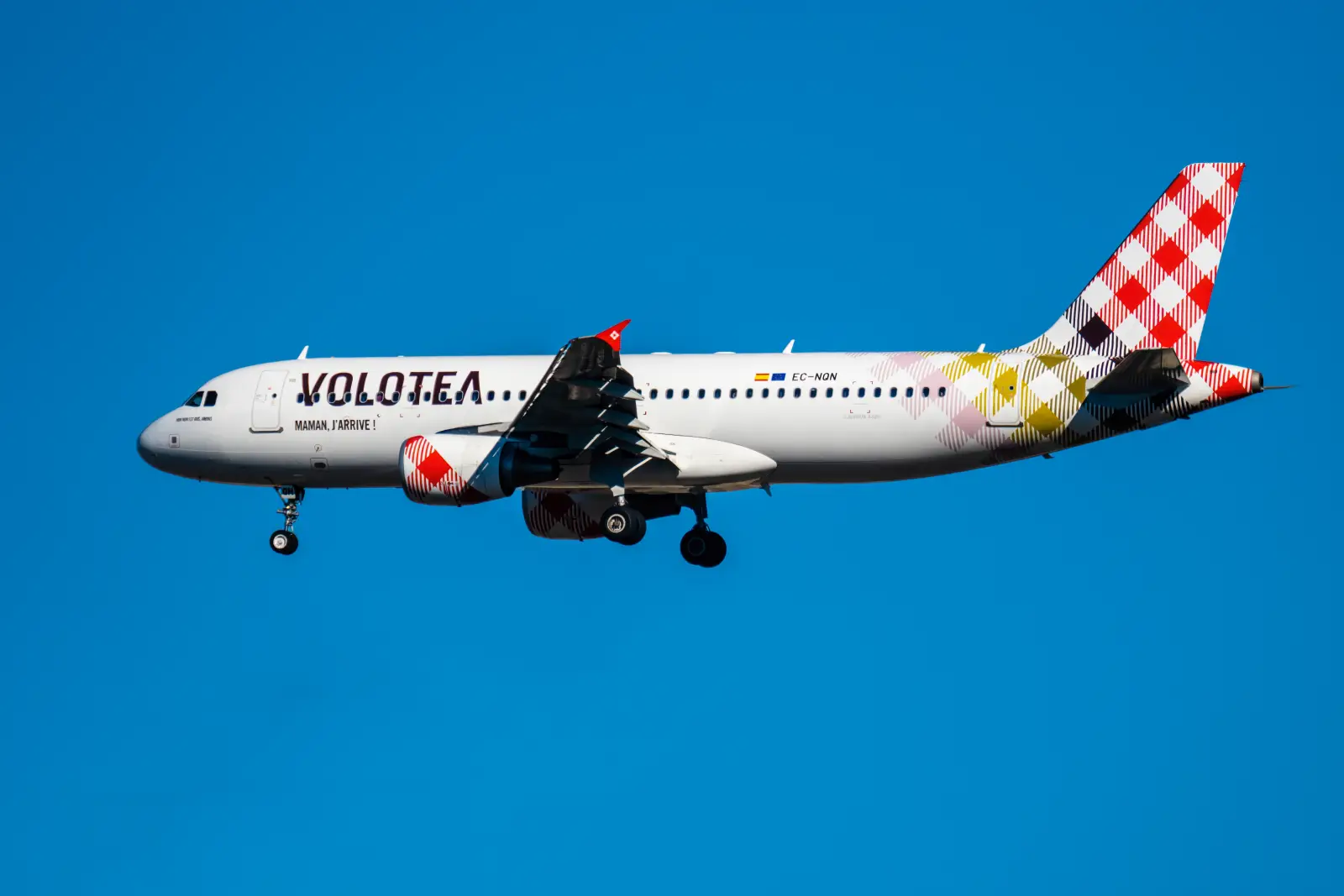
Volotea has partially withdrawn a controversial fuel surcharge after complaints from French travel agencies and warnings from authorities that sanctions could follow if the airline failed to change its pricing practices.
The Spanish low-cost carrier told travel agencies using API booking systems that it had removed the surcharge, known as the “precio justo” or “fair price” fee, from that sales channel. However, the airline said it would replace the charge with a temporary equivalent applied at the time of purchase for bookings made after 3 May. Reservations made before that date will not face the additional fee.
Travel agencies had criticised the surcharge because they said it appeared late in the booking process, raising concerns over pricing transparency and unexpected increases in ticket costs.
The airline has kept the surcharge in place on its direct booking website, prompting the French Association of Travel Agencies to file a complaint with France’s Competition Directorate.
The dispute has increased pressure on Volotea from both regulators and the travel trade. France’s tourism minister warned that fraud officers would “impose sanctions if there are last-minute price increases on plane tickets”, adding that the measure would be scrutinised regardless of whether it was described as a “fair price” mechanism or not.
Gilles Gosselin, Volotea’s France director, defended the system and said it had been “developed under the supervision of five law firms specialised in consumer law and air transport law”. He said the airline considered the model more fair and transparent for passengers.
The airline’s latest move addressed part of the criticism but left the wider dispute unresolved. By removing the surcharge from one booking channel while maintaining it on another, Volotea has continued to face questions over how airlines should apply additional charges and display ticket prices.
The complaint filed by the French travel agencies marks a formal escalation in a dispute that has drawn wider attention across the aviation sector. Travel groups have become increasingly vocal about surcharges and add-on fees that can alter the final ticket price after the initial fare is displayed.
The case also highlights the growing complexity of airline distribution systems. Agencies connected through automated booking platforms rely on live pricing and integrated reservation technology, while airlines often apply separate commercial strategies to direct online sales.
That distinction has become central to the disagreement. Agencies argue the changes create confusion for customers and force costly operational adjustments, while Volotea maintains that its revised approach offers a clearer way to manage fuel-related costs.
French authorities have signalled they are continuing to monitor the situation closely. The threat of sanctions, combined with the formal complaint from travel agencies, suggests the airline could face further scrutiny if the issue is not resolved.
For now, Volotea has only partially stepped back from the disputed surcharge policy, leaving broader questions over airline pricing transparency and consumer protection unresolved.
Photo Credit: JJFarq / Shutterstock.com