Summer 2025 travel trends are revealing a notable shift in preferences among German tourists. While Turkey has long held a top position as a favorite holiday destination, early booking data indicates a significant drop in interest. Instead, countries like Greece, Bulgaria, and Egypt are seeing measurable gains in bookings as travelers prioritize value, flexibility, and more temperate seasonal options.
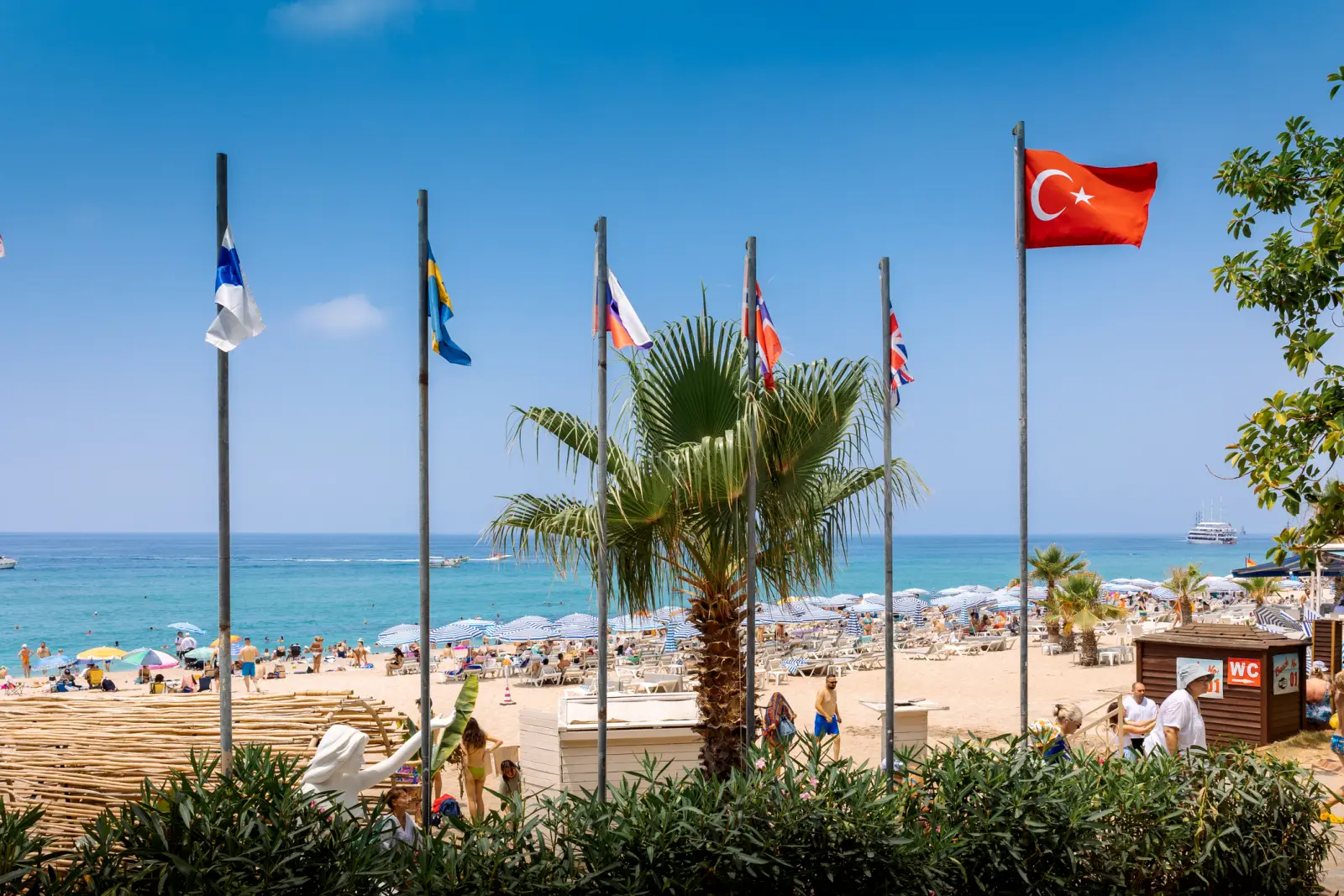
According to the TDA (Travel Data + Analytics), which analyzes booking figures from travel agencies and tour operator platforms, Turkey is facing a 10% decline in bookings compared to the same period last year. The Turkish Riviera alone has seen a 12% drop, despite aggressive last-minute discounting by hoteliers. Economic challenges, such as rising hotel prices driven by inflation, appear to be a key deterrent for German travelers who have historically flocked to the country’s sun-drenched coastlines.
Greece Emerges as a Front-Runner
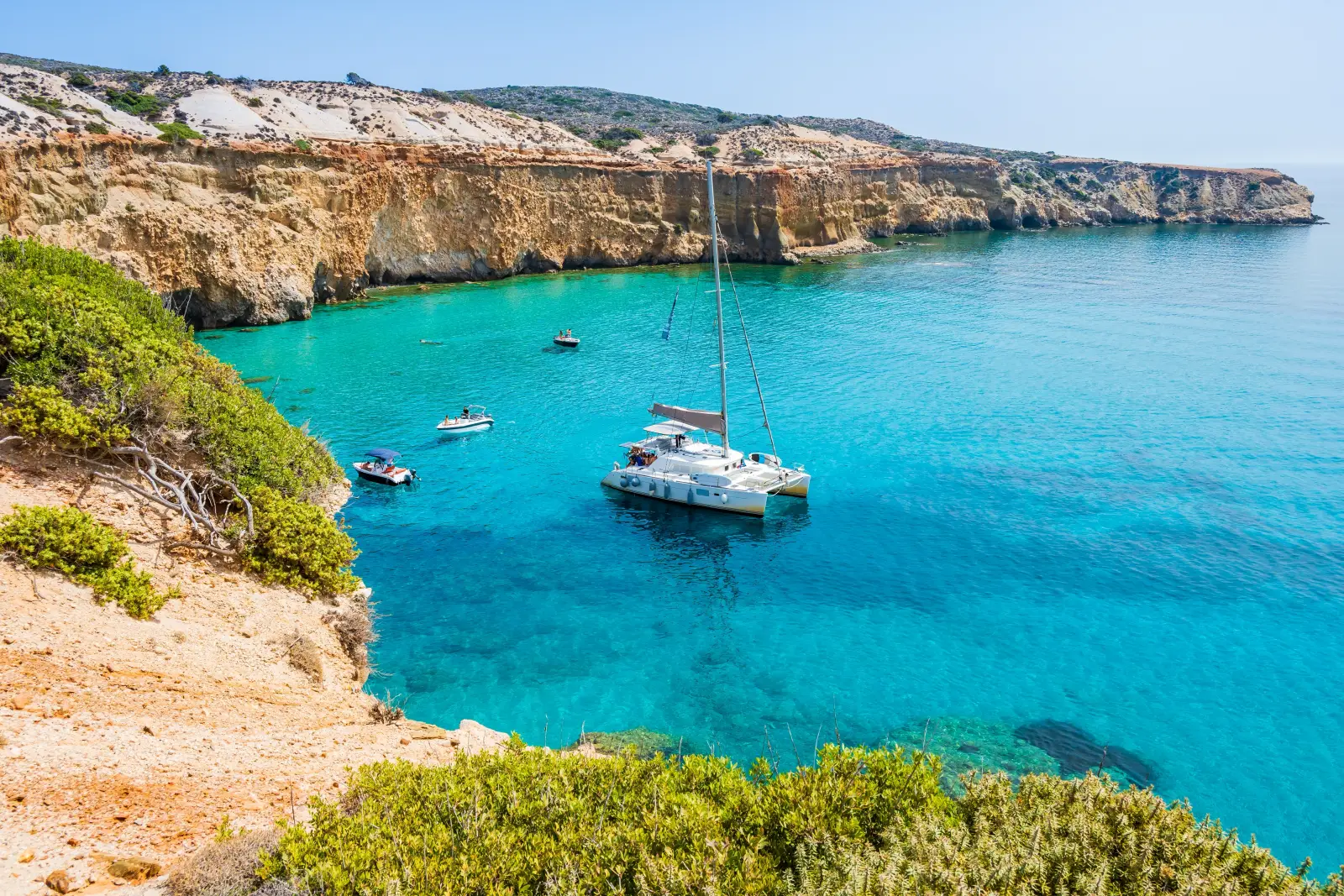
In contrast, Greece is building on its 2024 success, when it welcomed 5.4 million German tourists. Early 2025 data suggests another record-breaking year could be in store. Tour operators report strong performance across the Greek islands and mainland, helped by the country’s consistent weather, cultural attractions, and competitive pricing.
This surge places Greece among the few Mediterranean destinations with rising popularity. Unlike Turkey and Spain—which are both showing declines—Greece is meeting German travelers’ current expectations for affordability and quality. The average booking duration remains similar to previous years, although travelers are now making their reservations earlier to take advantage of promotional pricing.
Spain Holds Its Lead, But Slips in Share
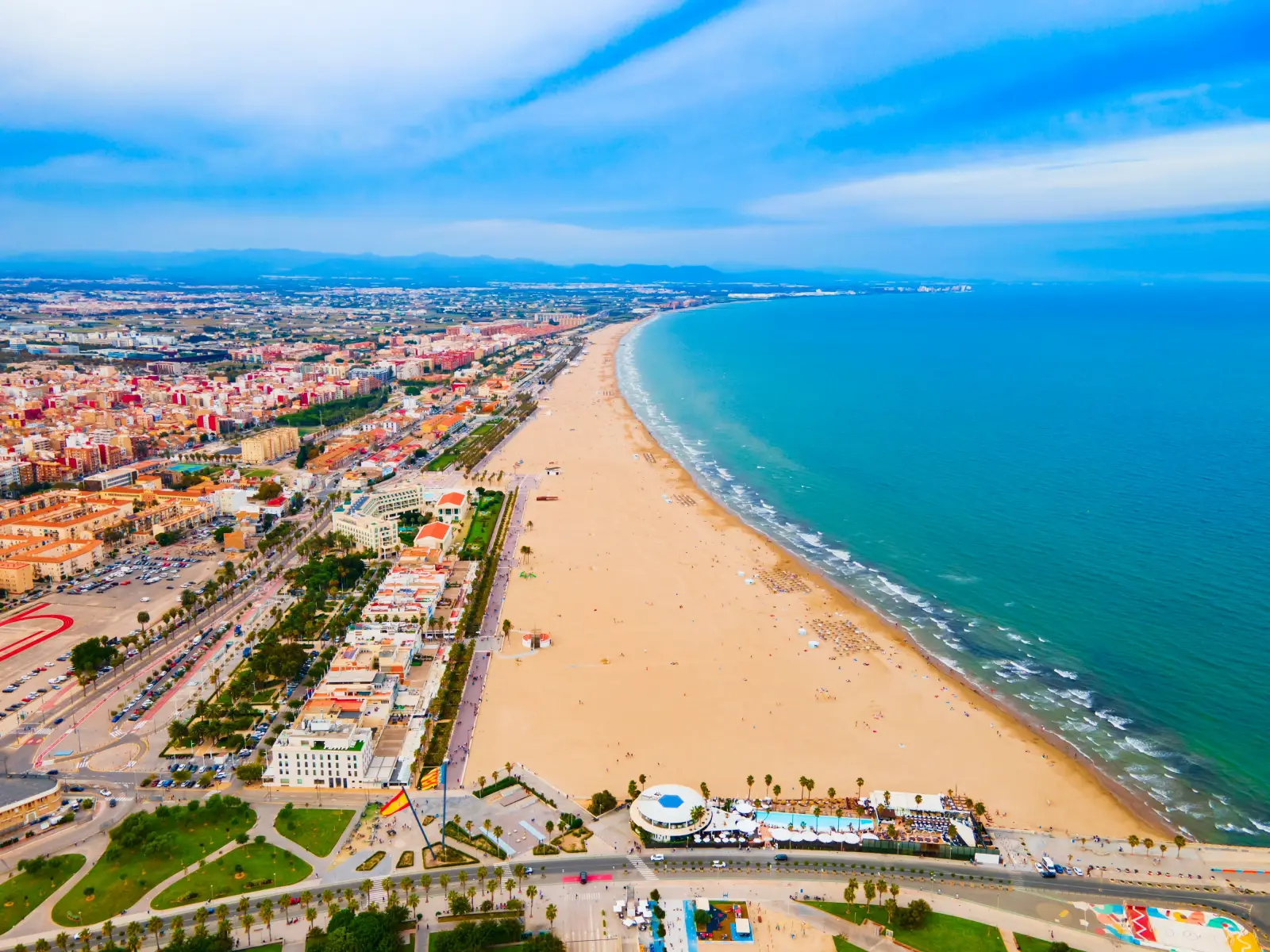
Spain remains the most popular destination for German tour operator customers, accounting for approximately 30% of all bookings. However, it too has seen a 4% year-on-year decline. The Canary Islands continue to perform well during winter, while the Balearic Islands and mainland Spain are summer staples. Yet high seasonal pricing and a growing preference for alternative destinations are beginning to chip away at Spain’s long-held dominance.
The cost factor is particularly stark when comparing per-night prices: while Majorca averages €141 per person, destinations like Bulgaria’s Black Sea coast and Egypt’s Marsa Alam offer comparable experiences at just over €110 per night. This discrepancy is prompting families to reconsider their travel plans.
Budget-Friendly Destinations on the Rise
Bulgaria stands out with a remarkable 25% rise in bookings, followed by Cyprus (15%), Egypt (12%), Poland (9%), and France (8%). These countries offer a compelling mix of affordability and family-friendly amenities, making them attractive alternatives during a summer shaped by economic caution and climate considerations.
Tunisia is also benefiting from its competitive pricing. On the holiday island of Djerba, value-for-money is drawing attention away from more expensive Mediterranean rivals. For many German households struggling with inflation and rising living costs, destinations offering lower prices without compromising on experience are gaining popularity.
Changing Seasonality and Booking Behavior
The traditional July-August peak season is no longer a certainty. Between 2019 and 2024, October holiday bookings among German travelers rose by 25%, suggesting a growing trend toward shoulder season travel. Extreme summer heat and unpredictable wildfires in Southern Europe are prompting many to shift their holidays to spring and autumn, when temperatures are milder and crowds thinner.
Tour operators are responding by extending their offerings across more months of the year. Summer bookings in 2024 had already started as early as November 2023, with more customers—especially families—eager to lock in early bird rates and child discounts. Average booking lead times increased to 109 days before departure, up 9% from the year before.
Shorter Trips, Smarter Planning
Another emerging pattern is the shortening of vacation length. The average duration of organized trips has declined by 5%, from 9.5 to 9.0 days over the past five years. Germans are seeking shorter, more affordable getaways that still offer a quality experience. This shift also reflects broader lifestyle changes and increased workplace flexibility that support multiple shorter breaks instead of one long annual holiday.
Experts believe this fragmentation of the travel calendar will benefit less crowded destinations and reduce the strain on traditional hot spots. If pricing pressure continues into 2026, it’s likely that the current booking behaviors will become a long-term trend rather than a temporary response.
What’s Next for Turkey?
Turkey’s reliance on the German and Russian markets means that simultaneous declines from both could prove especially challenging. While Turkish hoteliers are slashing prices in response, it may not be enough to recapture lost momentum, particularly if inflation continues to drive up costs.
That said, the Aegean region appears more resilient, holding steady in German booking data. If Turkey can stabilize its pricing and deliver consistent value, especially in less-touristed areas, it may reclaim some of its former appeal. But for now, travelers are casting their eyes elsewhere, and countries offering lower prices without sacrificing quality are rising to the top of the summer 2025 list.