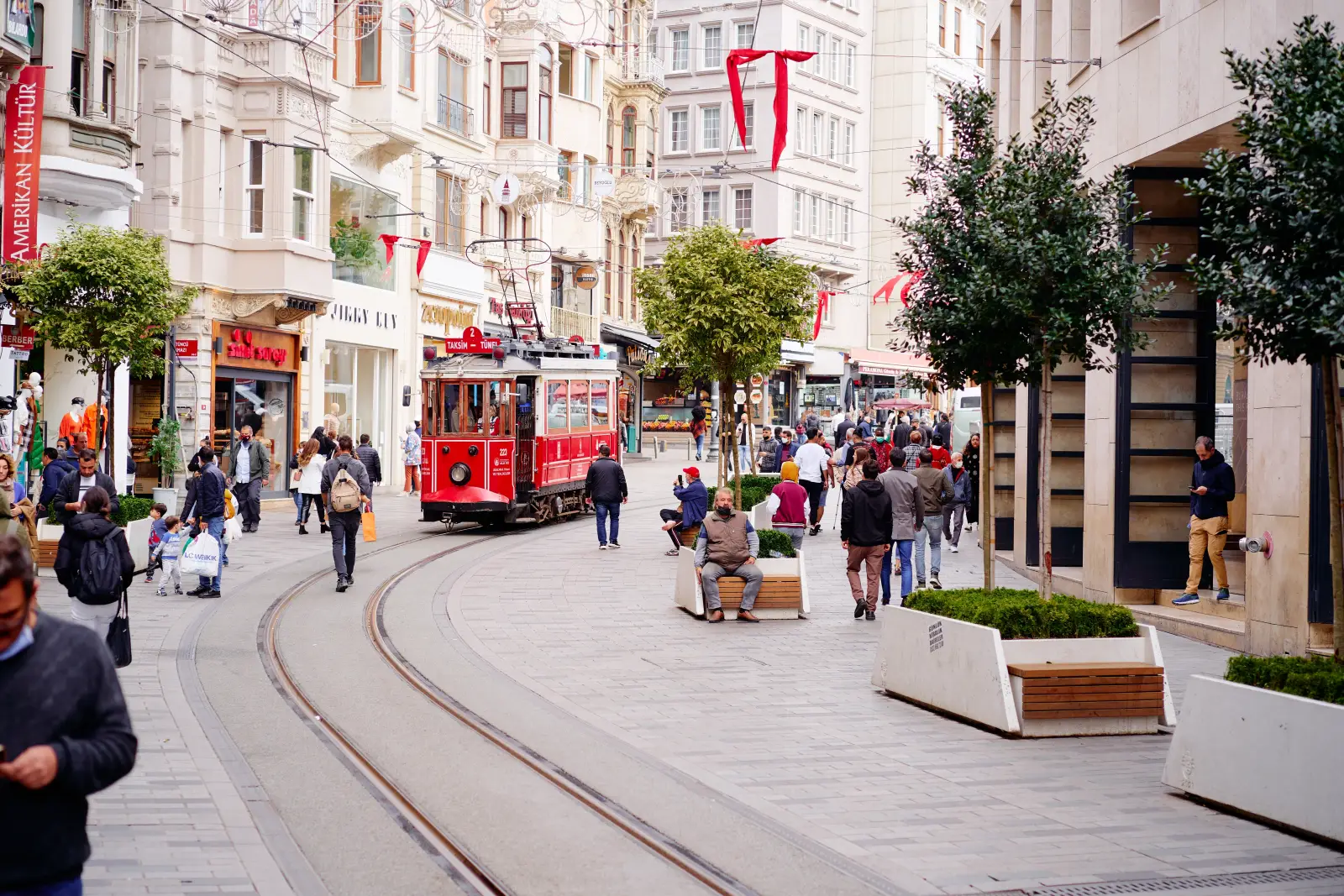
Istanbul’s city hotels are reporting high occupancy levels this autumn as visitor demand surpasses expectations. Bookings from Europe, the United States, and increasingly China are driving the surge, with steady reservations continuing into October and November.
The trend marks a strong close to the year for Türkiye’s tourism hub. Industry leaders say autumn visitors are spending more within the city than summer tourists, benefiting museums, cultural venues, and business districts. The upswing follows a robust September and reflects Istanbul’s growing appeal as a year-round destination.
European and U.S. Travelers Lead the Recovery
According to the Turkish Hoteliers Association (TÜROB), Istanbul hosted 12.4 million foreign visitors between January and August 2025, accounting for 34.9 percent of Türkiye’s total international arrivals during the period. The city remains the country’s top tourism draw, supported by increased flight connections and extended travel seasons.
Müberra Eresin, president of TÜROB, said global travel patterns have shifted later in the year due to changing economic conditions and traveler preferences. “Demand began to rise from mid-July, and both occupancy and average room rates recovered. August and September were strong and expectations for October are also positive,” she said. However, she noted that a weaker first half of 2025 may limit full-year growth despite the current momentum.
Eresin also highlighted that while arrivals from the Middle East have slowed in recent years, the European market is expanding rapidly, and Chinese tourism is gaining pace as more air links are restored. This diversification, she said, has helped stabilize the city’s hotel sector and reduce dependence on regional markets.
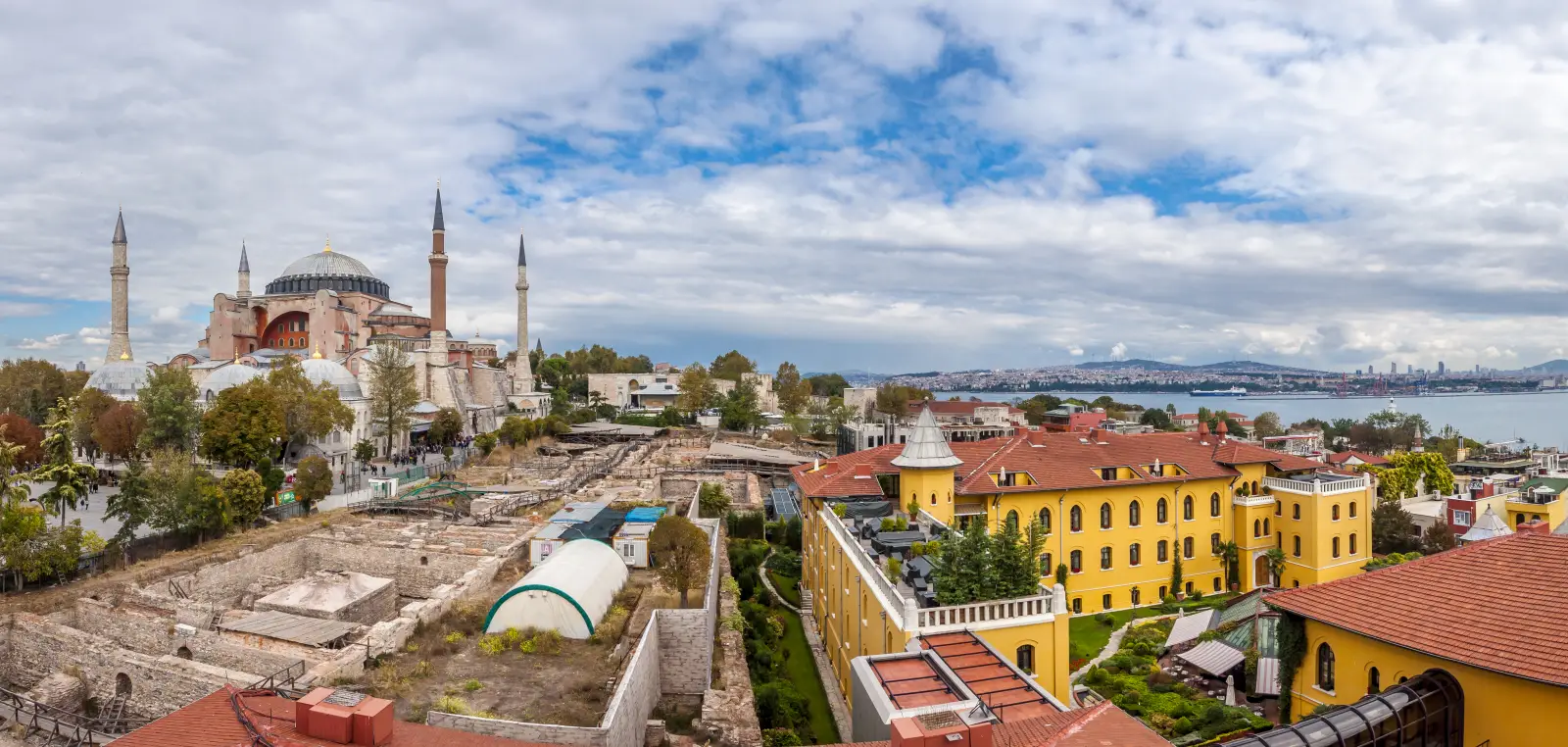
Climate and Culture Extend Istanbul’s Travel Season
Arcan Bayraktaroğlu, head of operations for Wyndham Hotels & Resorts in Türkiye, said the country has moved beyond its traditional “sea-sand-sun” image. “Tourists now begin with Istanbul and then travel on to other cities. The strength of the Istanbul brand supports urban tourism nationwide,” he said.
Bayraktaroğlu added that climate change is reshaping travel behavior, with many tourists favoring autumn over increasingly hot summers. Wyndham properties in Türkiye are seeing strong demand from Russia, Germany, the U.K., and the Middle East, with rising interest from Poland, Italy, and South America. The broader mix of source markets is contributing to higher occupancy across the city.
Dedeman Hospitality chairman Ergün Demiray described Istanbul as one of the world’s most dynamic destinations, noting that autumn’s strength comes from three key factors: the end of the summer holiday period, a packed cultural calendar, and a busy schedule of business events. He cited major attractions such as the Istanbul Biennial and Contemporary Istanbul art fair, as well as the return of congresses and trade shows that boost corporate travel.
Hasan Ekmen, Türkiye regional director for Barceló Hotel Group, said the company has hosted guests from 162 countries this year, reflecting the city’s international appeal. “Demand from the Americas and Europe remains strong, while arrivals from the Middle East have softened and interest from Asia is growing,” he said. Ekmen added that cultural events, affordable pricing, and the seasonal appeal of destinations such as Istanbul and Cappadocia are driving the latest surge in urban tourism.
Industry leaders expect the current momentum to continue through November, with city hotels maintaining solid occupancy and steady average rates. While 2026 is expected to bring new challenges linked to economic pressures and global competition, executives remain confident that Istanbul’s brand strength, cultural diversity, and improved connectivity will support sustained recovery.
The positive outlook underscores how Istanbul’s tourism sector has diversified beyond peak summer demand. With international arrivals broadening and autumn now emerging as a prime travel season, the city continues to reinforce its position as one of Europe’s most resilient urban tourism markets.
Top Photo Credit: kudla / Shutterstock.com