South Korea has imposed a travel ban on parts of Cambodia after several of its citizens were kidnapped, tortured, and killed in connection with job scam operations run by criminal syndicates.
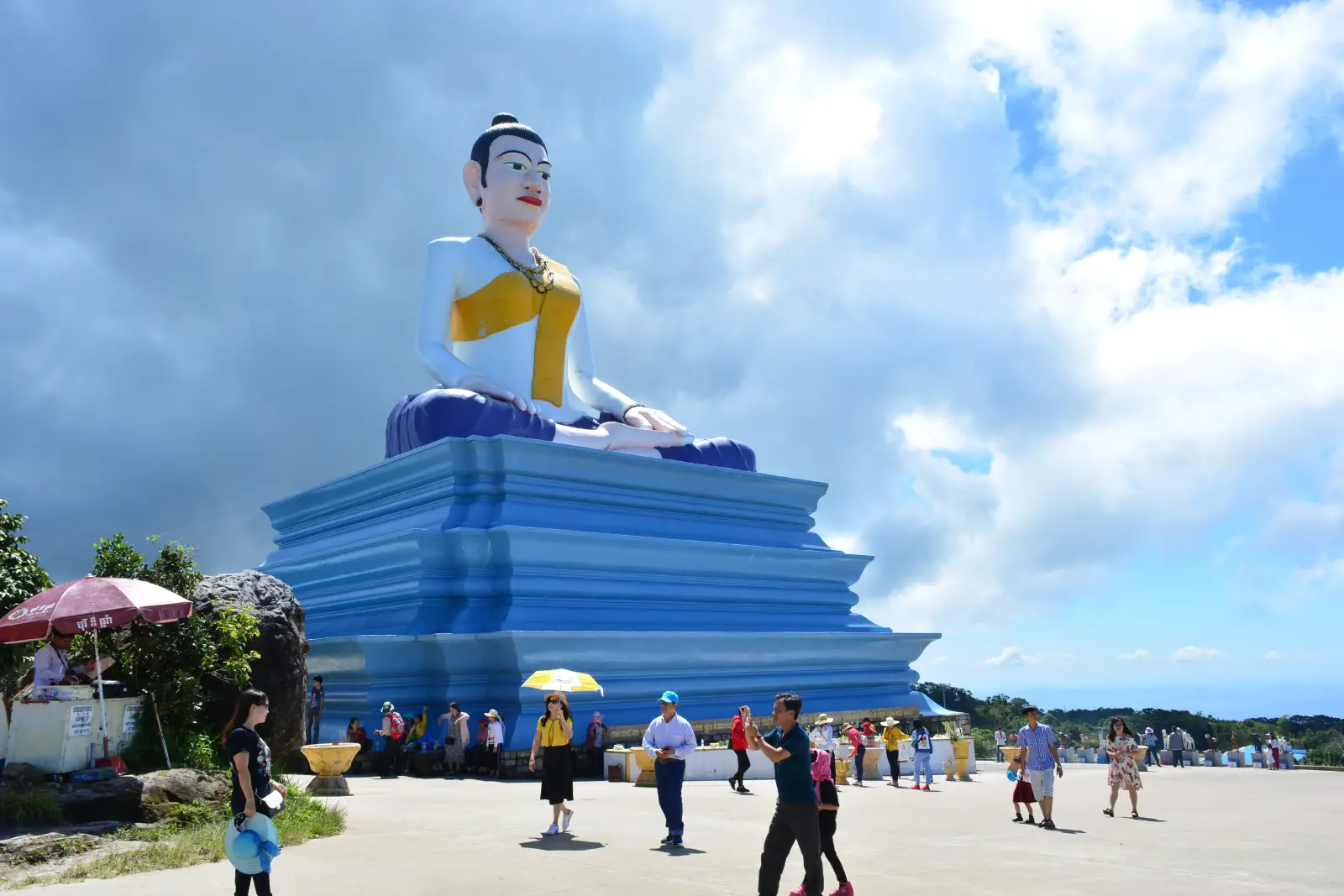
The Foreign Ministry said the Level 4 “no travel” advisory—the highest under the country’s four-tier warning system—applies to Cambodia’s Bokor Mountain region in Kampot province, and the border cities of Bavet and Poipet.
The decision follows a series of violent incidents targeting South Korean nationals, including the death of 22-year-old student Park Min-ho, who was found near Bokor Mountain in August after being tortured by criminals. Seoul has also advised its citizens to leave Sihanoukville province, citing a high concentration of organized crime groups operating in the area.
South Korea Deploys Joint Task Force to Cambodia
South Korea’s presidential office announced the deployment of a joint response team to Cambodia to assist local authorities and coordinate the protection of its nationals. The team, led by Vice Foreign Minister Kim Jina, includes intelligence and law enforcement officials to help investigate reports of kidnappings and job scam networks across the country.
The Foreign Ministry said it imposed the travel ban “to protect South Korean nationals from further harm” after multiple reports of abduction and detention emerged. Officials confirmed that as of Tuesday, around 80 South Koreans linked to job scams remain missing or unaccounted for. The ministry said it aims to secure their safe return in cooperation with Cambodian authorities.
The ban and evacuation advisory come amid mounting public concern following several high-profile cases involving South Koreans lured to Cambodia by fraudulent online job offers. Many of the victims were promised employment in technology or customer service but were instead detained in compounds operated by criminal groups engaged in cyber fraud and human trafficking.
Cambodia Pledges Cooperation Following Diplomatic Pressure
The Cambodian Interior Ministry pledged to cooperate fully with Seoul following the outcry over the recent killing. Cambodian officials said they had detained three Chinese nationals on charges of murder and online fraud in connection with Park Min-ho’s death and were searching for two additional suspects.
Cambodia’s government also said authorities had “rescued approximately 80 South Korean nationals” during recent raids on cybercrime and scam centers. “We are committed to protecting all foreign nationals and dismantling criminal networks operating within Cambodia,” the Interior Ministry said.
Despite the arrests, Seoul’s Foreign Ministry maintains that the situation remains dangerous. It has warned that additional regions may face upgraded advisories if criminal activities continue to target foreign nationals. South Korea’s travel warning system classifies Level 4 as a complete prohibition, making travel to designated areas illegal without government authorization.
Public Reaction and Wider Impact on Regional Travel
South Koreans have begun canceling or postponing trips to Cambodia and nearby Southeast Asian destinations amid growing safety concerns. The ministry’s earlier advisories—covering Phnom Penh, Sihanoukville, and Bokor Mountain—have prompted local governments, volunteer groups, and travel companies to suspend overseas missions and tourism programs.
According to the South Korean media, more than 550 South Koreans are currently listed as missing or otherwise linked to criminal networks in Cambodia. Lawmakers have called for stronger diplomatic pressure and enhanced coordination with ASEAN partners to combat cross-border crime. President Lee Jae Myung has directed ministries to use “every available resource” to safeguard citizens abroad.
Diplomatic analysts in Seoul say the government’s options include expanding bilateral law enforcement cooperation, tightening visa controls, and using official development assistance (ODA) as leverage. However, experts caution that punitive measures could strain relations with Cambodia and push Phnom Penh closer to other strategic partners. South Korean officials have indicated that no such actions are planned at this stage.
South Korea’s travel ban underscores growing regional concerns over transnational crime networks that have spread through parts of Southeast Asia in recent years. Cyber scam operations—often backed by organized crime groups—have trapped thousands of foreign nationals across Cambodia, Myanmar, and Laos. Human rights groups estimate that hundreds of victims have been subjected to forced labor and physical abuse in these compounds.
While Phnom Penh has vowed to crack down on such criminal enterprises, South Korea’s latest move signals a loss of confidence in Cambodia’s ability to protect foreign citizens. The Ministry of Foreign Affairs said it will continue to review the situation and update its travel advisories “as necessary to ensure the safety of South Korean nationals.”
Photo Credit: mundosemfim / Shutterstock.com