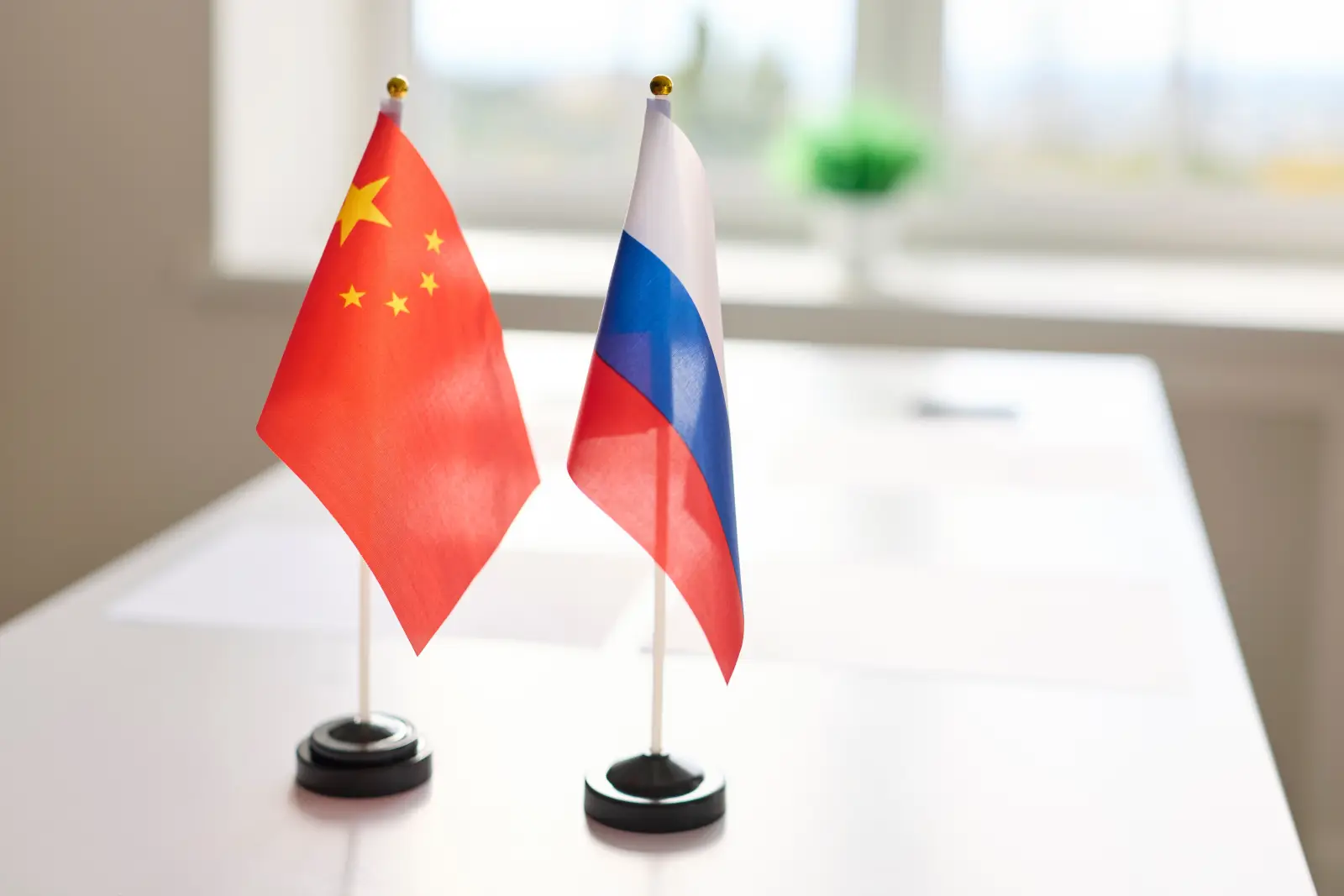
The number of Chinese visitors to South Korea rose 16.4 percent in September compared with a year earlier, according to government data, as Seoul implements a temporary visa-free program aimed at boosting inbound tourism.
The measure, effective from late September through June 2025, is expected to attract more group travelers from China following a period of slower post-pandemic recovery.
The Ministry of Justice said 525,396 visitors from China entered Korea last month, up from 451,496 a year earlier. While the September figure was lower than August’s 613,177, Chinese travelers still made up about one-third of all foreign arrivals, according to the Korea Tourism Organization (KTO). The government’s visa waiver program for Chinese groups began on September 29, shortly before China’s National Day holiday week in early October, one of the country’s busiest travel periods.
Visa-Free Entry Aims to Revitalize Tourism
Under the new policy, Chinese group tourists of three or more people, organized through approved domestic or overseas travel agencies, can enter Korea without a visa for up to 15 days. The temporary program runs through June 30, 2025. The initiative adds to existing visa exemptions for Jeju Island, which allows both individual and group travelers to visit for up to 30 days without a visa.
The decision to ease entry requirements comes as South Korea seeks to regain momentum in its tourism sector. Industry data show that Chinese travelers accounted for the largest share of Korea’s inbound visitors before the pandemic, but numbers have yet to return to pre-2020 levels. The visa-free policy is intended to restore travel flows and strengthen economic ties through tourism and retail spending.
Officials said the timing of the announcement—just before China’s weeklong National Day holiday from October 1 to 7—was strategic, aiming to capture pent-up travel demand. The measure also follows Beijing’s move last November to introduce temporary visa waivers for South Korean visitors and citizens from several other countries until the end of 2025, signaling mutual efforts to stimulate bilateral tourism.
Industry Response and Economic Impact
South Korean tourism and retail businesses are ramping up marketing campaigns to attract Chinese customers. Hotels, resorts, department stores, and duty-free retailers have expanded promotions and package deals to align with the policy rollout. Travel industry officials expect gradual growth rather than an immediate surge, citing the short time since the program’s introduction and the need for awareness among Chinese consumers.
“It will take time before the number of inbound Chinese tourists rises significantly,” industry representatives said, noting that the visa-free program is still in its early stages. They added that the Chinese government has expressed a positive view of Seoul’s initiative, which could help sustain momentum in the coming months.
The return of Chinese travelers is considered crucial to South Korea’s tourism recovery. Before the pandemic, Chinese visitors accounted for nearly half of all foreign tourist spending in the country, particularly benefiting Seoul’s shopping districts and Jeju’s resort sector. According to KTO data, a steady increase in arrivals could provide a substantial boost to tourism revenue and related industries through 2025.
Despite the year-on-year rise, officials remain cautious about short-term fluctuations. The September decline compared with August’s figures highlights the seasonal volatility of travel demand. Analysts suggest that broader recovery will depend on sustained travel confidence, improved flight capacity, and continued policy cooperation between the two countries.
The Ministry of Justice and the KTO said they will continue monitoring visitor trends and collaborate with the tourism industry to assess the impact of the visa waiver program. Both agencies aim to expand Korea’s appeal as a short-haul destination for Chinese travelers amid increasing regional competition from Japan and Southeast Asia.
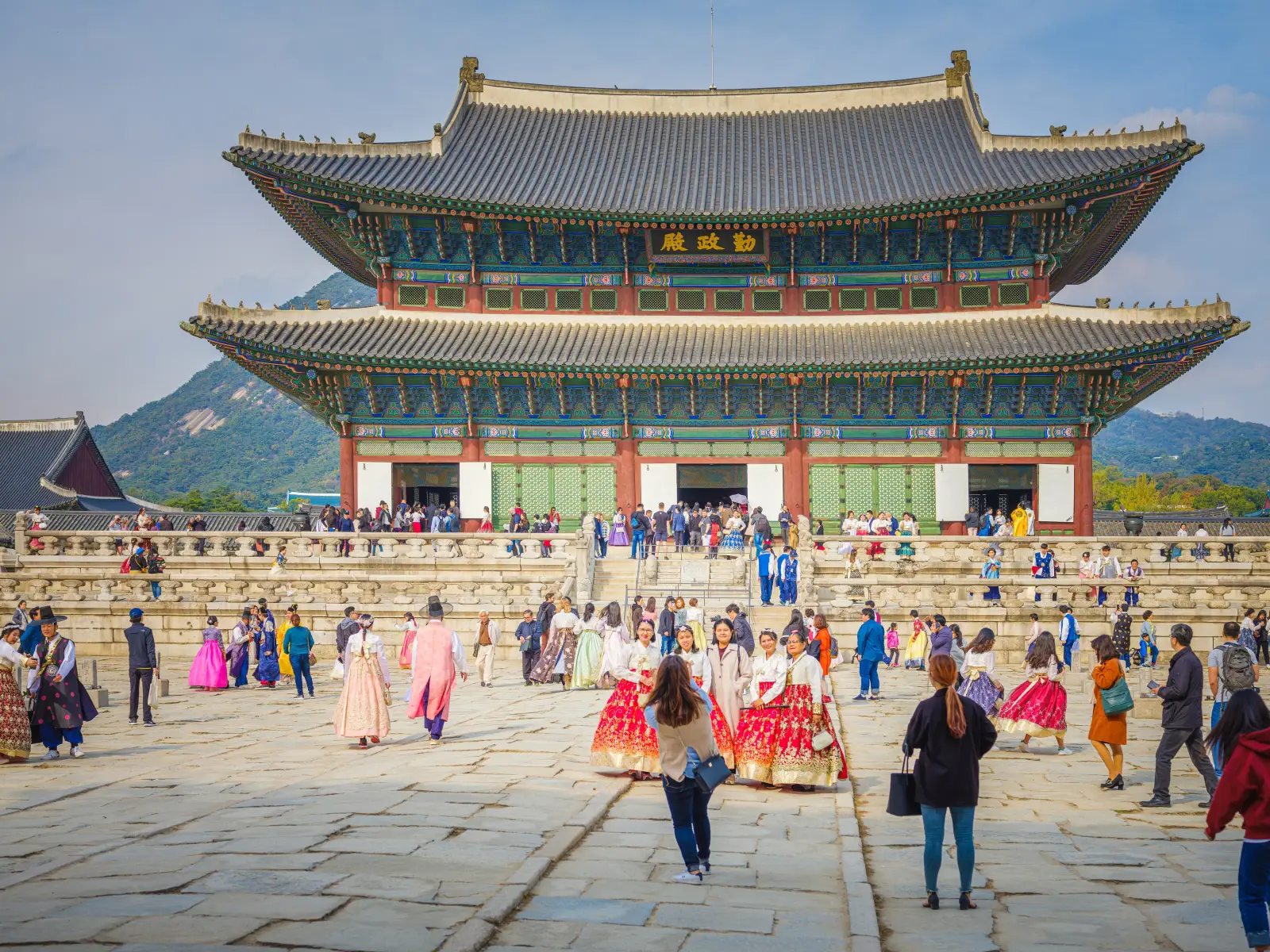
With the new policy in place, Seoul is positioning itself as a convenient and accessible destination for Chinese group tourists through mid-2025, reflecting South Korea’s broader strategy to revive international tourism and strengthen economic ties with its largest source market.
Photo Credit: Sergey_Bogomyako / Shutterstock.com