A surge in hanbok rentals among tourists visiting historic sites in Seoul has sparked debate over the cultural authenticity of South Korea’s traditional attire.
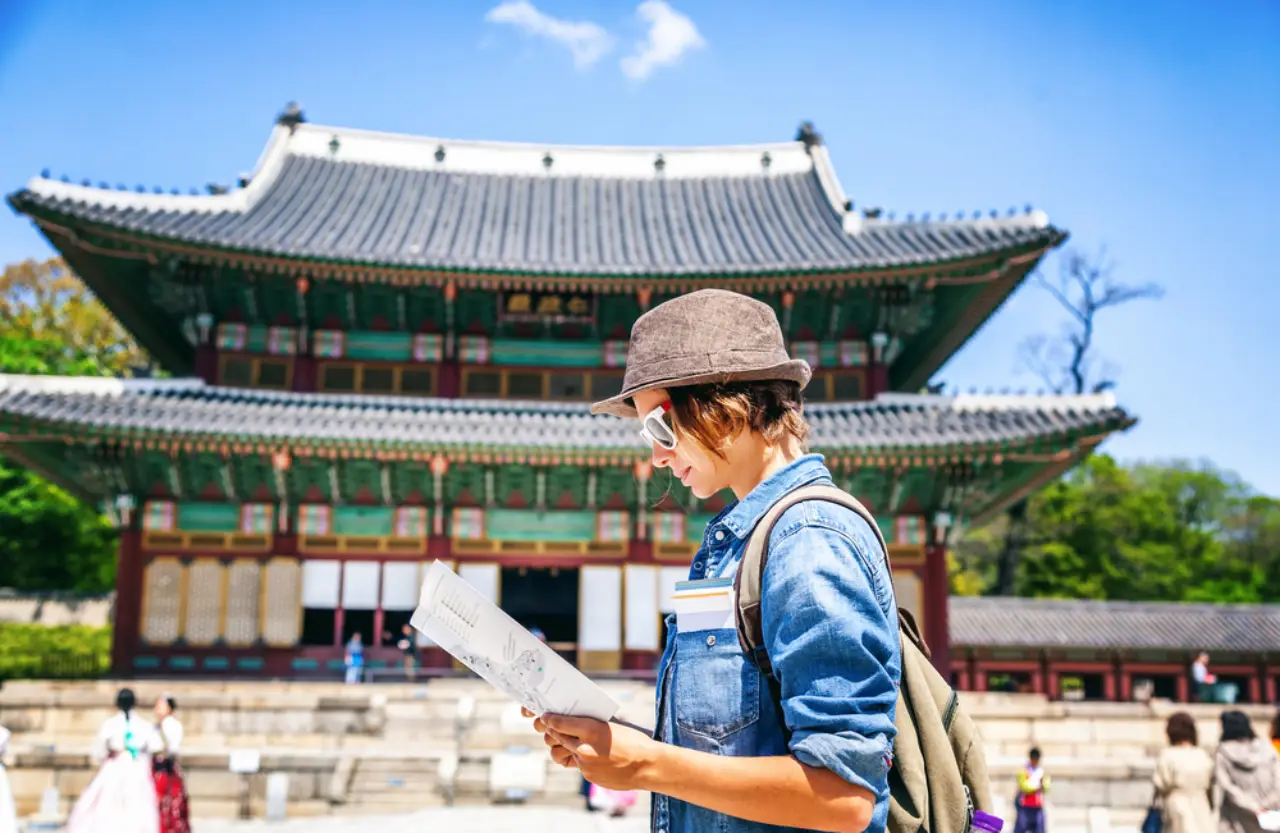
The growing popularity of rental services near palaces such as Gyeongbokgung and Changdeokgung is drawing praise from tourism operators, while cultural experts express concern over the commercialization of heritage.
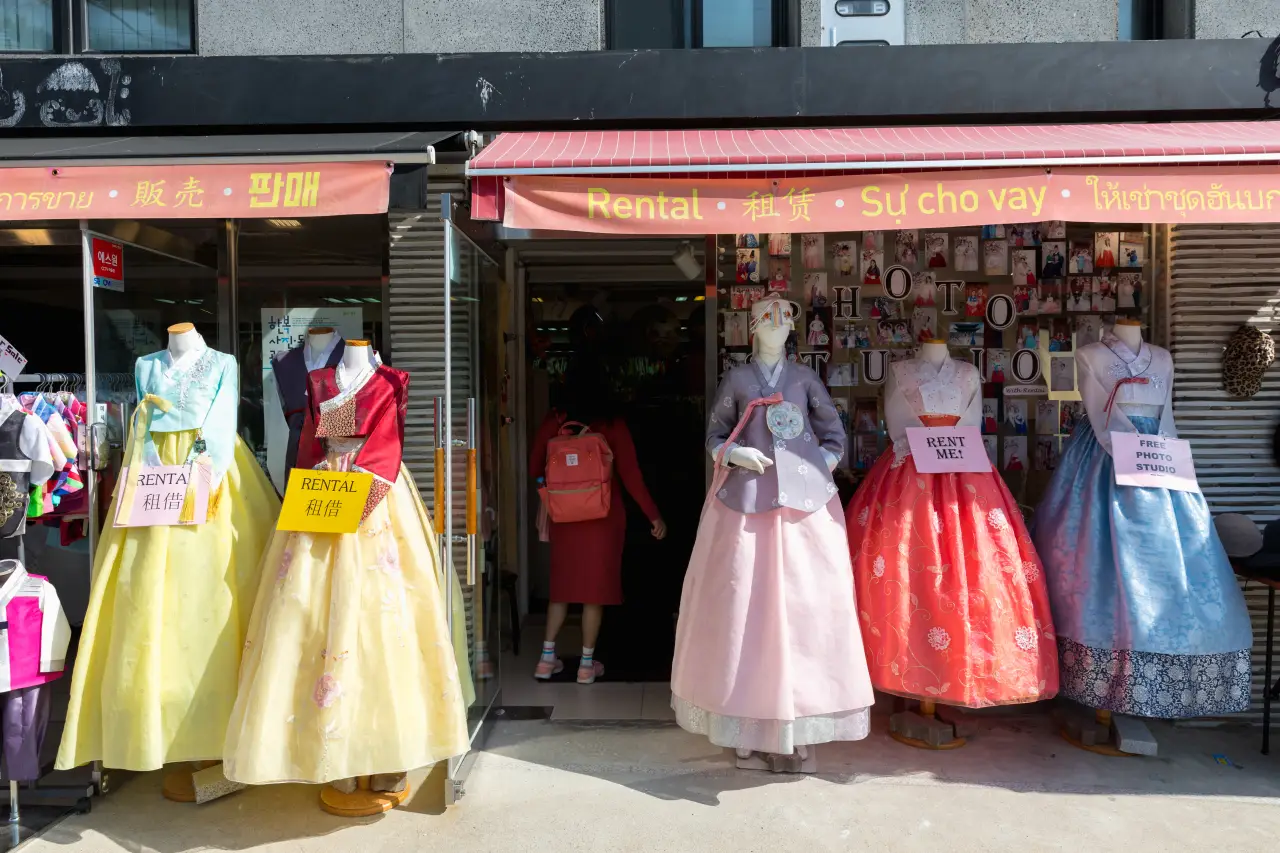
Rental shops report a significant rise in demand from both domestic and international visitors, many of whom rent hanbok to enter palace grounds for free and take photos in traditional Korean clothing. The trend, while supporting tourism and small businesses, has also raised questions about the simplification and modification of hanbok designs to cater to aesthetic preferences rather than cultural accuracy.
Commercialization vs. Cultural Preservation
The hanbok, recognized by UNESCO as an important part of Korean intangible cultural heritage, is undergoing a transformation in the tourism sector. Many rental garments are styled with modern fabrics, bright colors, and shorter lengths that differ from traditional hanbok. Critics argue that these versions distort the meaning and legacy of the attire.
“The hanbok worn by tourists is often far from the authentic version,” said Kim Tae-hyung, a professor of traditional clothing at Korea National University of Cultural Heritage. “These are modified to appeal to foreign aesthetics, and that compromises the traditional value we are trying to preserve.”
Some preservationists are calling for clearer guidelines on hanbok design, especially for businesses operating around heritage sites. They argue that the lack of standards could erode public understanding of Korean traditions and turn cultural symbols into costume props.
Rental Industry Defends Accessibility
Despite the criticism, rental shop owners emphasize the positive impact of the hanbok trend on tourism and cultural interest. Many claim their services help promote awareness and appreciation of Korean heritage, particularly among younger audiences who may not otherwise engage with traditional clothing.
“Tourists are showing real interest in hanbok culture, and this is a gateway for deeper learning,” said Lee Ji-won, owner of a hanbok rental store near Gyeongbokgung Palace. “We offer information about the origins and etiquette of hanbok when customers visit.”
Rental shops typically charge between 15,000 to 30,000 won ($11–$22 USD) for a few hours, with additional costs for accessories and photography packages. Discounts are often available for groups or for rentals that include more formal designs. For many visitors, especially international tourists, wearing hanbok is seen as an immersive way to experience Korean culture.
Government and Cultural Bodies Respond
The Cultural Heritage Administration has acknowledged the growing tension between tradition and tourism and is reportedly considering measures to support both preservation and promotion. Options may include guidelines for rental shops or partnerships with cultural educators to provide historical context for visitors.
In the meantime, the hanbok rental trend continues to grow, particularly during peak tourist seasons and cultural festivals. While some see it as a symbol of pride and accessibility, others caution that unchecked commercialization risks reducing cultural identity to photo opportunities.
The debate reflects broader challenges faced by destinations balancing heritage protection with tourism demand, especially as global travelers increasingly seek immersive, Instagram-friendly experiences rooted in local culture.
Photo Credit: 2p2play / Shutterstock.com