Escalating border clashes between Thailand and Cambodia on 9 December have raised renewed travel concerns as fighting displaces tens of thousands and closes land crossings between the two countries. The violence, which includes airstrikes launched by Thailand in remote frontier districts, comes during the peak winter travel season when both destinations attract high international demand.
Authorities in both countries confirm that major tourist hubs remain unaffected and flights continue to operate normally, though parts of eastern Thailand are under martial law and rail services near the border have been curtailed. While the UK’s Foreign, Commonwealth & Development Office (FCDO) advises against all but essential travel to affected border areas, it has not issued a broader warning for either country.
Flights Continue but Border Regions Face Disruption
Tensions intensified after Thailand carried out airstrikes on what it described as Cambodian military installations, with both governments accusing each other of initiating the confrontation. The latest skirmishes follow a July flare-up that left 40 dead and displaced more than 200,000 people, as well as a November land mine blast that stalled peace efforts.
This week’s fighting has again forced mass evacuations. Thai officials say more than 125,000 people are sheltering in temporary camps, while Cambodia reports evacuating more than 21,000 residents from three border provinces. The areas affected are remote frontier districts far from Bangkok, Phuket, Chiang Mai, Siem Reap and Phnom Penh.
Winter Travel Unaffected in Major Destinations
Despite the conflict, air travel remains largely stable. A spokesperson for Cambodia’s civil aviation authority told local reporters that flights between Bangkok, Phnom Penh and Siem Reap “continue to operate normally,” though some airspace remains closed. Tourism officials in Thailand have confirmed that martial law is in effect in sections of Chanthaburi, Trat and Sa Kaeo provinces, but these measures have not affected core tourist zones.
Border clashes along Thailand’s Trat province brought the fighting closer to the tourist islands of Koh Chang, Koh Kood and Koh Mak on Tuesday, although no major disruptions to visitor infrastructure have been reported. Of the Thai provinces bordering Cambodia, Chanthaburi is so far the only one to have avoided active fighting.
Land routes, however, are significantly disrupted. Authorities state that road crossings between Thailand and Cambodia are closed for entry and exit, preventing travellers from moving overland between the two countries. Rail services from Bangkok now terminate in Aranyaprathet rather than running to the border checkpoint.
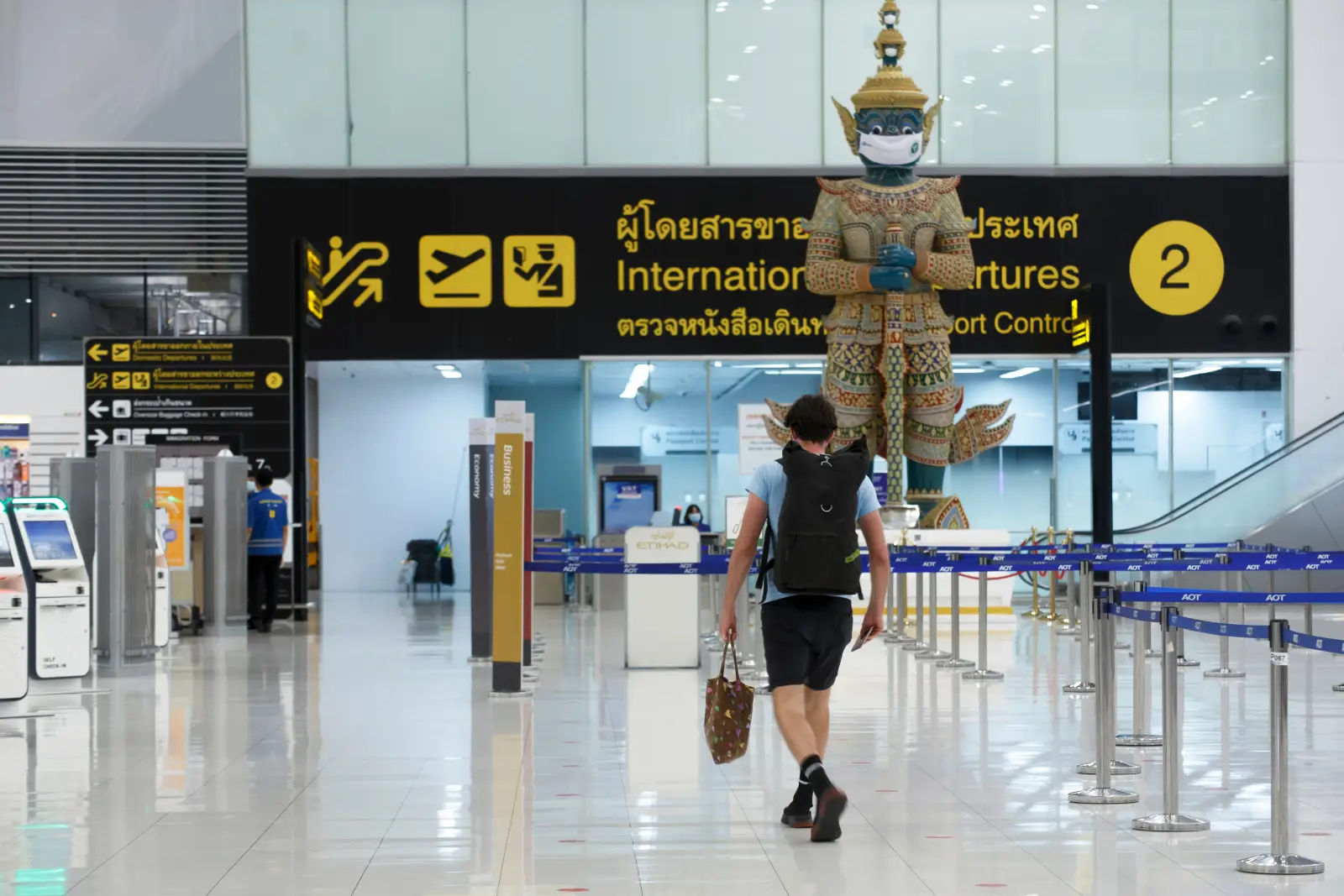
While the conflict has not yet affected airports or transport systems in major cities, some travellers may face itinerary changes if they planned to cross the border by road or rail or visit temple sites near the frontier. Several such sites, including Cambodia’s contested Preah Vihear, known in Thailand as Khao Phra Wihan, are currently closed.
National travel advisories remain targeted rather than nationwide. The FCDO warns against all but essential travel to affected sections of the Thailand–Cambodia border due to gunfire, artillery use and unexploded landmines, but has not extended this to the wider regions. According to the advisory, travellers should be aware that unless a nationwide warning is issued, refunds for cancelled holidays are not guaranteed.
The flare-up comes only two months after a US-brokered peace plan was announced, underscoring the fragility of efforts to stabilise the frontier. With winter tourism underway, officials and airlines continue to stress that the violence remains geographically limited, though the situation remains fluid as evacuations continue and military operations persist in border zones.
Photo by Dreamstime