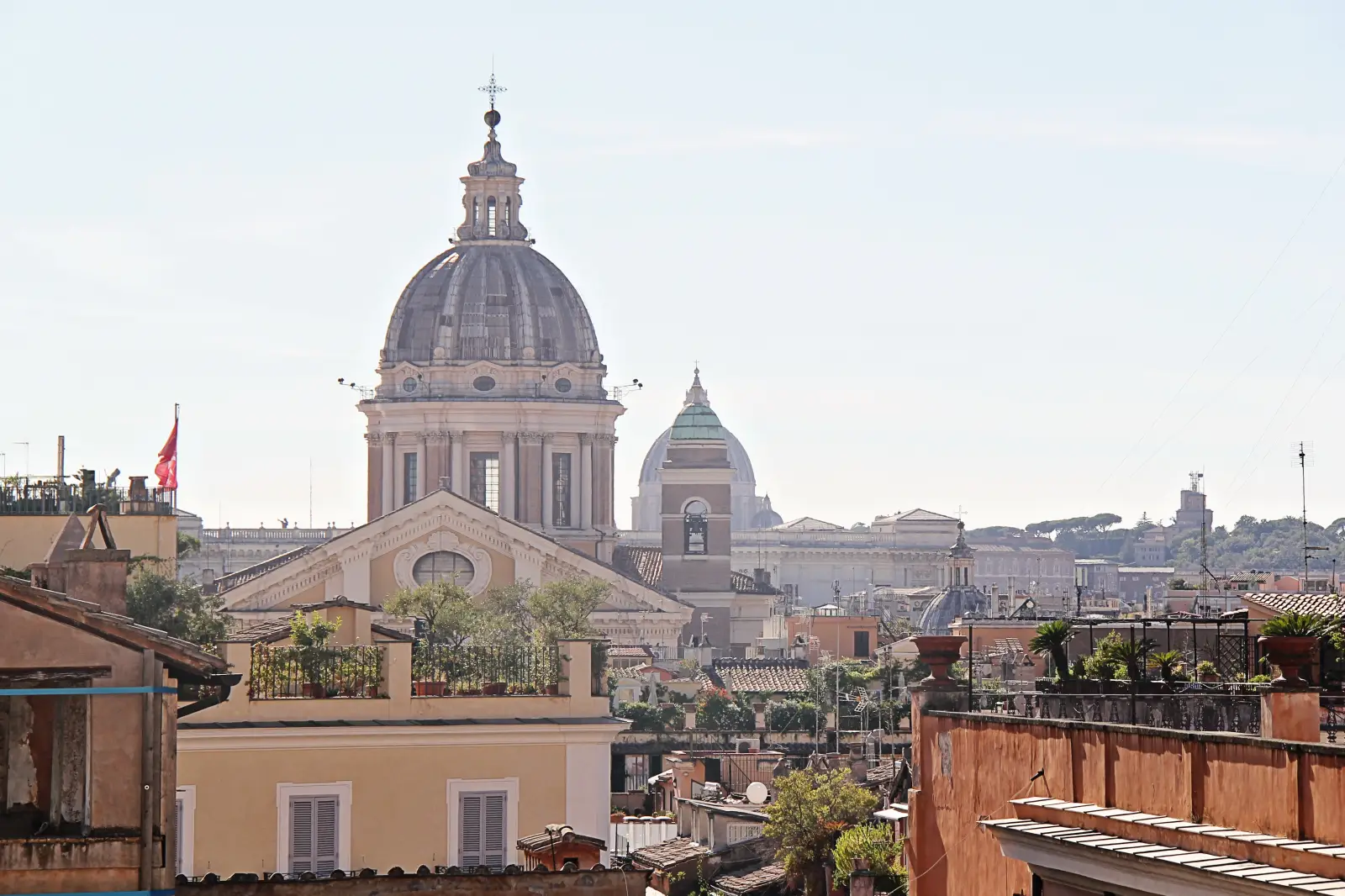
For many travellers, Italy’s charm lies in the quiet rhythm of a neighborhood morning — the scent of espresso from a nearby café, the sound of church bells, and the comfort of waking up in a centuries-old apartment that feels like home. But the experience of renting those homes for short stays may soon become more expensive, as Italy moves to overhaul how such rentals are taxed.
The Italian government has proposed raising the flat tax rate on short-term rental income from 21% to 26%, ending a longstanding tax break for property owners. The plan is part of the country’s 2026–2028 budget proposal, introduced this week in Rome. The measure, which must still pass through parliament, would apply to landlords earning income from short-stay rentals — a category that includes listings on platforms like Airbnb, Vrbo, and Booking.com.
According to Reuters, the proposed change would eliminate the lower 21% “cedolare secca” (dry coupon) rate, bringing all short-term rental income under a unified 26% rate. The move aims to simplify taxation and boost revenue, though critics argue it could discourage compliance and reduce tourism income for small property owners.
“This reform brings fairness to a sector that has grown rapidly but unevenly,” a government spokesperson said in a statement shared with Euronews. However, members of the governing coalition, including Forza Italia, have voiced opposition, warning that the higher rate could penalize families who rent out a second home to supplement their income.
The debate comes as Italy faces mounting pressure to balance tourism’s benefits with its social and economic strains. Cities like Florence and Venice have seen a surge in short-stay apartments, often at the expense of local housing availability. In Venice, officials have already introduced new restrictions on day visits and rental permits to manage overtourism. Economists note that the proposed tax increase may nudge more owners toward long-term leasing — potentially easing housing shortages in city centers.
For travellers, the short-term impact may be modest but noticeable. If the measure is approved, hosts are expected to pass part of the cost on to guests through higher nightly rates, particularly in popular destinations such as Rome, Milan, and the Amalfi Coast. Budget-conscious visitors might see smaller savings when comparing private stays to hotel options.
Still, Italy’s allure remains undiminished. The country continues to rank among Europe’s top tourism destinations, attracting more than 60 million international visitors each year. For many, the intimacy of staying in a local apartment — from a Trastevere flat to a Tuscan farmhouse — remains an essential part of the Italian travel experience, even as the rules around it evolve.
The proposed budget will be debated in parliament over the coming weeks, with potential amendments before year’s end. Travellers and hosts can follow official updates through Italy’s Ministry of Economy and Finance website at mef.gov.it.
Photo Credit: Angela Cini / Shutterstock.com