Procida, a small volcanic island in the Bay of Naples, is gaining attention as one of Italy’s most authentic destinations for travelers seeking an alternative to the country’s crowded hotspots.
Known for its colorful houses, historic landmarks, and Mediterranean beaches, Procida offers visitors a quiet escape while preserving its traditional character.
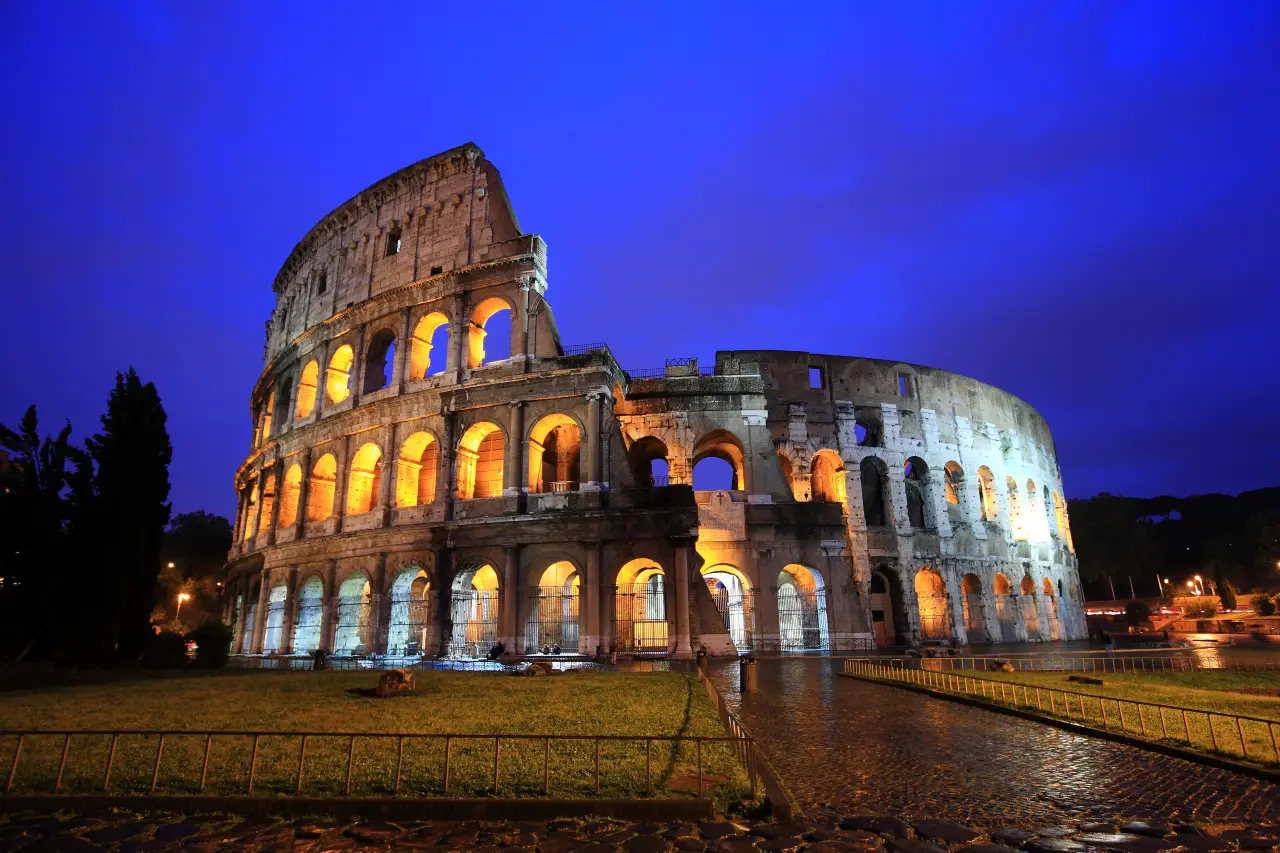
Although Italy’s main tourist cities such as Rome, Florence, and Venice attract millions of visitors each year, Procida provides a different experience. The island is less commercialized than nearby Capri or Ischia, giving travelers a chance to explore its culture and landscapes without the large-scale tourism that dominates much of the country.
A historic island with nine districts
Procida stretches just 16 kilometers in length and is divided into nine distinct districts. These include Terra Murata, the oldest part of the island; Corricella, a fishing village; Sent’cò, home to the commercial port of Marina Grande; and Chiaiolella, which features a tourist harbor. The smaller island of Vivara is connected to Procida by a bridge, adding another area of interest for visitors.
The journey for most visitors begins at Marina Grande, where pastel-colored houses line the harbor. Here, travelers can stroll past artisan shops, cafes, and restaurants before reaching the Palazzo Montefusco, a 12th-century building that once served as a royal summer residence. The area also features Piazza dei Martiri and the Church of Santa Maria della Pietà. Nearby, Grotte Beach offers a unique landscape of caves carved from tuff stone centuries ago.
Landmarks and cultural attractions
Procida’s Terra Murata district holds some of the island’s most important historic landmarks. Highlights include the medieval fortifications, the 16th-century Palazzo d’Avalos, and the Abbey of San Michele, built in the same century. From this elevated district, visitors can enjoy sweeping views of the Gulf of Naples, making it a popular spot for sightseeing and photography.
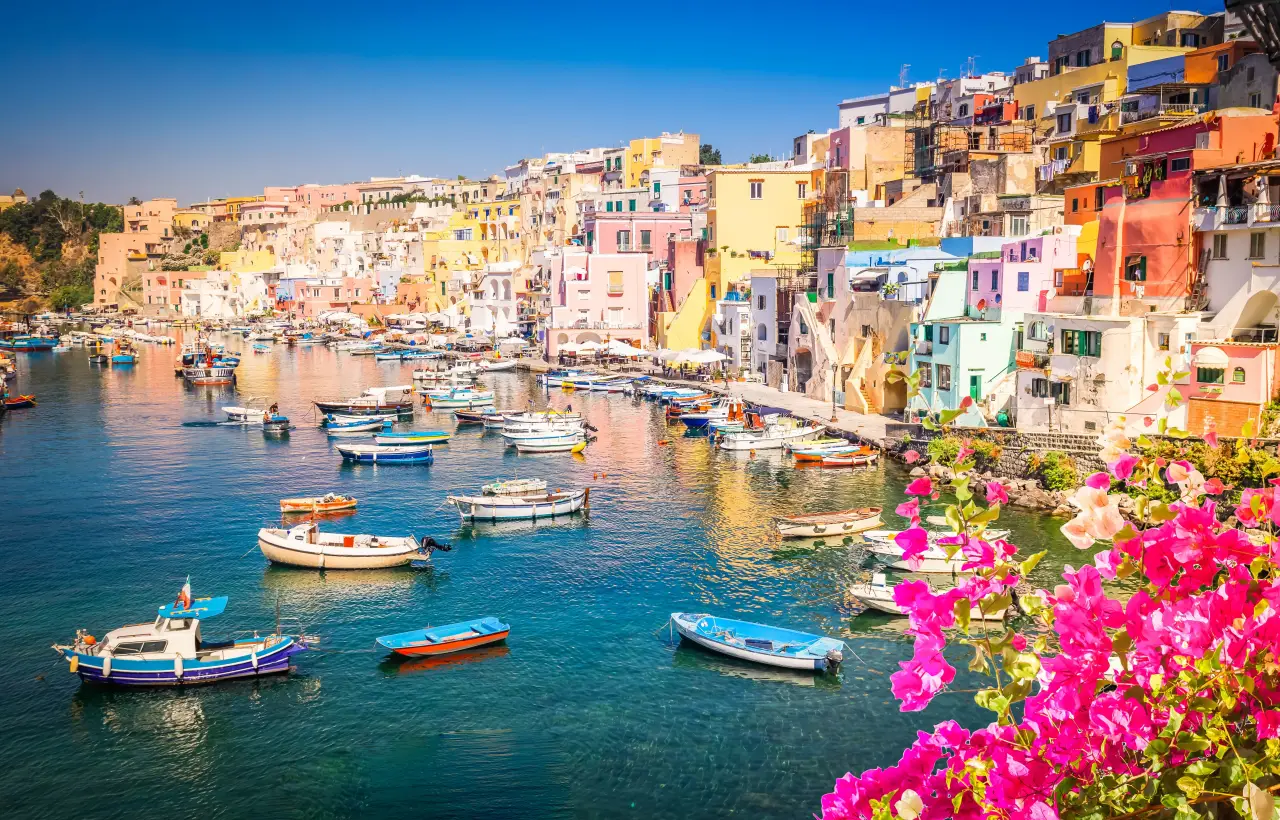
Down by the water, Marina Corricella provides a picturesque promenade where brightly colored houses face the sea and fishing boats rest in the harbor. This neighborhood has long been associated with the island’s maritime traditions, and today it remains one of the most photographed areas of Procida.
Beaches and outdoor experiences
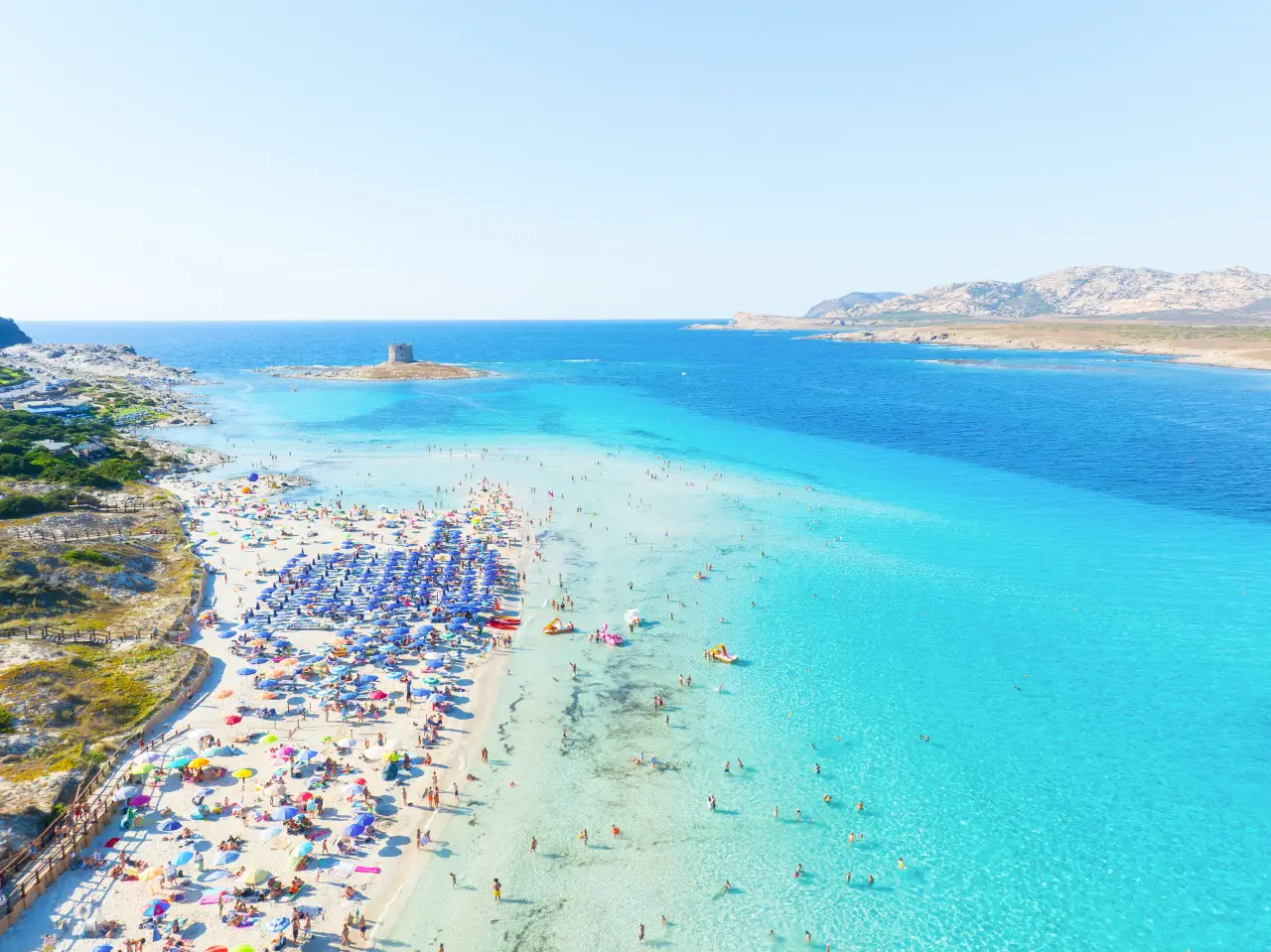
Beyond history and architecture, Procida is known for its beaches. Pozzo Vecchio Beach, located on the western coast, is one of the most popular. Other options include Chiaia Beach, accessible by descending 186 steps, and Chiaiolella Beach, which stretches along the island’s longest coastline. These spots provide opportunities for swimming, sunbathing, and relaxing away from the busier beaches of Italy’s mainland.
Procida also appeals to those who enjoy walking or exploring smaller communities. Each district has its own character, from religious landmarks to fishing ports, offering a glimpse into local life. The island’s volcanic origin has shaped its terrain, making it distinct from other nearby destinations in southern Italy.
How to reach Procida
Reaching Procida is straightforward from Naples and the surrounding areas. Ferries from Calata di Massa take about 1 hour, while hydrofoils from Molo Beverello make the trip in 45 minutes. From Pozzuoli, ferries arrive in approximately 35 minutes. Several operators, including Caremar, Snav, and Medmar provide services.
With its combination of cultural heritage, stunning seaside landscapes, and authentic atmosphere, Procida offers travelers a unique alternative to Italy’s most popular destinations. For those seeking to explore beyond the country’s best-known tourist cities, the island offers an authentic escape, combining history and natural beauty.
Photo Credit: Neirfy / Shutterstock.com