The Investment Migration Market Just Hit $30 Billion
The citizenship and residency by investment industry is experiencing unprecedented momentum. The global market surpassed $30 billion in annual value during 2024, maintaining a steady 12% growth rate year over year. This isn’t just about numbers getting bigger. Over 80 countries now offer some form of investment migration program, creating fierce competition for high-net-worth applicants. Programs that were once niche options have become mainstream wealth planning tools. Malta alone issued over 1,000 investor passports in 2024. St. Kitts & Nevis has welcomed more than 25,000 investors since its program launched. Antigua & Barbuda has generated over $1.5 billion in investment since inception. The real story? These programs are evolving faster than ever before.
Processing Times Are Getting Dramatically Faster
Speed matters when geopolitical tensions can change overnight. Several programs have slashed processing times to meet urgent demand from applicants in unstable regions. St. Kitts & Nevis introduced a “Fast Track” option that delivers citizenship in just 60 days. Even standard applications now process in 4-6 months. Antigua & Barbuda completes most applications within 3-5 months. Compare that to traditional immigration routes that take years. The fastest programs typically require straightforward donation options starting around $100,000. Dominica maintains its position as the most affordable citizenship program with the same minimum investment, though processing stretches to 6-9 months. Real estate-based options generally start at $200,000 across Caribbean jurisdictions, offering a potential return on investment that pure donations don’t provide. Malta takes a different approach entirely. Applications can take 12-36 months, but the payoff is substantial—full EU citizenship with Schengen access. The investment requirement reflects this value: €600,000 in contributions plus €700,000 in real estate.
Technology Is Transforming Due Diligence
The application process looks nothing like it did three years ago. AI-powered due diligence systems now handle background checks that previously required weeks of manual review. Malta, Portugal, and the UAE have implemented fully virtual application platforms. Remote identity verification eliminates the need for multiple in-person appointments. Document uploads happen through secure portals with real-time status tracking. Malta and the UAE are piloting blockchain-backed citizenship records. This technology creates tamper-proof verification systems that enhance security while speeding up processing. These aren’t experimental features anymore. By early 2025, AI screening and automated compliance monitoring became standard practice for reputable programs. Firms like Global Residence Index have integrated these technologies to streamline applications while maintaining rigorous compliance standards. Mobile-first experiences are gaining traction too. Applicants increasingly prefer managing their citizenship applications from their phones, tracking progress with the same ease as checking flight status.
ESG Requirements Are Becoming Mandatory
Environmental, social, and governance criteria are no longer optional extras. Malta, Portugal, and several Caribbean programs now require demonstrating ESG impact or directing investments toward green projects. Real estate investments must meet sustainability standards. Renewable energy projects receive preferential treatment. Government funds increasingly target climate adaptation and social development initiatives. This shift reflects changing priorities among applicants themselves. High-net-worth individuals under 50 consistently prioritize sustainability when selecting investment migration programs. They want citizenship that aligns with their values, not just their tax planning. Programs that embrace ESG principles are seeing stronger application volumes despite higher compliance requirements.
Families Are Driving Application Growth
The typical applicant profile has shifted dramatically. Where solo entrepreneurs once dominated applications, multi-generational families now represent the majority of new submissions. Programs responded by expanding dependent eligibility. Antigua, Grenada, and Malta now accommodate parents and adult children more readily. Some programs allow siblings and extended family members under specific circumstances. This matters because investment migration has evolved from an individual wealth strategy to a family security plan. Parents prioritize access to quality healthcare and education systems. Grandparents seek stable retirement destinations with favorable tax treatment. Roughly 70% of 2024-2025 applicants originated from Asia and the Middle East. Applications from Africa have surged for UAE, Portugal, and Malta programs specifically.
Younger Applicants Are Changing Program Design
Tech-savvy entrepreneurs in their 30s and 40s represent the fastest-growing applicant segment. They expect digital-first experiences and rapid processing. Traditional programs built around real estate investment hold less appeal for this demographic. They prefer flexible investment options—government bonds, business investments, or donation routes that provide citizenship without property management headaches. Programs that fail to adapt risk losing this valuable applicant pool to more innovative competitors.
Geopolitical Instability Drives Urgent Demand
The Ukraine conflict, Middle East tensions, and Asia-Pacific uncertainties continue pushing high-net-worth individuals toward investment migration solutions. Russian, Chinese, and some Middle Eastern nationals face particular urgency. Capital controls, travel restrictions, and political instability create immediate needs for alternative citizenship options. This geopolitical pressure has fundamentally changed application patterns. Where clients once took months to evaluate options, many now seek the fastest viable programs regardless of long-term optimization. Portugal, Malta, and Cyprus maintain strong appeal due to Schengen and EU access. Caribbean passports offer stable value, though they face ongoing scrutiny regarding visa-free travel agreements with Schengen countries, the UK, and Canada.
Tax Policy Changes Accelerate Outbound Migration
Stricter US and UK tax residency rules implemented in 2025 triggered increased applications from citizens seeking to establish tax-efficient second residencies. The Common Reporting Standard continues expanding its reach. Global tax information exchange has become more comprehensive, with new reciprocal agreements and an expanded country list for mandatory reporting. Sophisticated applicants now pursue “portfolio citizenship” strategies—combining Caribbean, EU, and Middle Eastern residency options to optimize tax treatment, travel freedom, and lifestyle flexibility. This requires expert guidance to navigate competing residency requirements and avoid unintended tax consequences. Vancis Capital, the parent company of specialized advisors, helps structure these complex arrangements.
EU Programs Face Regulatory Pressure
The European Union intensified scrutiny of golden visa and citizenship programs throughout 2024 and into 2025. Malta, Portugal, and Cyprus programs underwent stringent reviews. Some programs paused temporarily for restructuring. Others increased investment minimums or tightened eligibility requirements. Anti-money laundering standards reached new levels of complexity. EU applicants face significantly more extensive due diligence than Caribbean program applicants. Source-of-funds documentation requirements have become exhaustive. Processing times stretch longer despite technological improvements. OECD guidelines issued in 2024-2025 further elevated compliance expectations. Enhanced due diligence and reporting requirements now apply across all major jurisdictions. Programs that maintain strong government relationships and robust compliance frameworks weather these changes most effectively. Applicants benefit from working with advisors who understand evolving regulatory landscapes.
The Travel Industry Is Getting Involved
Luxury travel brands and hospitality operators are forming partnerships with citizenship-by-investment consultancies. The result? Bundled relocation packages that combine investment migration with turnkey settlement services. VIP “investment destination tours” have become standard offerings in Portugal, Malta, and the UAE. Potential applicants visit properties, meet with officials, and experience the lifestyle before committing to significant investments. Medical and education tourism increasingly influence program selection. Families evaluate healthcare quality and education systems as primary factors rather than secondary considerations. Bespoke concierge services for residency processes are rising across the industry. These offerings integrate legal support, property acquisition, banking relationships, and lifestyle integration services into comprehensive packages. This convergence between investment migration and travel services reflects changing client expectations. Modern applicants want seamless experiences, not fragmented service relationships.
What’s Coming Next
The investment migration industry will continue evolving rapidly through 2026 and beyond. Several trends are virtually certain. AI and blockchain will become baseline requirements for applicant screening and compliance. Programs without sophisticated technology infrastructure will struggle to compete. Climate resilience and healthcare quality will drive destination preference. Malta, Portugal, Canada, and the UAE benefit from strong performance on both metrics. Multi-jurisdictional citizenship portfolios will become standard among ultra-high-net-worth families seeking maximum flexibility. Programs that innovate around client experience, processing speed, and family inclusion will capture the largest market share. Those that cling to outdated processes will see application volumes decline. For high-net-worth individuals navigating these changes, expert guidance matters more than ever. The right program for one family may be entirely wrong for another with different priorities, risk profiles, and long-term goals. The $30 billion question? Which citizenship or residency program aligns best with your specific circumstances in 2025’s rapidly shifting landscape.
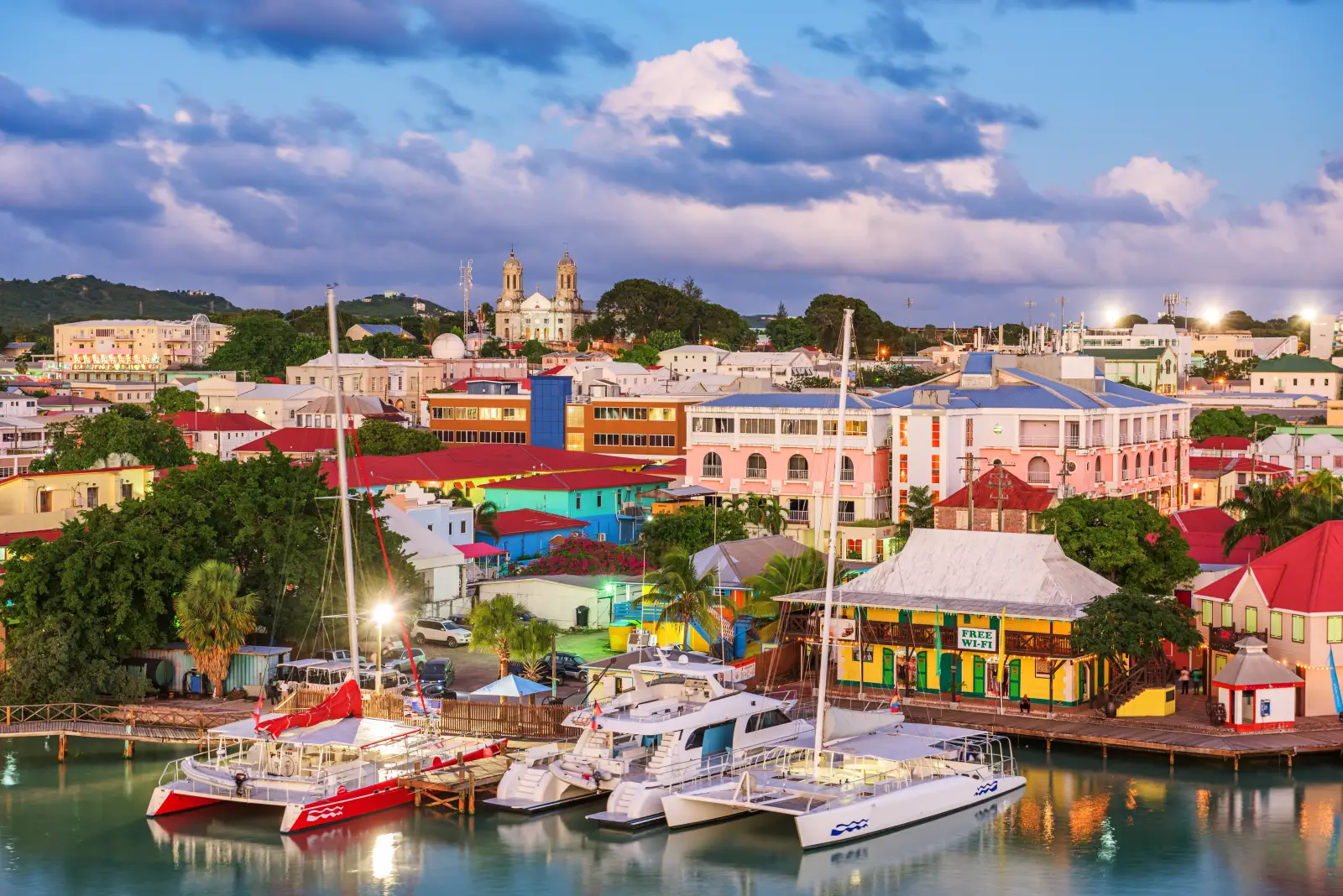
Photo shows: St. John’s, Antigua glows at dusk, overlooking the waterfront packed with yachts and vibrant Caribbean architecture. Photo Credit: Sean Pavone / Shutterstock.com