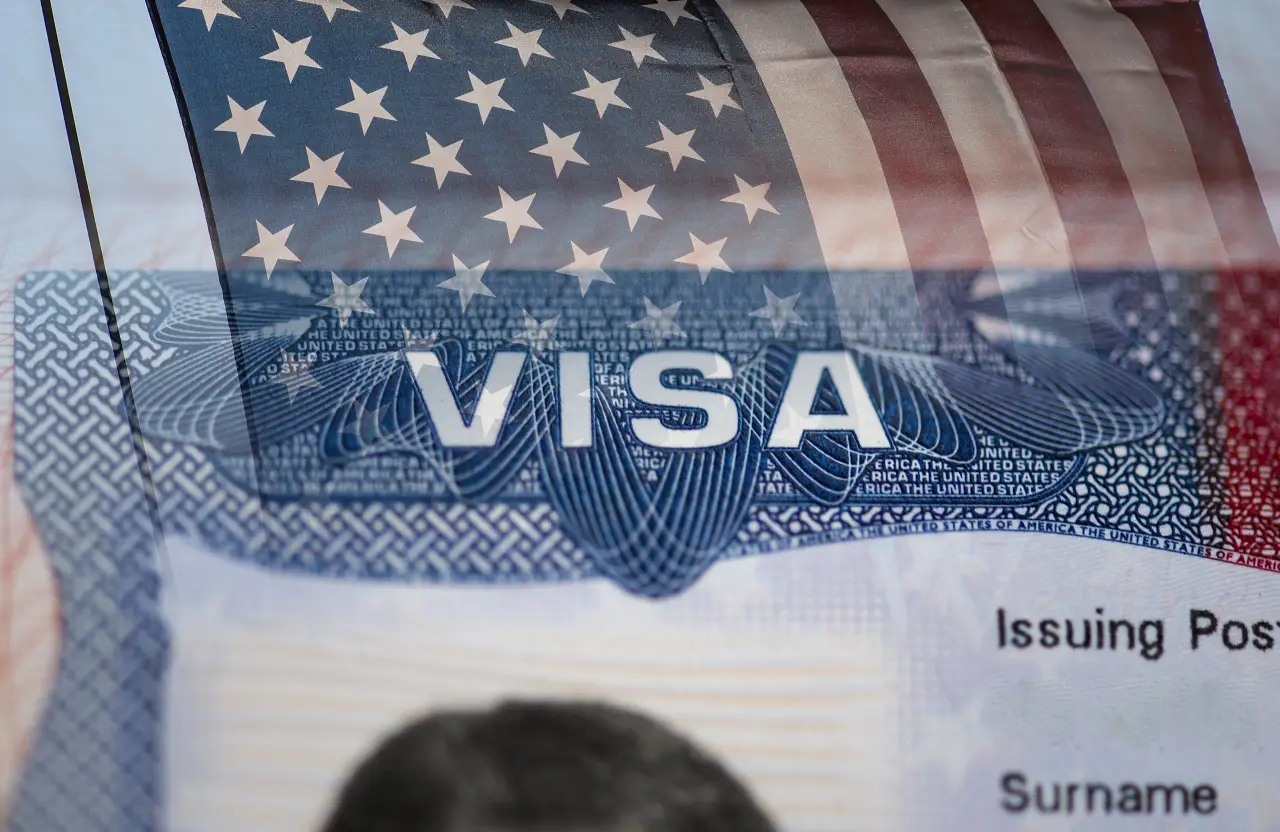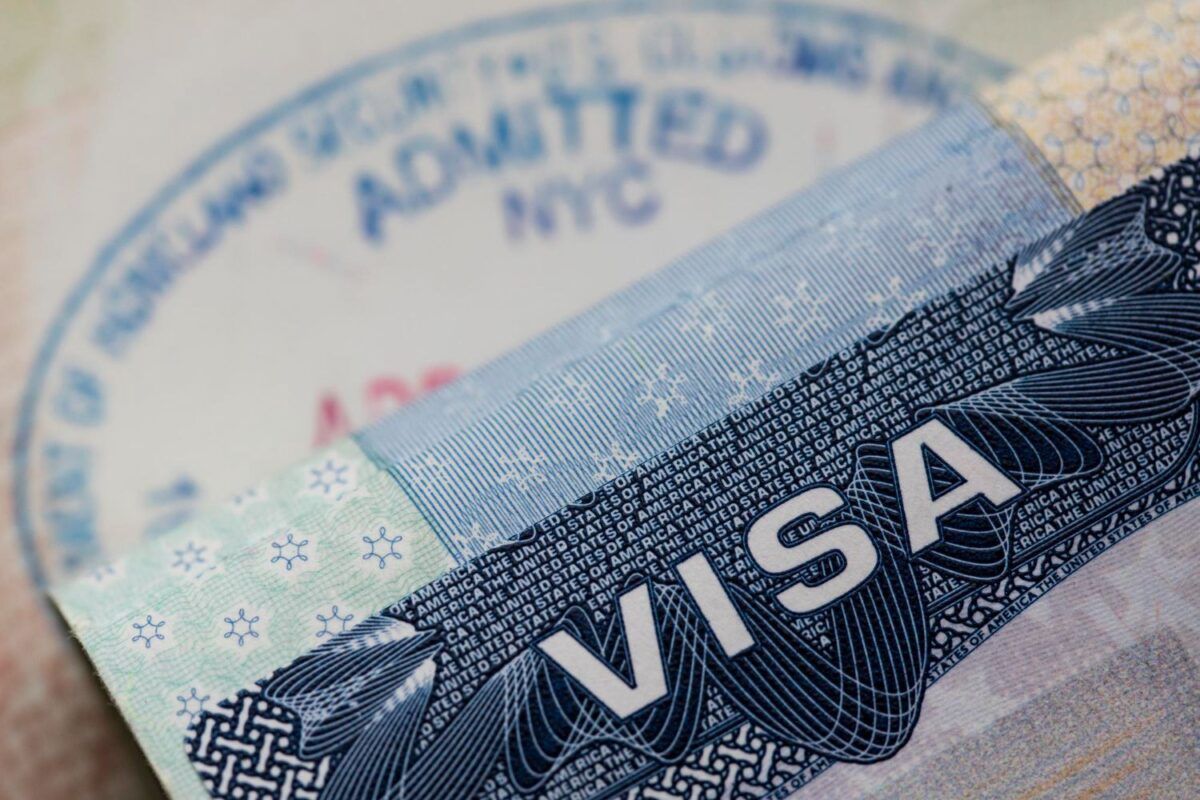
U.S. visa restrictions are now targeting Indian travel agencies accused of promoting illegal migration through deceptive travel packages. The latest policy, announced Monday, revokes the visas of owners, executives, and senior managers of these agencies as part of a broader crackdown on irregular immigration routes.
The ‘Donkey Route’ Under Fire
The U.S. government has expressed growing concern over the “donkey route,” a term widely used in India to describe the practice of traveling to the United States without a return flight and remaining in the country undocumented. This method has been marketed by some Indian travel companies, often disguised as regular tourism packages, and is now drawing serious consequences from American authorities.
According to the U.S. Department of State, these actions are not only illegal but also exploit migrants who risk their safety and finances. The visa revocations aim to disrupt these networks by hitting them at the source: the businesses organizing and profiting from unauthorized travel schemes.
Official U.S. Response
Tammy Bruce, spokesperson for the U.S. Department of State, emphasized the administration’s zero-tolerance stance on migrant smuggling. “Our immigration policy seeks not only to inform foreigners about the dangers of illegal immigration to the United States, but also to hold accountable those who violate our laws, including those who facilitate illegal immigration,” she said in a statement.
Bruce added that the U.S. Consular Affairs Service in India is actively identifying and prosecuting those involved in irregular immigration. Their daily operations include monitoring visa applications, tracking suspicious travel patterns, and working closely with international partners to dismantle human smuggling operations.
How Visa Restrictions Are Being Applied
| Target Group | Reason | U.S. Action Taken |
|---|---|---|
| Agency Owners | Organizing one-way travel to the U.S. | Visa Revocation |
| Executives | Facilitating undocumented migration | Visa Denial and Ban |
| Senior Managers | Overseeing illegal travel operations | Blocked from U.S. entry |
India’s Role and Reaction
While the U.S. has not disclosed specific agency names, the implications for the Indian travel sector are significant. Tour companies operating internationally may face heightened scrutiny not only from U.S. embassies but also from Indian regulators. Industry insiders worry that legitimate businesses could also suffer reputational harm as a result of the U.S. visa crackdown.
The “donkey route” has long been a controversial method for aspiring migrants, often involving convoluted journeys through South America and into the U.S. via land borders. These routes expose travelers to unsafe conditions and legal risks, often ending in detention or deportation.
What This Means for Travelers
The new visa enforcement measures serve as a warning for those considering illegal migration. Travelers and families seeking U.S. entry through unconventional means should be aware of the legal consequences. Agencies offering suspicious or one-way-only travel packages may be operating outside the law, and customers could find themselves flagged or denied future visas.
The U.S. encourages individuals to use only authorized and reputable travel agencies and to apply for visas through official government channels. Attempts to misuse tourist visas for work or permanent residency can result in multi-year bans or permanent inadmissibility.
Tips for Indian Travelers
- Verify if the travel agency is registered and reputable
- Avoid tour packages that do not include a return flight
- Apply for U.S. visas only through official embassy websites
- Report suspicious agencies to local authorities or the U.S. Embassy
The Trump administration’s move to sanction travel agencies is part of a larger campaign against irregular immigration networks. Officials have stated that similar visa restrictions could extend to other countries if patterns of abuse are detected.
This visa revocation policy signals a shift in enforcement focus—not just on the migrants themselves, but on the businesses and individuals profiting from their vulnerability. By targeting top-level management, U.S. authorities hope to send a message across the travel industry that participation in illegal migration schemes will not go unpunished.
As the global travel industry recovers from pandemic-related slowdowns, such enforcement actions may reshape how international agencies design and market travel packages. The focus now extends beyond customer service and pricing—compliance with immigration law is more important than ever.