Even the most seasoned travelers know the feeling of patting pockets or rummaging through a bag in search of a missing ID. That moment of panic may soon feel different, as a new option is set to reshape what happens next at airports across the United States.
The Transportation Security Administration announced that beginning February 1, 2026, passengers who arrive at security checkpoints without an acceptable form of identification will have the option to pay a $45 fee to verify their identity through a modernized system called TSA Confirm.ID. According to the agency, the new process offers an alternative for travelers who lack a REAL ID or other approved documents and still wish to fly.
The system is designed to serve the small percentage of passengers—currently about 6 percent—who show up at airports without compliant identification. TSA said the fee will cover the cost of on-site verification and will apply for a 10-day travel period, allowing passengers to complete round trips or multiple flights under the same payment. Travelers who anticipate needing the service are encouraged to pay online before arriving at the airport, though TSA noted that payment points will also be available at or near many checkpoints.
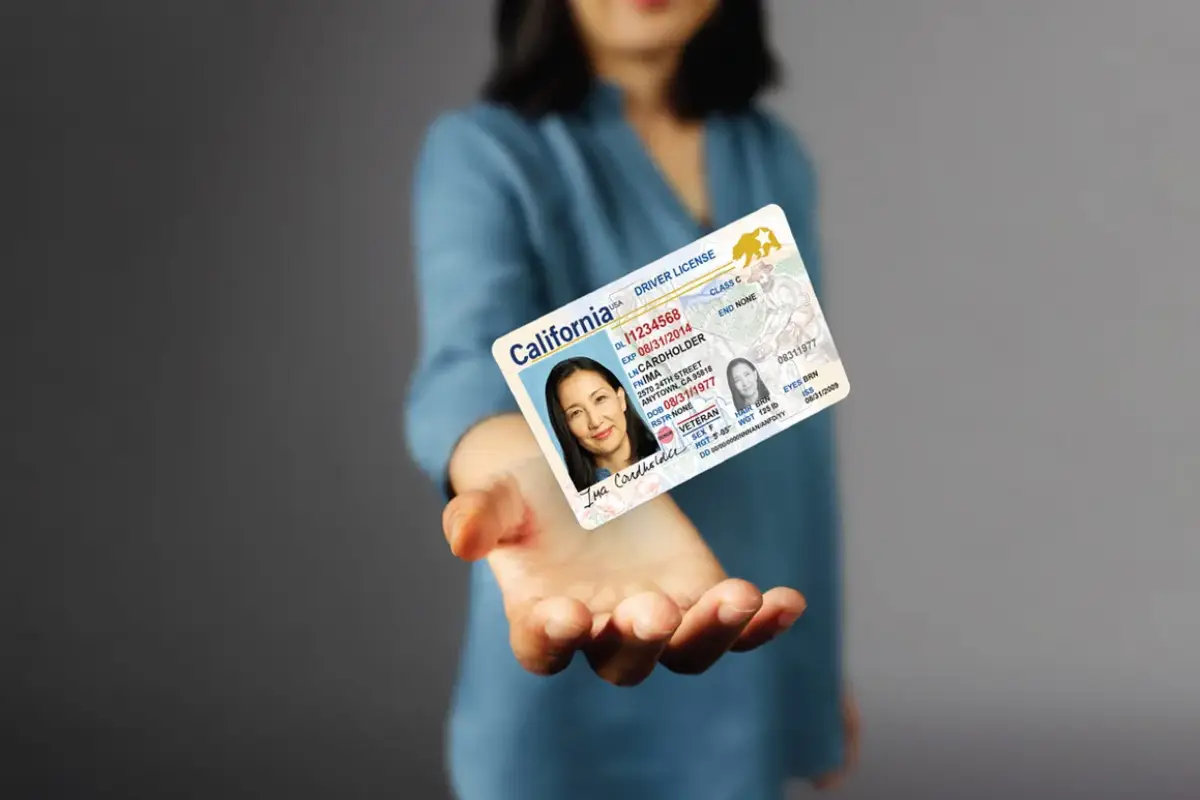
The Confirm.ID launch comes as the U.S. continues enforcing the REAL ID Act, a law passed two decades ago but implemented nationally only in recent years. REAL ID-compliant driver’s licenses, U.S. passports, trusted traveler cards, and other federally approved credentials are accepted at airport checkpoints, while temporary licenses and non-compliant IDs are not. TSA expects longer wait times for travelers who rely on the new verification process, emphasizing that it should be used only when necessary.
The agency framed the update as a security measure designed to close gaps in identity verification. “Identity verification is essential to traveler safety, because it keeps terrorists, criminals, and illegal aliens out of the skies and other domestic transportation systems such as rail,” said Adam Stahl, Senior Official Performing the Duties of Deputy Administrator for TSA. He noted that most travelers already present acceptable ID, but Confirm.ID ensures the remaining passengers are screened thoroughly without shifting costs to taxpayers.
The change also reflects ongoing traveler behavior. Despite years of public awareness campaigns, many Americans still reach checkpoints with non-compliant IDs, while others may forget their identification entirely during peak holiday travel or rushed trips. The $45 option introduces a predictable backup plan, though TSA warns that delays are likely for anyone opting into the verification process. For time-sensitive flights, the agency continues to urge travelers to obtain a REAL ID well ahead of their travel dates.
For travelers, the update offers both reassurance and a caution. The new process provides a safety net for those who misplace their ID, while also clarifying the boundaries of what is—and is not—accepted at checkpoints. TSA maintains an updated list of approved documents, noting that foreign passports, federally recognized tribal IDs, and DHS trusted traveler cards remain valid forms of identification for screening purposes.
As the February rollout approaches, TSA encourages passengers to review REAL ID requirements and confirm whether their state-issued license meets federal standards. More details on acceptable identification and Confirm.ID procedures can be found at TSA.gov. For questions, travelers can also contact AskTSA online or via text. With the new rule, navigating airport security may become slightly easier for forgetful travelers, but preparation—including carrying proper ID—remains the most reliable way to ensure a smooth journey.