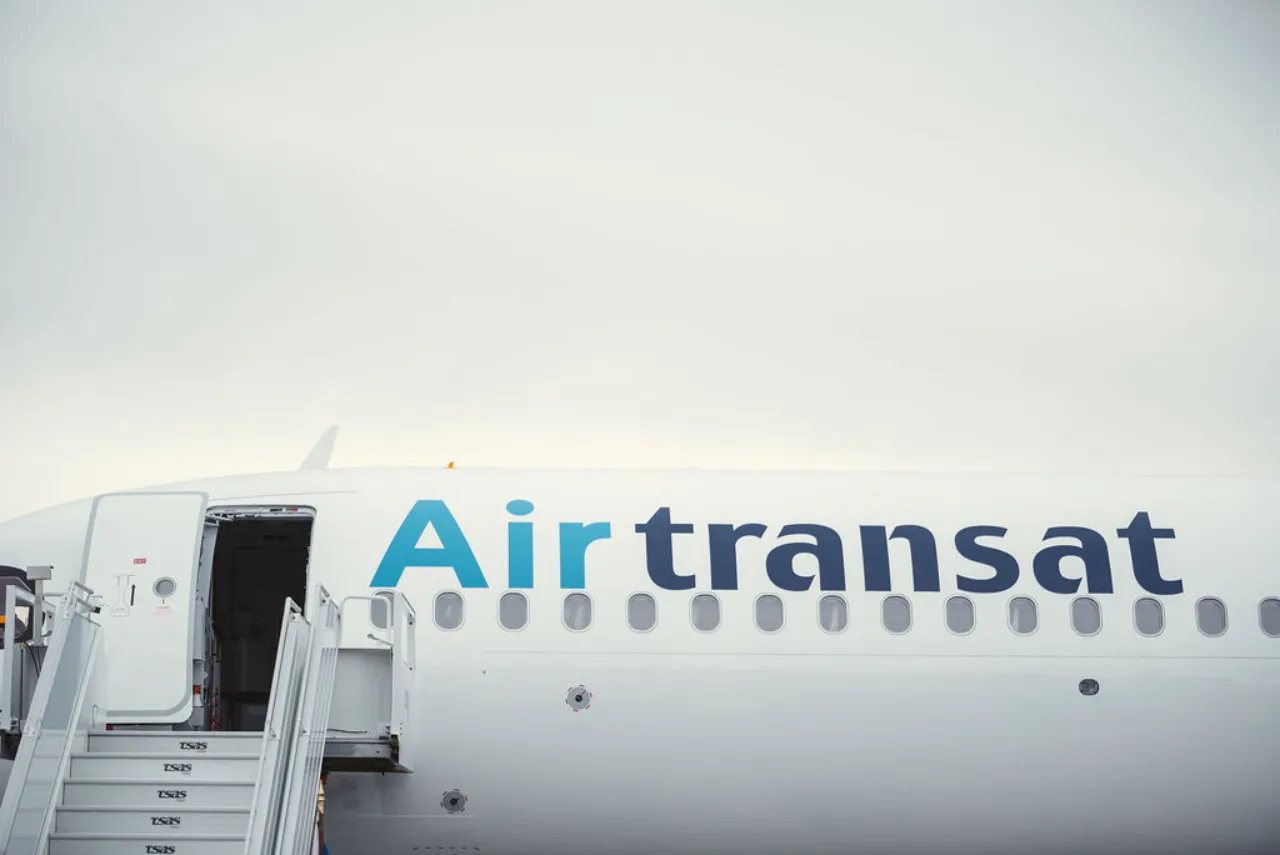
Air Transat begins cancelling flights and activating an early repatriation program as a potential pilots’ strike approaches on 10 December, prompting widespread travel disruption across its network.
The airline says it is implementing a “gradual and orderly suspension” of operations after receiving a 72-hour strike notice from the Air Line Pilots Association (ALPA), which represents its flight crews.
The move affects customers scheduled to travel between 9 and 12 December, with Air Transat urging passengers to verify itineraries as more cancellations are expected. The airline has launched an early return plan for travellers abroad and warns that flight operations may cease entirely if a strike begins as scheduled.
Mounting Disruption as Strike Deadline Approaches
Air Transat confirms it has started cancelling flights and adjusting schedules after ALPA issued a strike notice on 7 December. The union has stated that pilots may legally walk out at 03:00 local time on 10 December under the Canada Labour Code. Air Transat says the gradual cancellations aim to prevent passengers and crews from becoming stranded should operations stop suddenly.
ALPA represents Air Transat’s pilots and has been in extended negotiations with the airline over pay, scheduling rules, and job stability. Earlier this month, the union reported that 98% of eligible members voted, with 99% in favor of authorizing a strike. The strong mandate reflects a deep divide between pilots and management on compensation, working conditions, and competitive parity with other Canadian carriers.
According to the union, pilots have experienced years of wage stagnation and are seeking improvements aligned with broader market standards. Air Transat says it offered a multiyear package including a 59% salary increase over five years, enhanced scheduling provisions, and additional quality-of-life measures. In a statement, the airline called the strike notice premature and said the company “will have to implement a gradual and orderly shutdown plan” to protect customers.
Repatriation Plan and Passenger Impact
The carrier’s early-return program allows travellers abroad to come home ahead of the potential service interruption, prioritizing those originally scheduled to depart on 9 and 10 December. The airline is contacting affected customers directly and offering rebooking options. Travellers whose flights are cancelled may request a full refund or accept a travel credit valid for 12 months under Canadian regulations.
Travel advisors and passenger-rights groups caution that customers should avoid cancelling flights preemptively unless the airline formally cancels them. If passengers cancel voluntarily, they may forfeit eligibility for compensation under federal air passenger rules. Air Transat, meanwhile, instructs passengers to monitor flight status updates on its website at airtransat.com as the situation evolves.
Consumers booked on package holidays may face additional complications. Under Canadian travel industry regulations, travellers may be entitled to refunds or alternative arrangements for unused hotel nights, activities, or ground transportation if flights are cancelled due to a work stoppage. Travel retailers report an influx of inquiries as customers attempt to assess the risk of disruption during the peak holiday travel period.
The airline says it is prioritizing communication with passengers whose itineraries are most at risk, though reports indicate some customers are receiving notifications only hours before departure. Air Transat advises those with travel scheduled through 12 December to expect possible delays or cancellations as negotiations continue.
Before the strike notice, Air Transat pilots and management had been engaged in federal mediation, but both sides reported little progress. ALPA argues that pilots have reached “a breaking point” and say they are prepared to strike unless a fair agreement is reached. The airline maintains that its latest proposal offers substantial improvements and says further escalation will harm travellers and threaten the company’s recovery.
The looming strike adds pressure to Canada’s winter travel season. Air Transat, a major leisure carrier, operates flights across Europe, the Caribbean, Mexico, and the United States, with operations heavily concentrated in Quebec and Ontario. A shutdown could affect thousands of passengers heading to and from warm-weather destinations during one of the busiest periods of the year.
Industry analysts note that disruptions of this scale can have ripple effects, particularly in markets served by few competitors. With limited spare capacity in the system, passengers displaced by cancellations may struggle to secure alternatives on short notice. Some travellers are already reporting sold-out routes and high fares on other carriers as demand shifts.
According to Reuters, Air Transat has begun suspending flights to ensure aircraft and crews are positioned where they can support the repatriation effort. The airline says it will resume full operations only if an agreement is reached or the strike notice is withdrawn. Negotiations between the airline and ALPA are ongoing, though both parties have signaled significant gaps remain.
For now, Air Transat continues to advise travellers to check the latest updates online and await direct notifications regarding their itineraries. With less than 24 hours before a possible walkout, the airline says its focus is on returning customers safely and minimizing the scale of disruption while talks proceed.