If you do happen to see an establishment with the word ‘casino’ in its name, then there is one thing you would expect to get from visiting it – the opportunity to gamble.
Nowadays the term “casino” applies not only to building with roulette and poker tables and slot machines. It often means an online casino platform, and there are many different licensed casinos out there. You’ll find sites like Progress Play casinos, which run on a ready-made platform that supplies software and core systems for operators. Also, there are plenty of independent online casinos that don’t rely on shared platforms. In this context, if a website calls itself a casino and holds a valid licence, the situation is straightforward — it is a gambling platform.
But there are places which do call themselves a casino, without actually being what we typically think of a casino being today. Here we have a look at some casinos that were never designed for gambling.
What Does “Casino” Mean?
Before embarking on the journey of exploring non-gambling casinos, it’s a good idea to have a look at the etymology of the word. ‘Casino’ has Italian origins and comes from the word ‘casa’ which means house. The ‘ino’ suffix implies a diminutive form, so ‘casino’ translates as ‘small house’, but has more of a loose translation as ‘social club’.
Where the confusion arises is that the modern English version of the word ‘casino’ has washed over those original meanings. The name is now synonymous with a place specifically being a gambling facility.
Catalina Casino
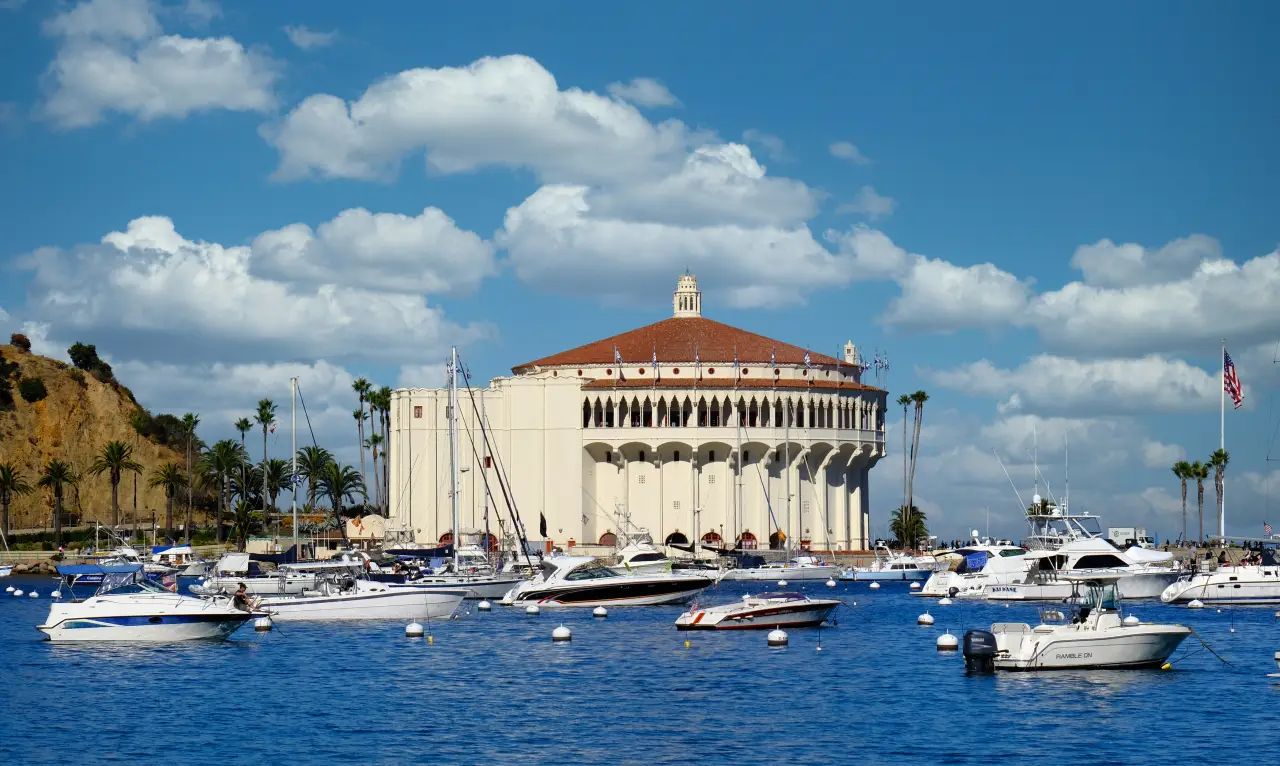
Located on Santa Catalina Island off the shore of California, is the Catalina Casino. It is a fantastically historic building in Avalon Bay, and it dominates the view when approaching the island with its curved facade.
The original building was called the Sugarloaf Casino as it was built on Sugarloaf Point and was used as a ballroom and a school before it was demolished to be replaced by the new art deco-styled Catalina Casino in 1929.
Inside there is a massive movie theatre that houses more than 1,000 people, and above it, a grand ballroom. The Catalina Casino also has a museum, and visitors can yacht over from the mainland to catch movies there and attend major events.
Casino Theatre
The Casino Theatre in Copenhagen, Denmark was a grand, towering structure that was created as a hub for entertainment. It was envisaged by Georg Carstensen, the same man who had the amusement park Tivoli Gardens constructed.
The venue opened its doors in 1847 and just a year later was converted into a theatre, hosting a variety of shows for people of all ages and tastes, from comedies to operas. The venue would also host concerts, and balls, and was associated with political meetings.
The Casino Theatre was closed in 1937 under increasingly tough economic times, and after it was converted to a warehouse, the building was demolished in 1960.
Casino at Marino
This was indeed a ‘small house’ that was constructed as a pleasure house in Dublin, Ireland and construction on it was finished in 1775. The diminutive monument is now regarded as being the most important Neoclassical building in the country, and it was part of a beautifully constructed estate landscape, once described as a ‘terrestrial paradise’.
Casino Luxembourg
This is another ‘casino’ that does not have anything to do with gambling. Instead, the Casino Luxembourg, situated right in the heart of the country, is a contemporary art centre. It’s a very important cultural location that hosts exhibitions, conferences and workshops, with a bookshop, library and restaurant.
Real Casino de Madrid
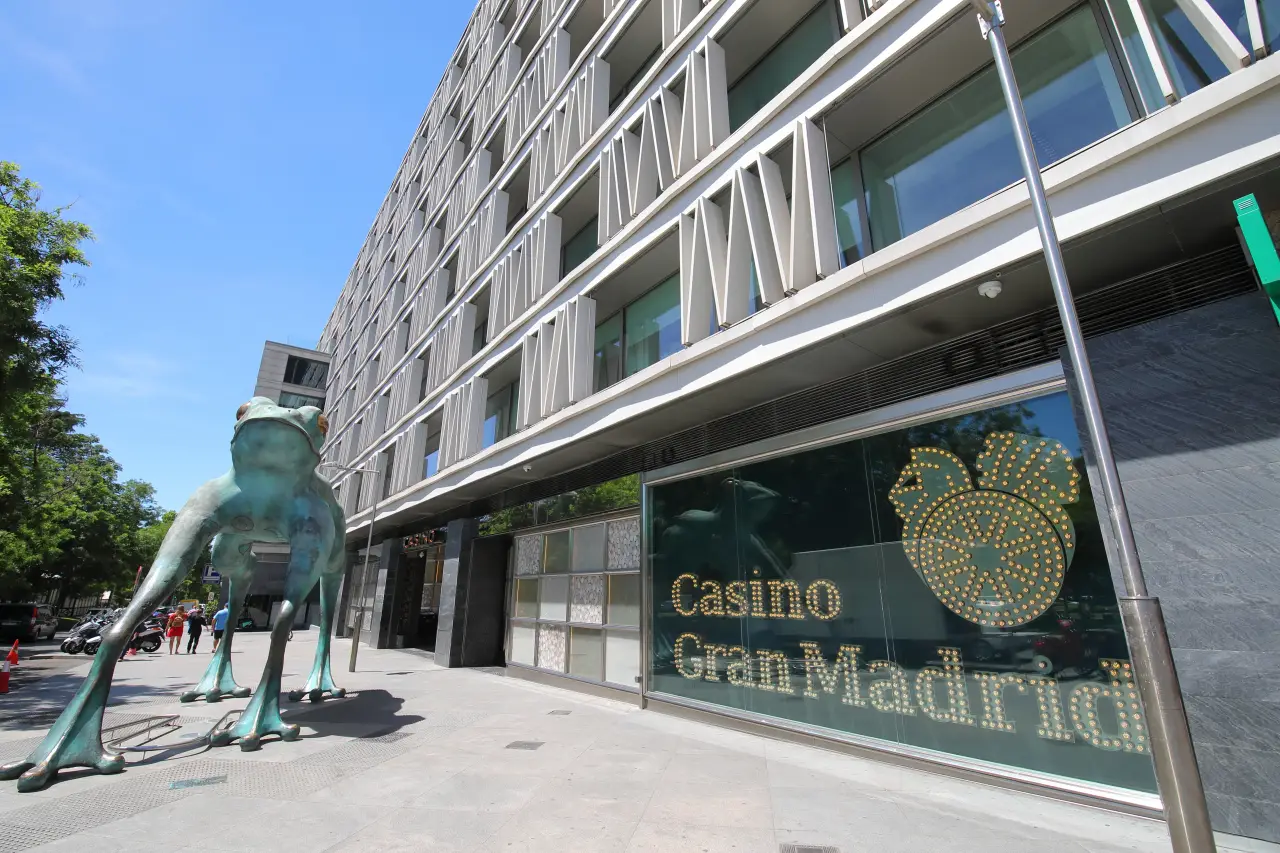
The Casino de Madrid is a social club in the heart of the Spanish capital. It’s a gathering spot for private members, but it also opens its doors for social events and cultural activities. It’s easily one of the grandest venues on this list, boasting a massive, palatial staircase. There are party rooms, and living rooms which include restaurants and a bar.
Casino de Paris
The French capital is home to the Casino de Paris, which is a venue for entertainment. It hosts everything from music to shows and has been an important part of the Parisian scene since the 19th century. The original building was constructed in 1730 and now is home to everything from revues, to drag shows and comedy.
Top Photo Credit: Darryl Brooks / Shutterstock.com