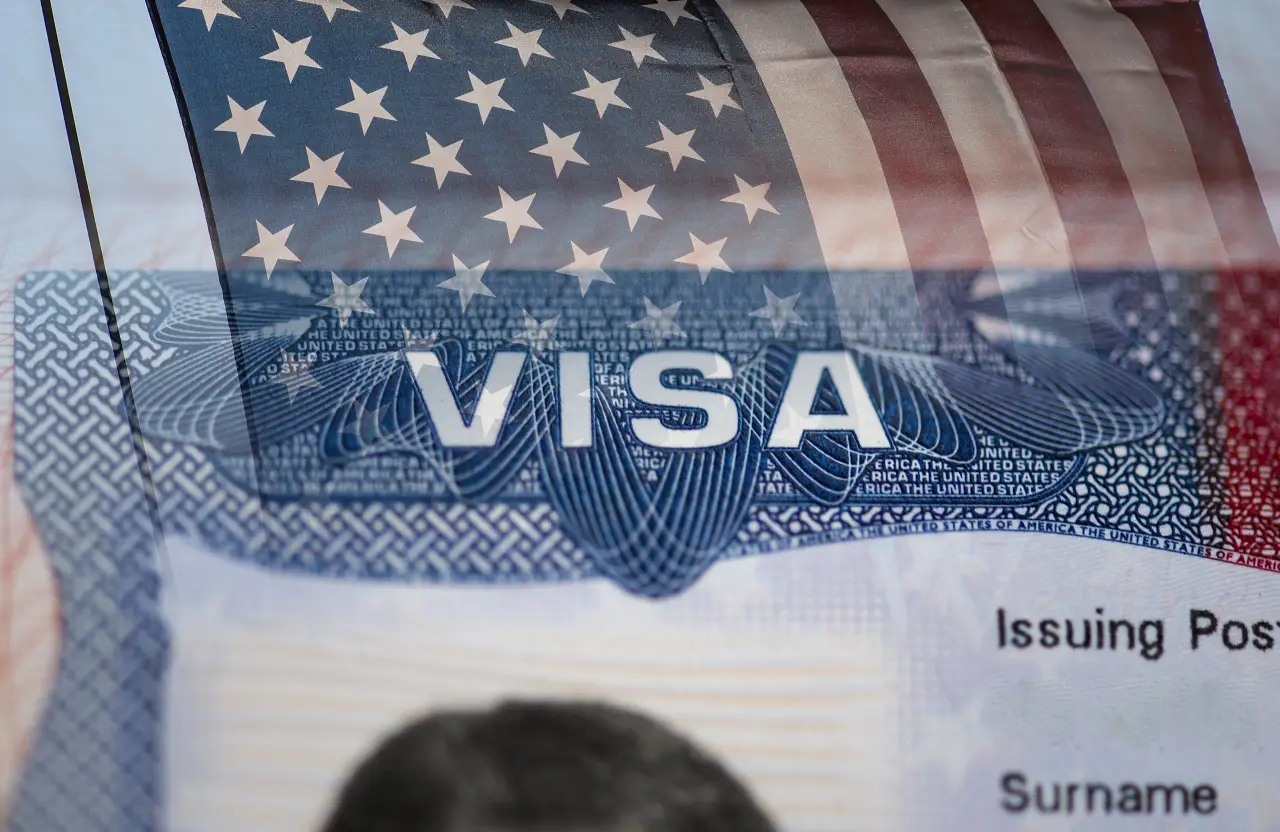
The U.S. Department of Homeland Security has suspended the Global Entry trusted traveler program during the ongoing partial government shutdown, prompting criticism from major travel industry groups and members of Congress who warn the move is worsening airport congestion and disrupting international travel. The suspension, which took effect over the weekend, halts expedited passport control processing for pre-approved travelers entering the United States at major airports.
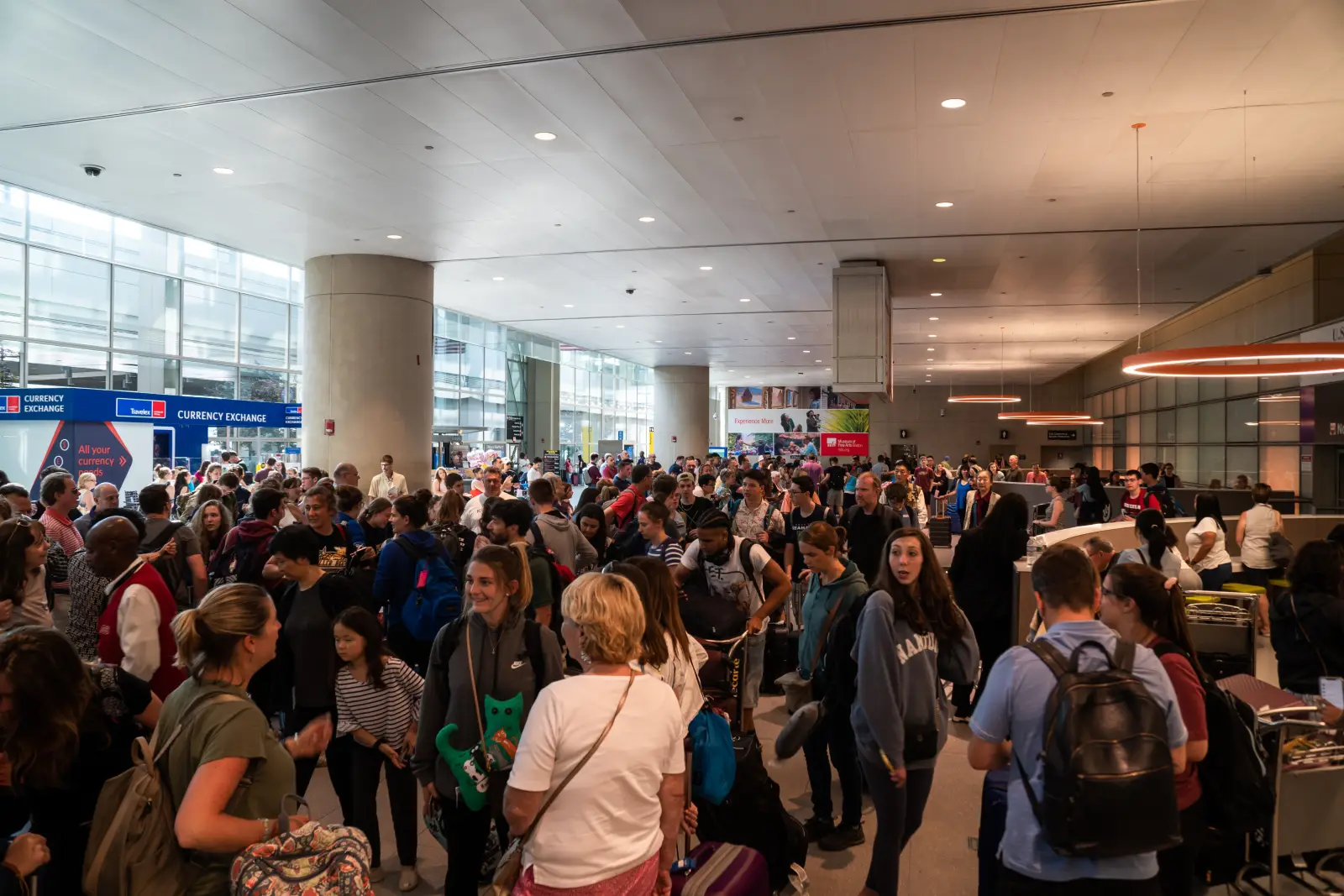
The decision comes as funding lapses at DHS continue to affect border and security operations, even as the agency reversed a planned suspension of TSA PreCheck after public backlash. Travel organizations and lawmakers say keeping Global Entry offline is creating longer wait times at immigration halls and placing additional strain on already limited staffing resources.
Industry groups warn of rising congestion at U.S. airports
Travel sector leaders say the Global Entry pause is undermining one of the most widely used tools for managing passenger flows at busy international terminals. The program allows low-risk travelers to bypass traditional passport control lines by using automated kiosks, significantly reducing processing times at peak arrival periods.
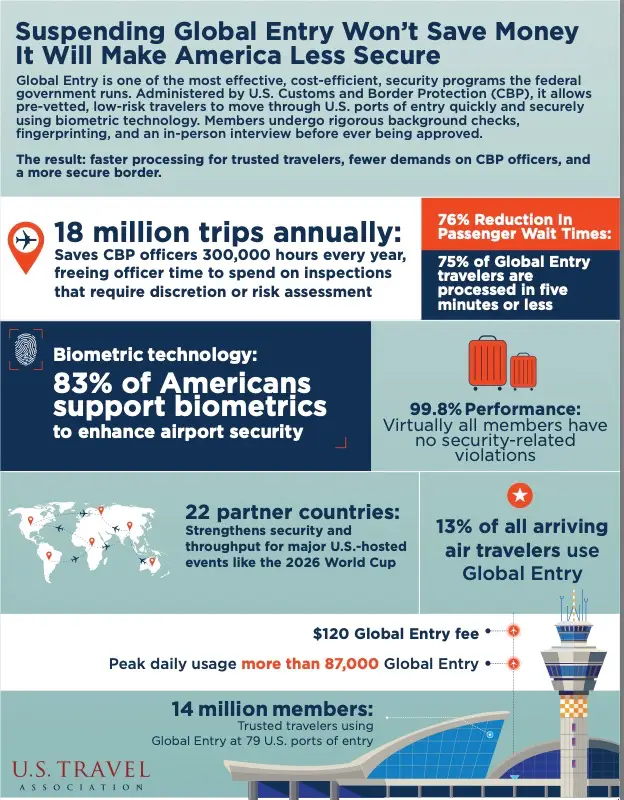
U.S. Travel President and CEO Geoff Freeman said, “Global Entry is a force multiplier for Customs and Border Protection (CBP) that saves the government tens of millions of dollars annually. In 2025 alone, the use of automated biometric technology reduced arrival wait times by 70% and saved officers more than 300,000 hours; time and attention that was redirected toward screening of unknown or higher risk travelers. Suspending this critical security program does the opposite of what the Department of Homeland Security (DHS) intends, adding volume to standard lines, stretching the very personnel the department is trying to protect and increasing security risks.
“Global Entry is far more than a convenience, it is on the front line of national security. Its more than 13 million members undergo rigorous background checks, interviews and vetting. Suspending it doesn’t just slow lines. It increases costs and strips away a layer of security infrastructure that took years to build.
“The program is primarily funded by the $120 fee that members pay. There is no fiscal—or logical—rationale for this decision.
“We urge DHS to restore Global Entry immediately. A smarter, safer, more efficient entry process shouldn’t be a casualty of a funding dispute. And nor should travelers be used as leverage to achieve a political outcome.”
In a statement reported by Reuters, industry representatives urged the federal government to restore Global Entry immediately, arguing that its suspension is unnecessary and counterproductive during a period of heightened travel demand. They warned that removing the program is leading to bottlenecks that could have been avoided, particularly at major hubs such as New York, Miami, Los Angeles, and Chicago.
The U.S. travel media also reported that airline groups and tourism organizations have condemned the decision, describing it as harmful to travelers and damaging to the efficiency of U.S. border operations. Industry leaders stressed that Global Entry is funded by user fees rather than taxpayer dollars, questioning why it was affected by the shutdown at all.
Lawmakers criticize shutdown impact on border programs
Members of Congress from both parties have raised concerns about the broader consequences of the DHS funding lapse, with the Global Entry suspension emerging as one of the most visible travel disruptions. Lawmakers argue that trusted traveler programs are essential to national competitiveness, particularly as international tourism volumes continue to recover and grow.
According to Reuters, legislators have called on the administration to decouple Global Entry from the shutdown process and reinstate it while budget negotiations continue. They say prolonged disruption risks discouraging international visitors and harming business travel, which relies heavily on predictable and efficient border processing.
A Spanish-language travel industry outlet has also highlighted growing alarm at U.S. airports, citing reports of longer queues and confusion among arriving passengers who expected to use Global Entry lanes that are now closed.
Global Entry serves millions of frequent international travelers each year, including U.S. citizens, permanent residents, and approved foreign nationals. Applicants undergo background checks and interviews before being granted access, and the program is widely viewed as a cornerstone of U.S. border modernization efforts.
While TSA PreCheck was initially included in the shutdown-related suspensions, DHS reversed that decision within days following pressure from airlines and travel groups. Global Entry, however, remains offline as of Feb. 25, with no clear timeline for reinstatement.
Industry leaders warn that if the shutdown continues and Global Entry remains suspended, airport delays are likely to intensify in the coming days, particularly as winter travel disruptions already place pressure on airline schedules and passenger processing systems.
Photo Credit: Tetiana Chernykova / Shutterstock.com