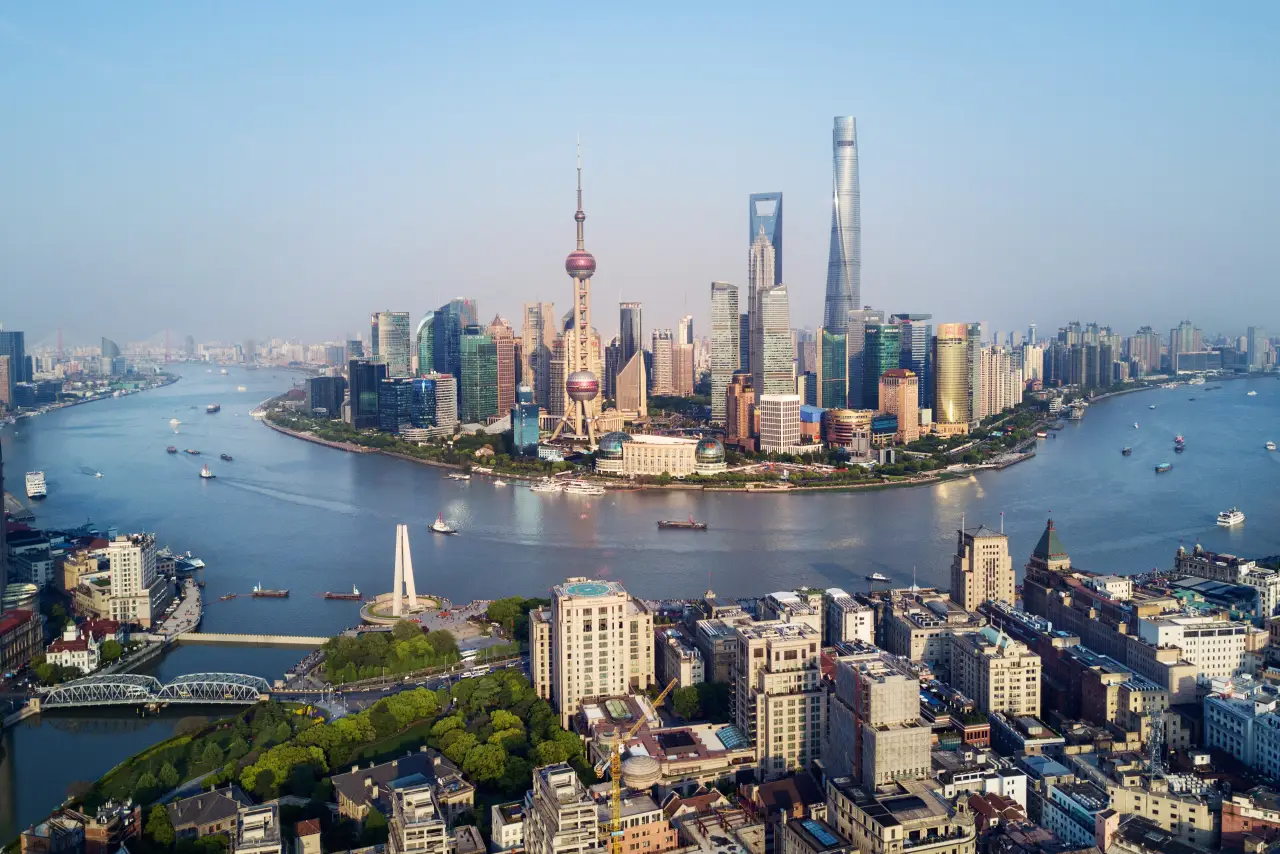
Shanghai’s tourism market rebounded strongly in 2025, with inbound travel rising sharply throughout the year. The city received 9.36 million inbound visitors over the year, further cementing its position as a leading gateway for international travelers visiting China.
Diversified and Balanced Source Markets
According to data from the Shanghai Municipal Administration of Culture and Tourism, inbound arrivals climbed 39.6% year-over-year to 9.36 million, with momentum accelerating toward year-end. December alone saw 1.07 million inbound visits, up 45% from the same period a year earlier.
Overnight stays accounted for the largest share of inbound travel. The city recorded 1.04 million overnight visitors in December, an increase of 47% year-over-year, bringing the annual total to 8.8 million, up 45%. The growth highlighted Shanghai’s renewed appeal to international travelers and its continued role as a major urban destination in Asia.
Major source markets
Arrivals from major source markets rose markedly. Arrivals from South Korea more than doubled to 909,100, a rise of 103% from a year earlier. Visitor numbers from Russia increased significantly, with December arrivals jumping 93% and the annual figure reaching 385,100, up 59%.
Thailand contributed 513,700 visitors, up 70%, while Indonesia and Italy recorded annual increases of 62% and 52%, respectively. Traditional source markets such as Singapore, Malaysia and Australia maintained steady momentum, each posting growth of more than 30%, contributing to a more diversified inbound visitor mix and reflecting broad-based demand across both regional and long-haul markets.
Inbound tourism services expanded in tandem, with travel agencies playing an increasingly central role. Agencies organised 180,500 inbound visits during the year, up 97% year-over-year, including 13,300 in December alone, a rise of 102%. Travel agencies received 274,900 inbound visitors overall, an increase of 55%, of which 231,700 were overnight stays, up 55%, reflecting steadily improving service capacity.
Accommodation Sector Sees Strong Demand
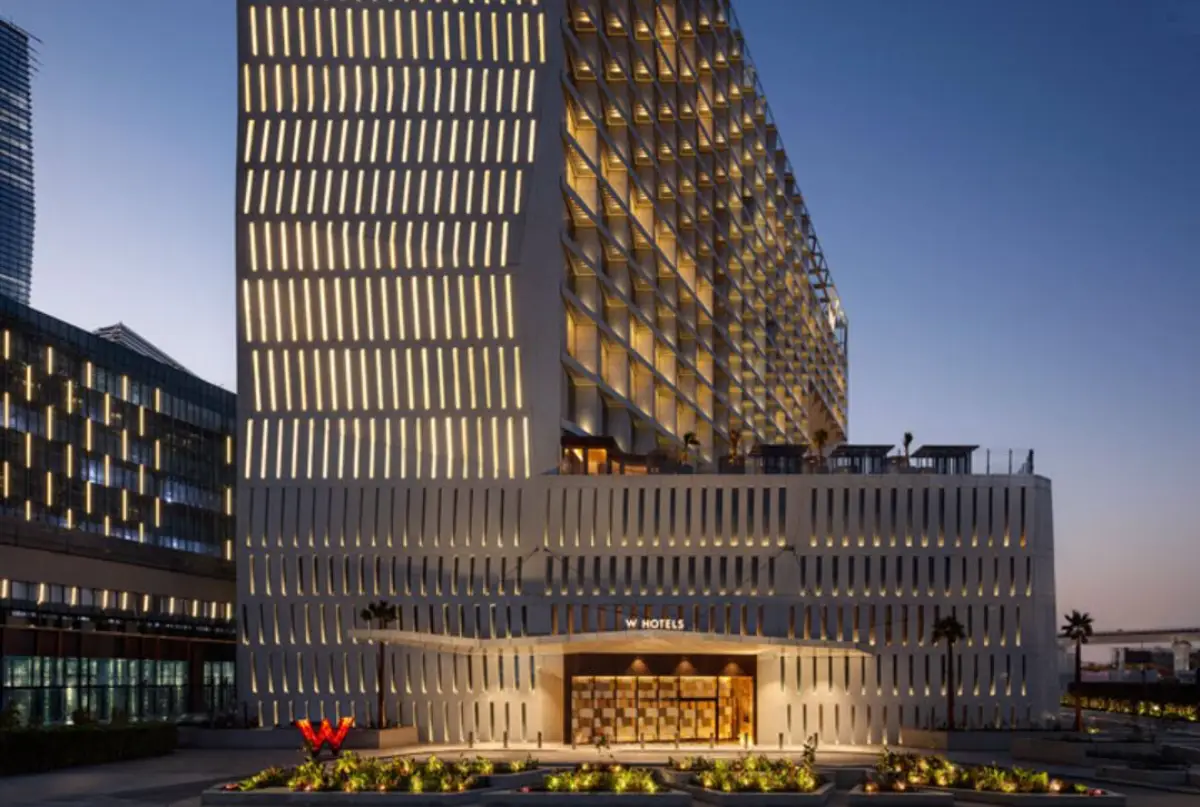
Thanks to visa-free policies and Shanghai’s distinctive urban landscape, several boutique hotels reported robust performance.
Overall, Shanghai’s accommodation market remained buoyant overall in 2025. In December, occupancy rates for star-rated hotels and other lodging establishments were broadly level at 63.30% and 63.29%. Star-rated hotels recorded a full-year occupancy rate of 65.86%, up 2.00 percentage points from a year earlier, reflecting sustained travel demand throughout the year.
Five-star hotels, representing the high-end segment, delivered particularly strong results. Occupancy reached 70% in December, up 4.45 percentage points from a year earlier, while the annual average stood at 71%, an increase of 2.81 percentage points. Average daily room rates also climbed, reaching RMB 1,045 in December, up 9.3% year-over-year, with the annual average at RMB 978.
As more targeted, high-end travel experiences come to market, Shanghai is expected to attract a growing number of international visitors in the coming years amid the continued recovery and evolution of global travel.
Photo credit: Bvlgari Hotel Shanghai