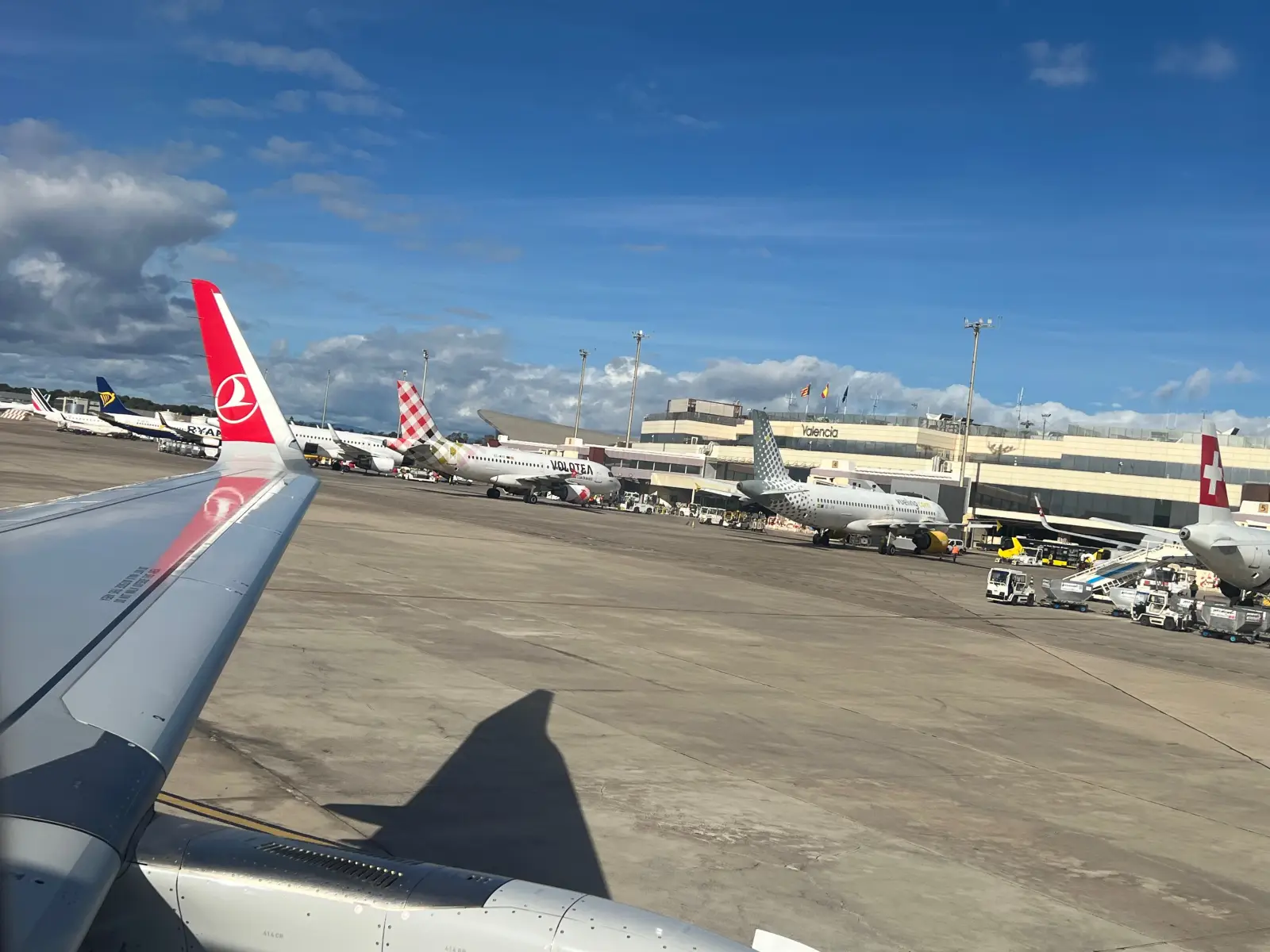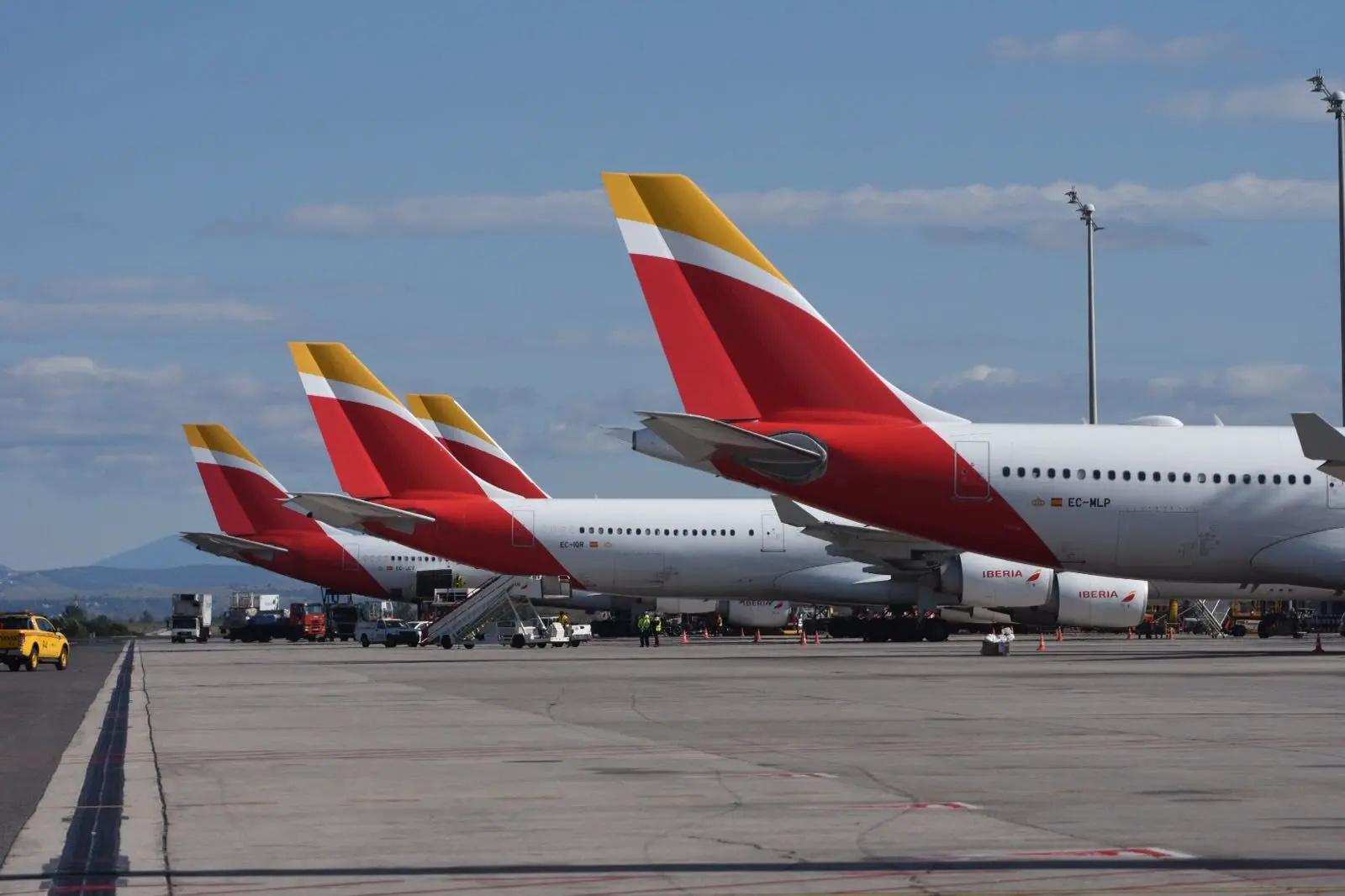
Spanish airports are reporting stable jet fuel supplies as the European Commission prepares an emergency fuel-sharing mechanism, with airlines and governments racing to prevent widespread flight cancellations across Europe before the peak summer travel season.
The crisis has been triggered by the US-Israeli war with Iran and the effective closure of the Strait of Hormuz, which has severely disrupted global aviation fuel supply chains. The EU depends on the Gulf for nearly 75% of its jet fuel imports, leaving most member states exposed to mounting shortages.
Spain’s Domestic Refining Capacity Provides a Buffer
Spain is in a stronger position than most of its European neighbours. Airport operator Aena has confirmed there are currently no supply problems at Spanish airports, based on information from storage companies. The Secretary of State for Tourism, Rosario Sánchez, described the sector as being in a state of stability amid what she called immense uncertainty, with price rises on the horizon.
Javier Gándara, EasyJet’s chief executive for Spain and Portugal and president of the Spanish Airline Association, offered a clear explanation of why Spain is better insulated. “Only 11% of the crude oil that is imported and then refined here comes from the Middle East, which is the percentage affected by the closure of the Strait of Hormuz,” Gándara said. “The remaining 89% comes from elsewhere.” He added that producers and airports were reporting no supply problems for the next three to four weeks, though he cautioned that visibility beyond that window was limited.
Spain’s Economy Minister Carlos Cuerpo added that assessment, noting that Spain imports far less kerosene than other countries due to its refining infrastructure, which refines approximately 80 to 85% of its aviation kerosene domestically.
Spain Backs EU Fuel Sharing as Emergency Proposal Lands
Despite its relative stability, Spain has signalled it is ready to contribute to a collective European response. Energy Minister Sara Aagesen confirmed on Monday that Spain would actively participate in a potential EU plan to share jet fuel stocks and sees joint purchases as a viable option. “Spain has always demonstrated its commitment to solidarity and working together. We will see what the proposal entails and we will participate actively,” Aagesen said.
The European Commission unveiled plans on 20 April for a jet fuel sharing mechanism designed to allocate limited stocks efficiently across all 27 EU member states, with an emergency proposal formally presented on 22 April. EU Energy Commissioner Dan Jørgensen said the situation would become quite serious and that the measures were needed to prevent individual airports or member states from being hit disproportionately harder than others.
On the supply side, alternative sources are beginning to fill part of the gap. US exports of jet fuel to Europe are set to reach between 164,000 and 174,000 barrels per day so far in April, a near-record level. Imports from Nigeria are also at their highest on record, at between 78,000 and 96,000 barrels per day, reflecting the growing role of the Dangote refinery in Lagos, Africa’s largest, which launched in 2024. Despite these inflows, jet fuel inventories at the Amsterdam-Rotterdam-Antwerp storage hub fell to their lowest level in four years last week.
IATA Director General Willie Walsh has warned that European flights could start to be cancelled from the end of May if supply conditions do not improve, putting the busy summer travel season at risk across the continent.