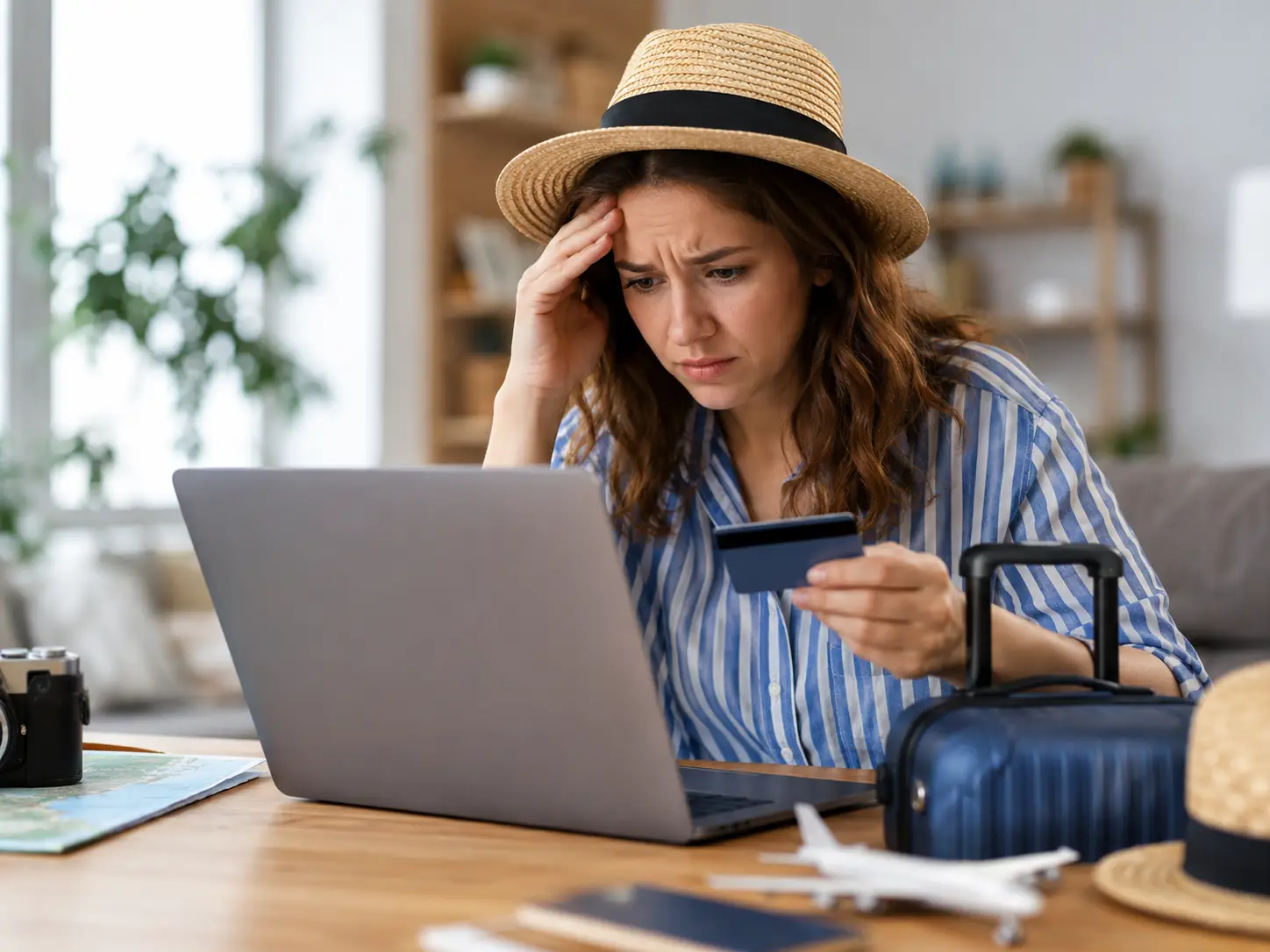
Nearly half of Germans have already fallen victim to travel fraud, according to a new study from security firm McAfee. The research found that 48% of German travellers said they had been caught out by a scam, while 36% of those affected lost money.
The report comes as many holidaymakers hunt for cheaper summer trips and rush to book before prices rise. McAfee said that pressure is helping criminals exploit travellers with fake offers, copied websites and messages that look like they come from airlines or hotels.
The study also found that 91% of travellers feel under pressure to book quickly, and one in three admitted ignoring warning signs to avoid missing a deal. McAfee said artificial intelligence is now making scams harder to spot, with 56% of Germans believing AI-generated content makes travel fraud much more difficult to identify.
The findings point to a growing mix of old and new tactics. Fake booking confirmations, manipulated holiday rental ads, bogus special offers and cloned hotel or airline websites remain common. Some criminals also pose as customer service staff to win trust.
AI tools now allow fraudsters to produce convincing emails, websites and messages that imitate well-known travel brands. The study said this makes it harder for travellers to tell the difference between genuine communication and a scam. Criminals are also using manipulated QR codes, which they place over real ones in hotels, restaurants and airports. When scanned, these codes can send users to fake websites or collect personal data.
Men and younger adults appear to be taking more risks. McAfee said 40% of men would book a cheap travel offer without checking whether it is legitimate. People under 45 were also more likely than older travellers to act quickly on suspicious deals.
Connectivity also creates vulnerabilities. The study found that 87% of travellers use public Wi-Fi while away, including in hotels, cafes and airports. Some then log in to banking apps or financial services on those networks, which security experts say can expose data to criminals.
Posting holiday updates online can also create problems. Public posts can alert burglars that a home is empty, and they can give fraudsters details to craft targeted fake messages. McAfee said travellers should be especially cautious with unsolicited offers and messages during the holiday season.
The company advised people to book directly through official airline, hotel or travel company websites wherever possible. It also urged users to check links carefully before clicking, avoid trusting unusually cheap deals and be wary of messages that try to create a false sense of urgency.
Travellers using public Wi-Fi were advised to use a VPN, which encrypts internet traffic and helps protect personal data. Security experts also recommended checking QR codes closely before scanning them, especially if they appear tampered with or lead to unfamiliar web addresses.
The study was based on a survey of 6,000 people in Germany, the United States, France, Britain, Australia and Japan. In Germany, 1,000 adults took part.