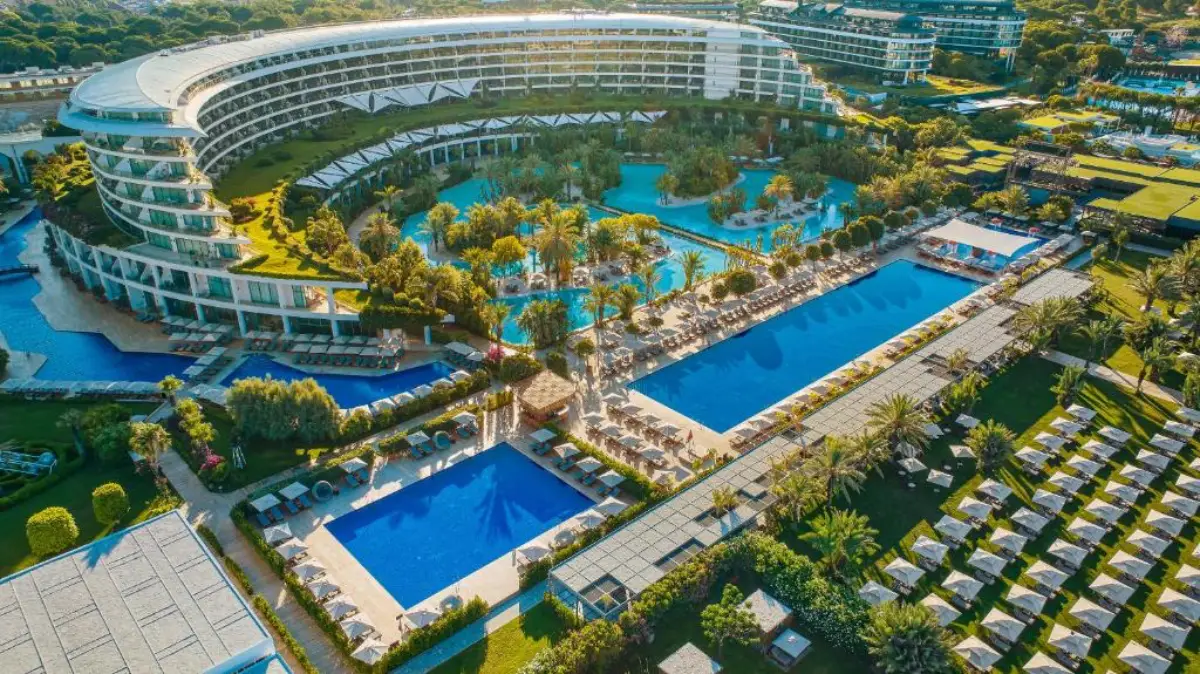
Hotels in popular European resorts are using unusual tactics to tackle one of tourism’s most familiar disputes: guests reserving pool loungers with towels and then leaving them empty for hours.
Some properties have started removing towels, organising lotteries for scarce sunbeds, and assigning umbrellas for an entire stay as they look for a practical way to stop the rush for the poolside.
The problem has been long-running enough to reach the courts in some cases, and recent examples show that many hotels still have not settled on a single solution.
On some properties along the French coast, a horn sounds twice a day. Guests who are not on their loungers when it goes off can have their towels and belongings taken away and placed in lost property.
At other hotels on the Cote d’Azur, staff draw lots when there are not enough loungers for everyone who wants one. In those cases, guests compete for the available spaces rather than claiming them early in the morning.
In Protaras, Cyprus, some hotels reserve loungers strictly for the whole holiday. In Paphos, another property follows the same approach and says it works.
In some of these cases, the lounger is agreed at check-in and cannot be changed later. That means guests keep the same space for the duration of their stay.
Another hotel in Cyprus has gone further by numbering its umbrellas and allocating one for every two travellers for the full holiday. A family of four receives two umbrellas.
In Ibiza, one hotel uses a more mysterious method. Towels left on loungers overnight end up in the pool, so each morning the process starts again.
The measures underline how difficult the issue remains for hotels in busy resort areas, especially in peak season when demand for poolside space can exceed supply.
The wider debate has also had legal consequences. Earlier this week, a court ruled against Tui in a case involving a hotel in Greece over a lack of loungers.
For many operators, the challenge is balancing fairness, guest comfort and order around the pool. The examples now emerging across Europe suggest that hotels are willing to experiment when traditional rules do not work.
The approaches vary from playful to strict, but all are aimed at the same problem: preventing guests from occupying pool areas before they are ready to use them.
Some industry observers may see the methods as a sign of desperation. Yet for hotels dealing with packed pools and repeated complaints, the priority is to keep the space usable for as many guests as possible.