Croatia has passed a law allowing its cities and towns to restrict overnight alcohol sales in shops, handing local authorities a new tool to curb the rowdy, late-night drinking that has fuelled friction between tourists and residents in some of its busiest resorts.
The country’s Parliament adopted the amendments to the Trade Act on Friday, 30 May 2026, in a unanimous vote, with all 117 lawmakers present in the 151-seat assembly backing the measure. Under the new framework, municipalities can decide for themselves when retailers in their area may sell alcohol, typically targeting the hours between 20:00 and 06:00.
The rules apply to shops, supermarkets, petrol stations and online delivery platforms. Bars, restaurants, nightclubs and other licensed hospitality venues are exempt, meaning tourists will still be able to drink in licensed establishments late into the night even where shop sales are curbed.
The government framed the law as a way to protect public health, public order, cultural heritage and the environment. Tourism Minister Tonci Glavina said the goal was to improve the quality of life of residents “who want to live in a good symbiosis with tourism,” rather than see a destination “exist only for tourism,” which he described as unsustainable in the long term.
The legislation also tightens protections for minors. Retailers will be required to refuse the sale of alcoholic drinks, and energy drinks, to anyone they believe is under 18 unless valid identification is presented.
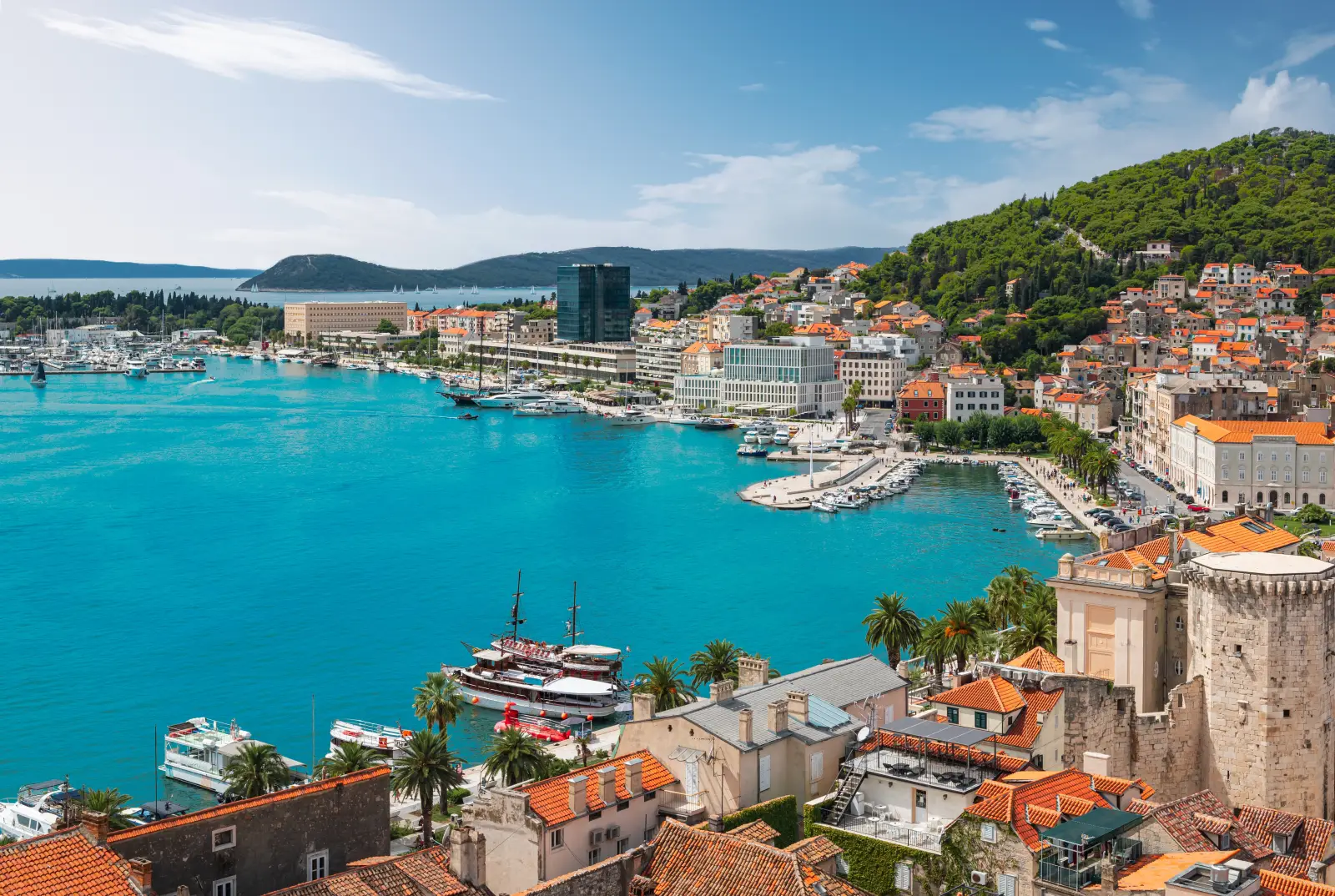
Split, the historic Adriatic port built around the ancient palace of Roman emperor Diocletian, looks set to be among the first cities to act. Its mayor, Tomislav Suta, has said the city will ban shop alcohol sales from 21:00 to 06:00 to curb drunkenness and disorderly behaviour, particularly in its historic centre.
Split, around 400 kilometres south of the capital Zagreb, has become a magnet for party tourism in recent years, helped by events such as the Ultra Europe festival and a busy beach-bar scene. Local media have carried frequent images of heavily intoxicated visitors drinking in the streets, making noise and disrupting residents overnight.
“Split today is not the city I once recognised,” Suta has said, arguing that authorities must listen to residents and restore order and peace to crowded resort zones.
Other destinations are weighing similar steps. The party island of Hvar and the coastal cities of Zadar and Makarska have indicated they may introduce overnight retail bans, while Zagreb mayor Tomislav Tomasevic has said the capital is considering the option. Because each municipality decides for itself, the effect will vary widely from place to place.
Public opinion appears to lean in favour. A February survey for state broadcaster HRT, based on 1,000 respondents, found more than 55 percent support or mostly support restricting retail alcohol sales after 20:00, while close to 40 percent were opposed. Around 45 percent said the main aim should be reducing youth binge drinking.
Tourism is a cornerstone of the Croatian economy, with 21.3 million visitors recorded in 2024, and its Adriatic towns rank among the most popular in the region. The new measures are likely to be felt most by budget-conscious travellers who buy alcohol from supermarkets or kiosks to drink in public spaces or hotel rooms.
For visitors, the practical advice is to plan ahead. Where a city adopts the ban, buying retail alcohol before 20:00 and enjoying evening drinks at licensed bars and restaurants will be the simplest way to avoid disruption. How broadly the restrictions are used now depends on the choices made by each city in the months ahead.
Photo Credit: Nancy Pauwels / Shutterstock.com