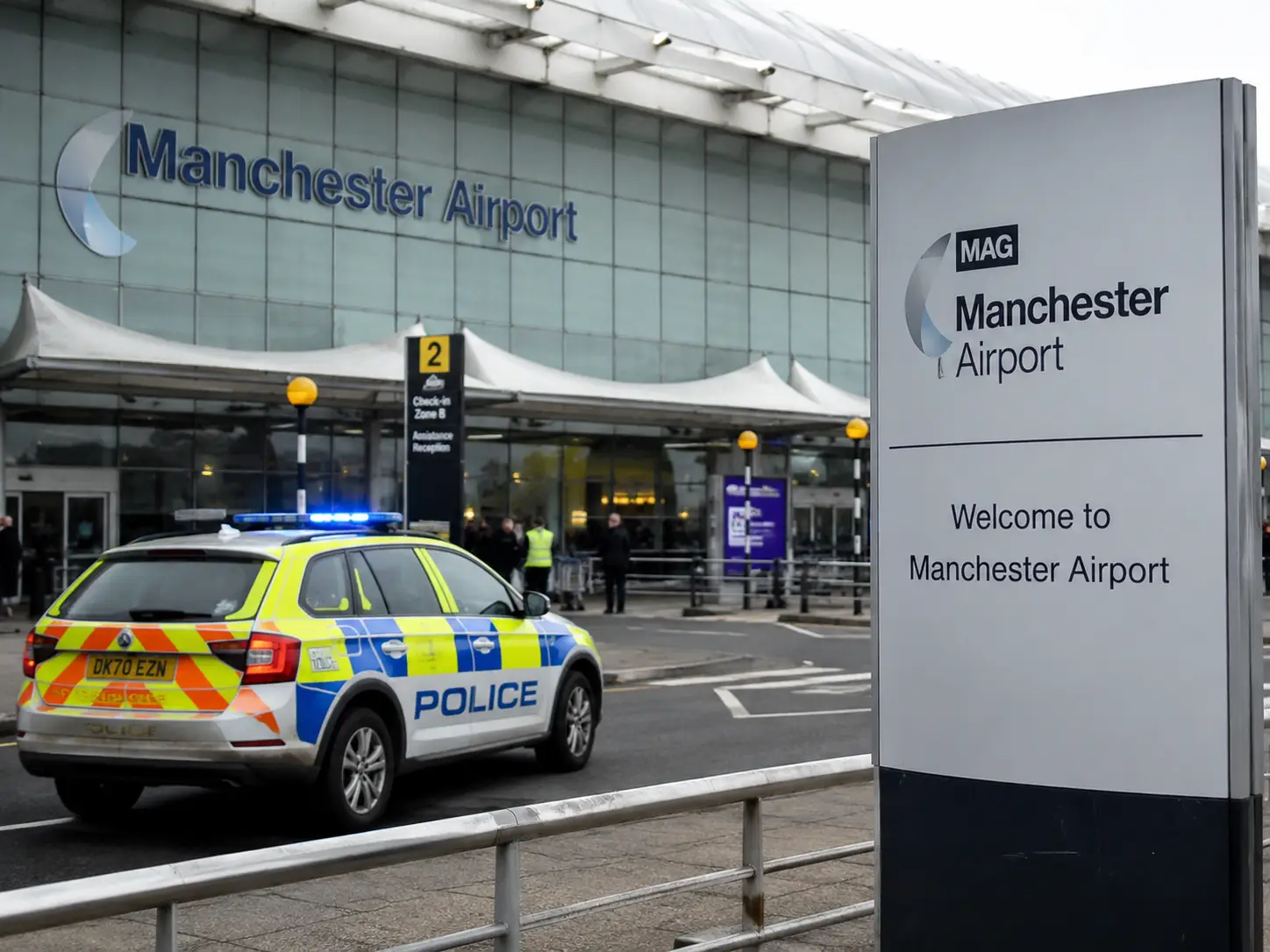
Two flight attendants were arrested at Manchester Airport on 2 May after preliminary breathalyser tests reportedly showed readings above the permitted threshold for aviation duties.
The arrests followed concerns raised by the captain about the crew members’ fitness to perform their duties, according to the information provided.
The preliminary breathalyser results were described as reportedly exceeding the permitted limits for aviation roles. Further operational and legal outcomes were not detailed in the material supplied.
Arrests of cabin crew on suspicion of being over the alcohol limit directly affect airline safety, operations and passenger confidence, and are therefore of interest to travellers and industry audiences.
At this stage, it is not clear which airline the two crew members worked for, what flights they were assigned to, or whether any services were delayed or cancelled as a result of the arrests. The provided information does not specify whether other staff stepped in or how the airline or airport handled immediate operational contingencies.
Authorities carried out preliminary breathalyser testing at the airport; the results that prompted the arrests were described as preliminary and were reported to be above the permitted threshold for aviation duties. No further details on subsequent testing, charges or court appearances were supplied.
Incidents involving alcohol and fitness-to-perform concerns typically raise regulatory and fitness-for-duty questions for airlines and aviation regulators. The provided summary notes these broad implications but does not include statements from regulatory bodies, the airport, or the airline involved.
Travellers scheduled to fly from Manchester Airport around the time of the incident were not given specific advice in the material provided. As standard practice after airport or airline incidents, passengers may wish to check directly with their airline or the airport for the latest travel information and any potential changes to boarding times.
The available information emphasises the safety considerations that lead a captain to report an apparent issue with crew fitness. Captains carry responsibility for the safety of the aircraft and can raise concerns that prompt testing and intervention by police or airport authorities.
Because the facts supplied are limited to the arrests, date, and nature of the preliminary tests, the broader impact on airline policies, crew discipline procedures, or regulatory action remains unspecified. Any follow-up investigations, confirmations of test results, or formal charges would be matters for the authorities and the employer to disclose.
The incident underlines the aviation sector’s strict rules on alcohol and duty. These rules exist to maintain safety standards and to preserve public confidence in commercial air travel, and allegations of breaches typically trigger internal and regulatory reviews.
Further information from the police, the airport, or the airline would be needed to clarify the immediate operational consequences, any legal proceedings, and the final outcomes for the two crew members involved.