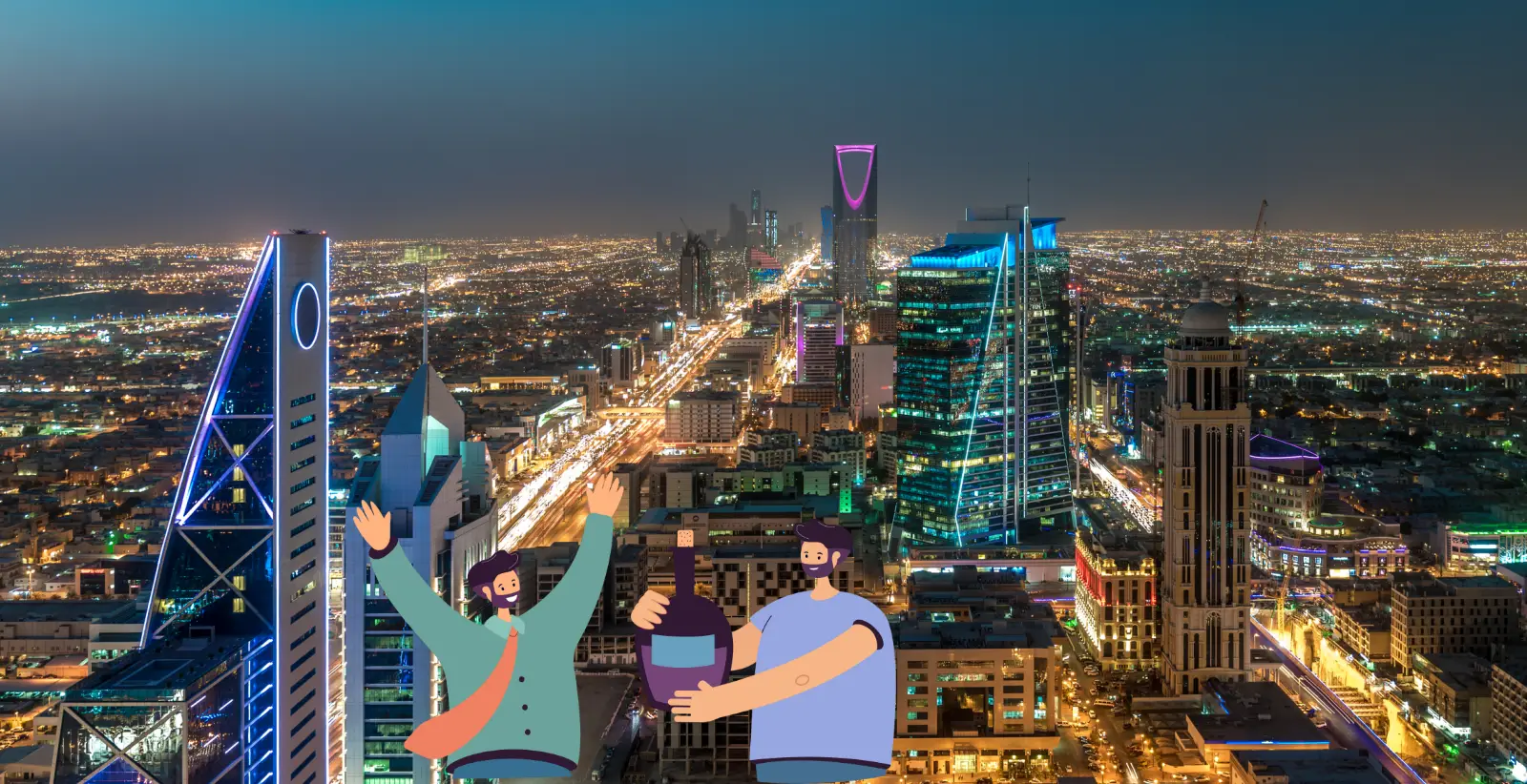
Saudi Arabia will permit alcohol in 600 designated tourist zones by 2026, marking a historic shift in the Kingdom’s approach to international tourism.
The decision, which allows the sale and consumption of wine and beer in select five-star hotels, resorts, and licensed facilities, is seen as part of Saudi Arabia’s broader plan to diversify its economy and compete with tourism-heavy Gulf neighbors.
Strictly Controlled Introduction of Alcohol
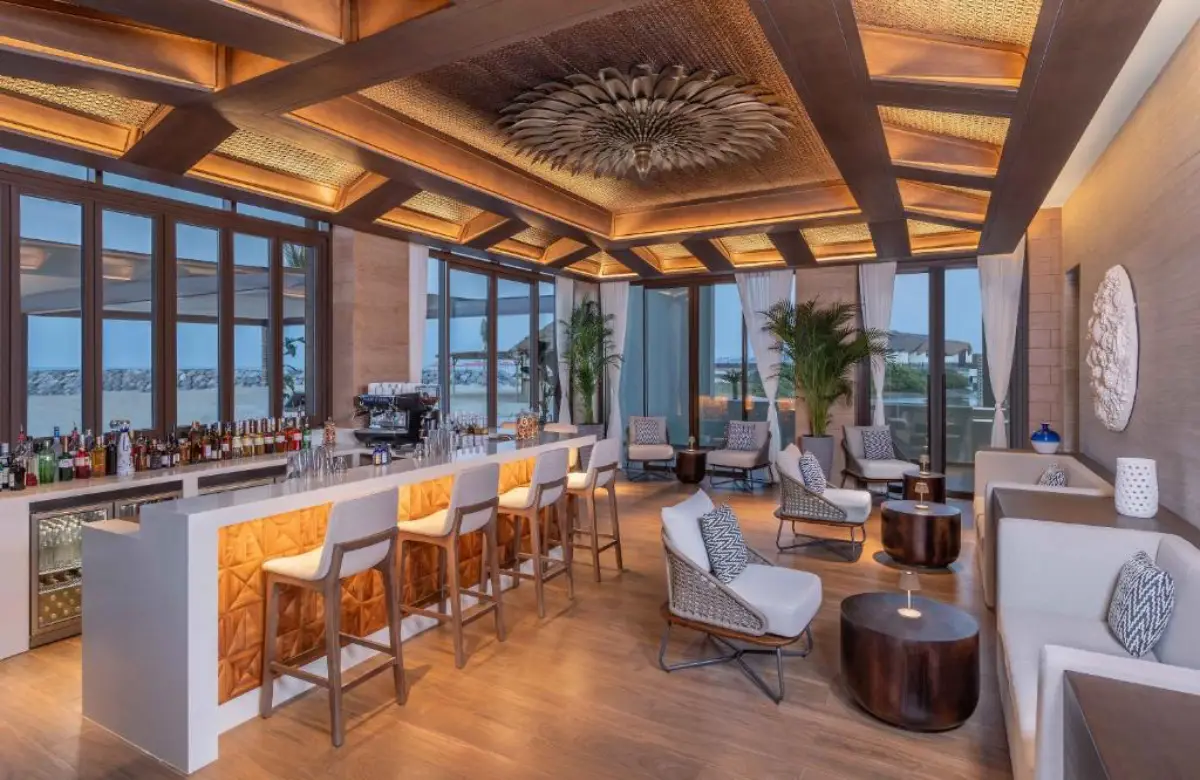
The policy will permit alcohol only within tourist-focused venues such as high-end hotels, holiday villages, and licensed representatives. Public areas, private homes, and retail outlets will remain under current restrictions. This selective rollout reflects the country’s cautious balance between opening up to international tourism and maintaining its Islamic cultural identity.
The plan restricts alcohol consumption to:
- Five-star hotels and luxury resorts
- Tourist villages with international licenses
- On-premise consumption only—no takeaway or retail sales
Wine and beer will be the only beverages allowed under the new initiative. Spirits remain prohibited, underscoring Saudi Arabia’s intention to ease restrictions without completely abandoning cultural norms.
Tourism Revenue Goals and Economic Diversification
This landmark decision is closely tied to Saudi Arabia’s Vision 2030 agenda, which aims to reduce the country’s dependence on oil revenue by boosting sectors like tourism, entertainment, and international investment. The inclusion of alcohol is designed to attract more global visitors, especially those from countries where alcohol is considered a normal part of the travel experience.
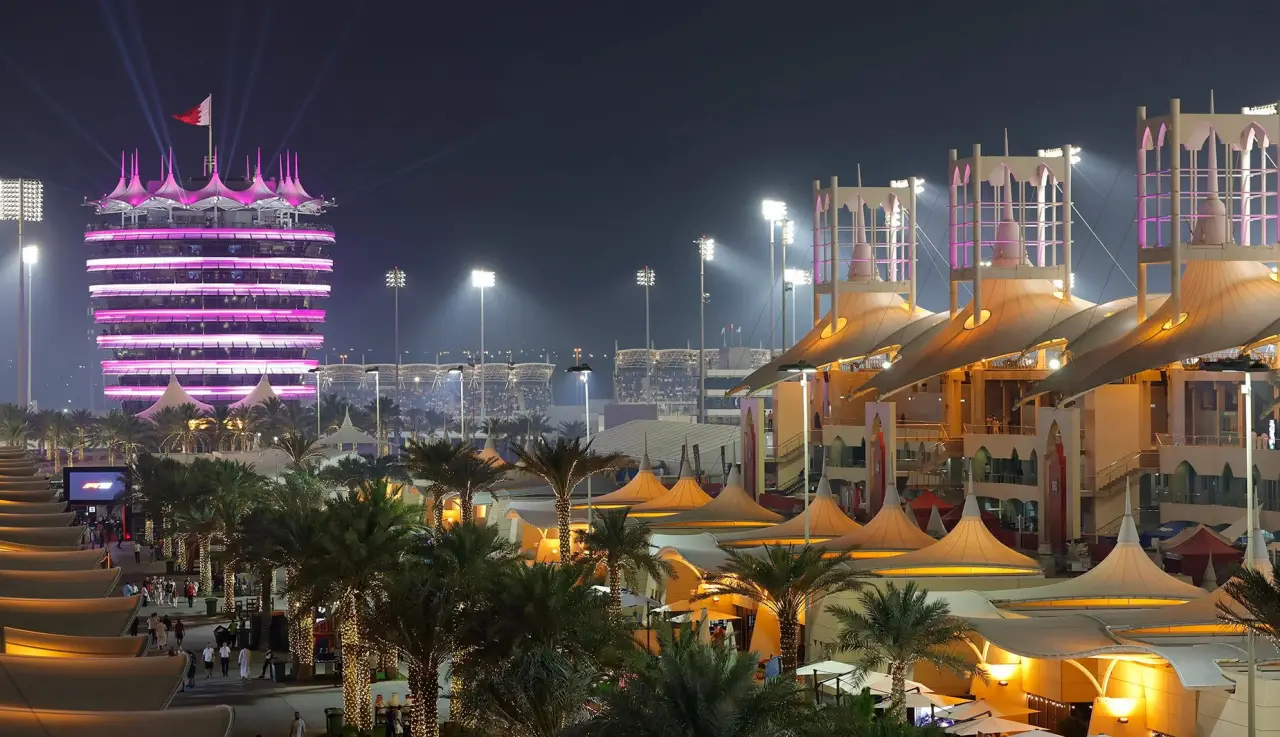
Saudi Arabia is targeting travelers who might otherwise choose destinations like the United Arab Emirates or Bahrain, where alcohol sales are already integrated into the tourism economy. Alcohol-related revenue plays a substantial role in the hospitality sectors of those countries.
| Country | Alcohol Policy | Tourism Impact |
|---|---|---|
| Saudi Arabia | Restricted to 600 tourist locations (from 2026) | New policy to attract international travelers |
| UAE | Alcohol is available in hotels, bars, and licensed shops | Major tourism draw, especially in Dubai and Abu Dhabi |
| Bahrain | Widespread availability in tourism zones | Popular short-stay destination for Gulf residents |
World Cup Influence and Regional Strategy
Experts believe the upcoming 2034 FIFA World Cup, which Saudi Arabia is set to host, played a significant role in the timing of this change. The global nature of the event is likely to draw millions of fans, teams, and officials, many of whom expect international-standard hospitality offerings, including access to alcohol in private settings.
In preparation for these large-scale events, the Saudi government is reportedly in discussions with major hotel chains and event organizers who support the move. Tour operators have already begun revising packages to align with the expected changes in service availability and experience design.
A Broader Shift Toward Tourism Appeal
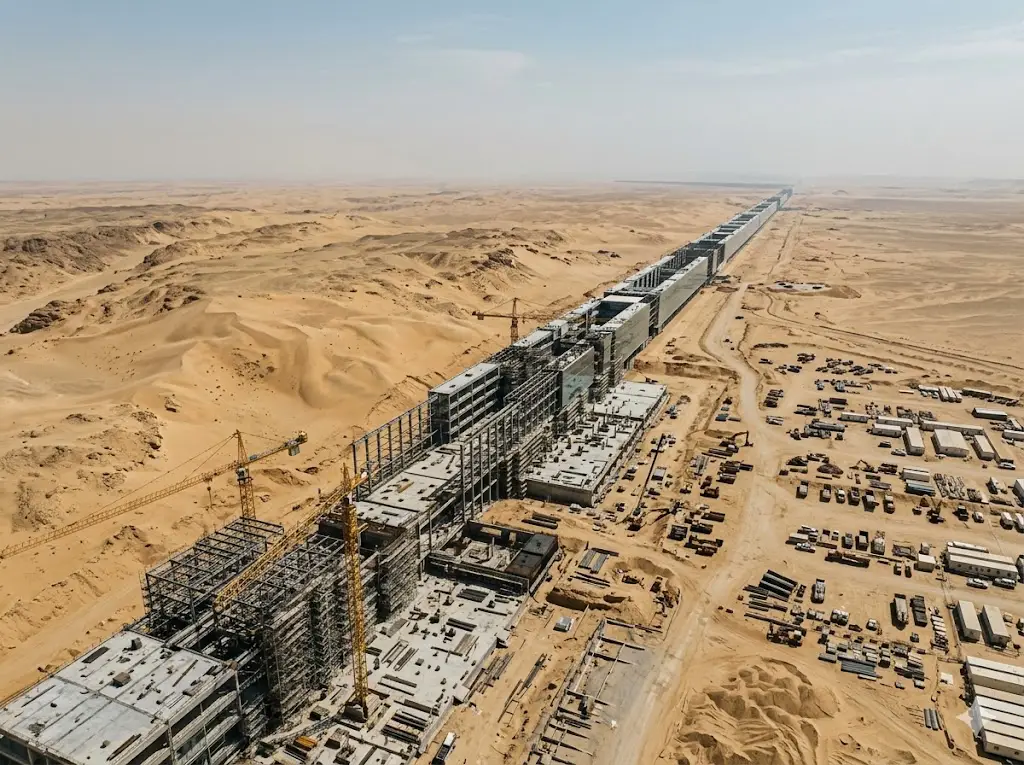
Saudi Arabia has steadily increased its efforts to attract foreign visitors through tourism campaigns, relaxed visa rules, and landmark events. From the Red Sea Project and Neom city developments to the opening of archaeological sites and hosting music festivals, the country is repositioning itself as a dynamic destination for global travelers.
Last year, a swimsuit fashion show held in a Saudi tourist hotel drew headlines as another example of evolving tourism norms. The upcoming alcohol reform builds upon that momentum and signals a more open, cosmopolitan tourism future.
Discussions with international hotel brands are already underway, and excitement is growing within the travel industry as Saudi Arabia takes steps to offer a more competitive and familiar hospitality landscape while still preserving key cultural values. The 2026 rollout is expected to be closely monitored by both supporters and critics of the change, but for now, Saudi Arabia appears ready to embrace a bold new chapter in its tourism journey.