In the first four months of the year, Cuba received just 328,608 international tourists, 55.8% fewer than in the same period the year before, after an April with only 30,551 visitors. Tourism was already in crisis in 2025, when the worst figures since 2002 were recorded — excluding the pandemic years — with 1.8 million visitors.
Tourism is key to the Cuban government’s economic recovery plans because of its contribution to gross domestic product (GDP) and the foreign-currency inflows it generates, which typically rank among the most important alongside professional services and remittances.
US sanctions trigger corporate exits
The Trump administration’s May 1 executive order expanded sanctions on Cuba, targeting GAESA and its subsidiaries across tourism, finance, energy and other sectors. The measures freeze foreign company assets in the U.S., restrict travel for related personnel, and threaten secondary sanctions on non-compliant firms.
The U.S. ultimatum to cut ties with GAESA-linked entities by June 5, with most affected properties already closed due to energy shortages and low occupancy. This has prompted withdrawals by hotel chains and other operators, alongside airlines cutting routes. The loss of foreign hotel operators threatens thousands of jobs and further erodes service capacity in key resort areas.
Hotel chains end management of Cuban hotels
Meliá Hotels International confirmed it will immediately end management, marketing and brand licensing for 15 Cuban hotels, managed through its Portuguese arm Ilha Bela. Meliá, a major player in Cuba since 1990, framed the move as driven by external factors beyond its control that undermined operational, legal and security conditions.
This comes just after it emerged that Indonesia’s Archipelago International, responsible for recent high-profile projects such as the Grand Aston on Havana’s Malecón, was leaving the management of the six hotels it operates.
Iberostar — the second-largest foreign hotel operator in Cuba — decided to stop operating and marketing properties on the island. It said it had decided to keep only 6 of the 18 properties it had been managing. The chain stopped managing, marketing, and promoting flagship hotels such as the Selection La Habana and the Grand Packard.
The first chain to make a decision was Canada’s Blue Diamond Resorts, the third-largest foreign hotel chain in Cuba by number of properties managed including Royalton Hotels & Resort, announced it will fully cease its operations on the island. It operated around fifteen hotels in Cuba, mainly in Havana and in Cayo Largo del Sur.
Iberia cuts flights to Cuba
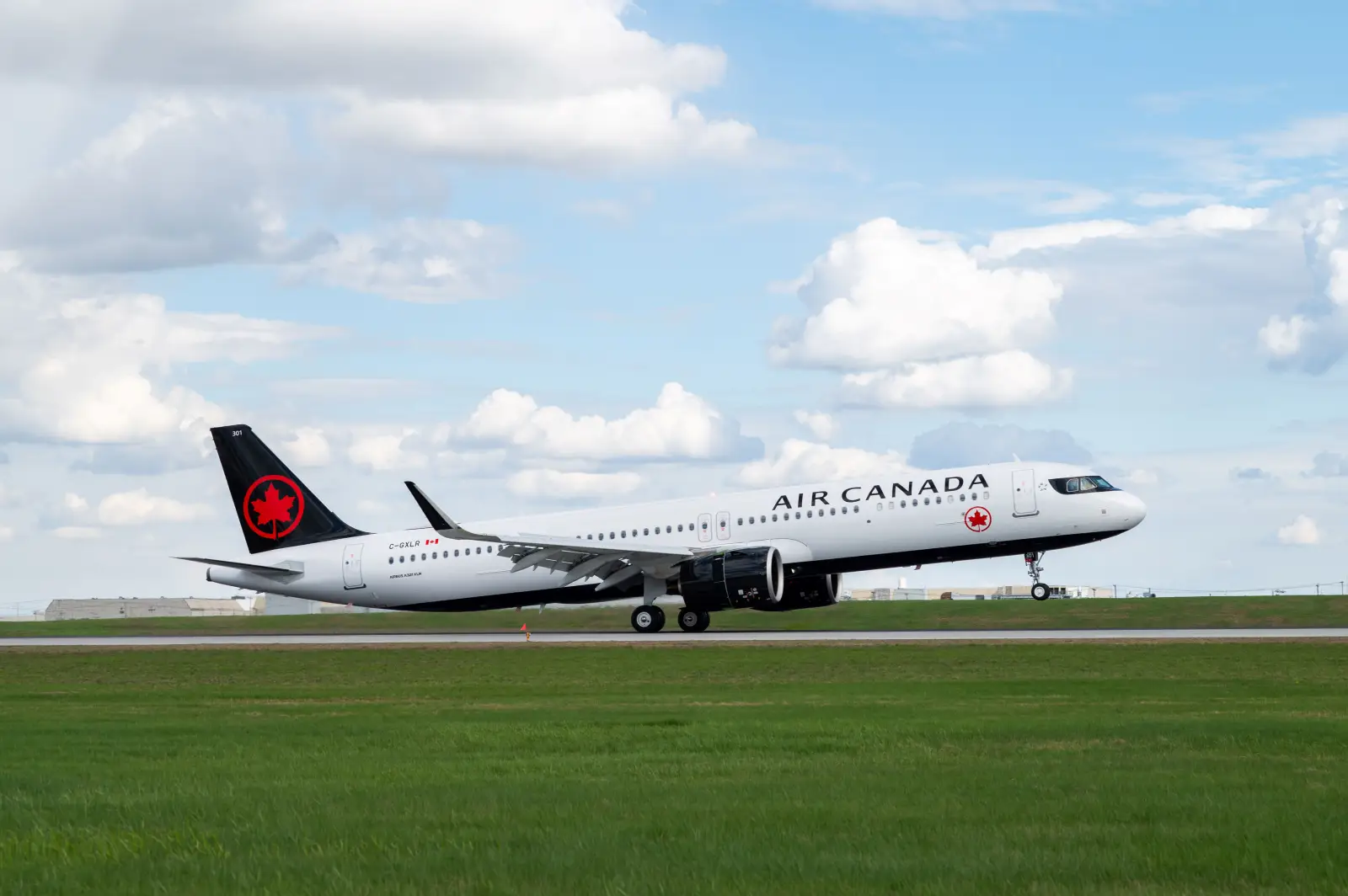
Iberia has temporarily suspended its direct flights on the Madrid–Havana route through October 24, 2026, due to ongoing fuel shortages and deteriorating operating conditions in Cuba. The airline plans to resume its Airbus A330 services to the island in late October. The airline said that passengers with bookings for June 1 to October 24 are allowed to switch their route to Miami, Mexico City, Panama City, or Santo Domingo.
Two European shipping companies, France’s CMA CGM and Germany’s Hapag-Lloyd, meanwhile announced the temporary suspension of freight bookings to Cuba, citing Trump’s executive order.
Financial transactions face new hurdles
Cuba’s central bank announced Visa and Mastercard payments will be suspended from June 6 after a foreign processor cut ties with GAESA-linked Fincimex over U.S. sanctions.
This will limit foreign-currency payments to cash, domestic prepaid cards, and Russian or Chinese payment systems, constraining spending by international visitors. The move compounds the tourism crisis by making transactions more cumbersome for foreign travellers.
Possible future scenarios for Cuba’s tourism
If sanctions persist and foreign operators continue exiting, many GAESA-linked hotels could remain shuttered or be repurposed for domestic use, reducing Cuba’s international tourism capacity. A revival might be possible if geopolitical tensions ease and sanctions are rolled back, allowing re-entry of foreign brands and restoration of air links.
Alternatively, Cuba could pivot to partnerships with non-Western investors, integrating alternative payment systems to attract visitors from Russia, China and allied nations.
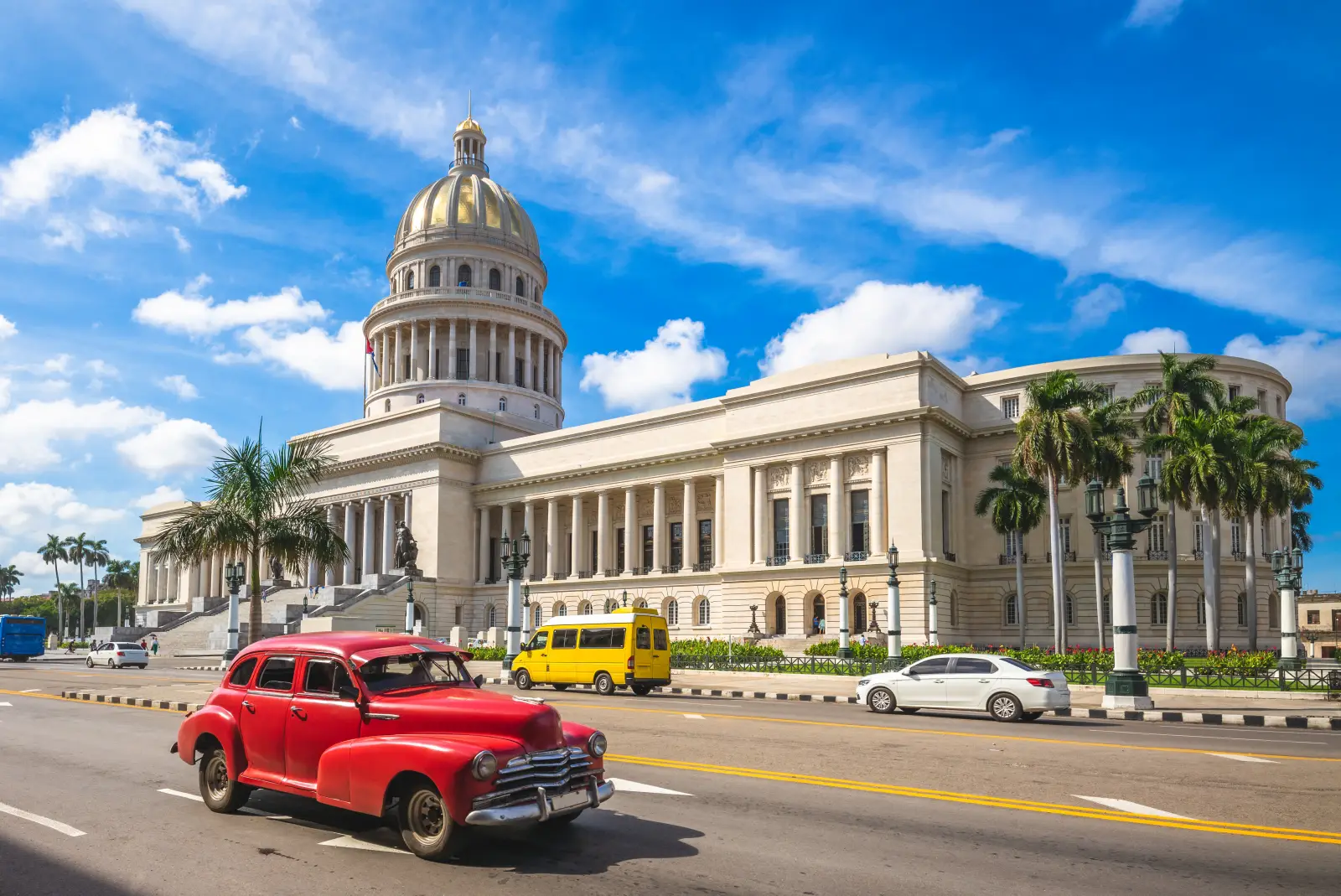
Photo Credit: Richie Chan / Shutterstock.com