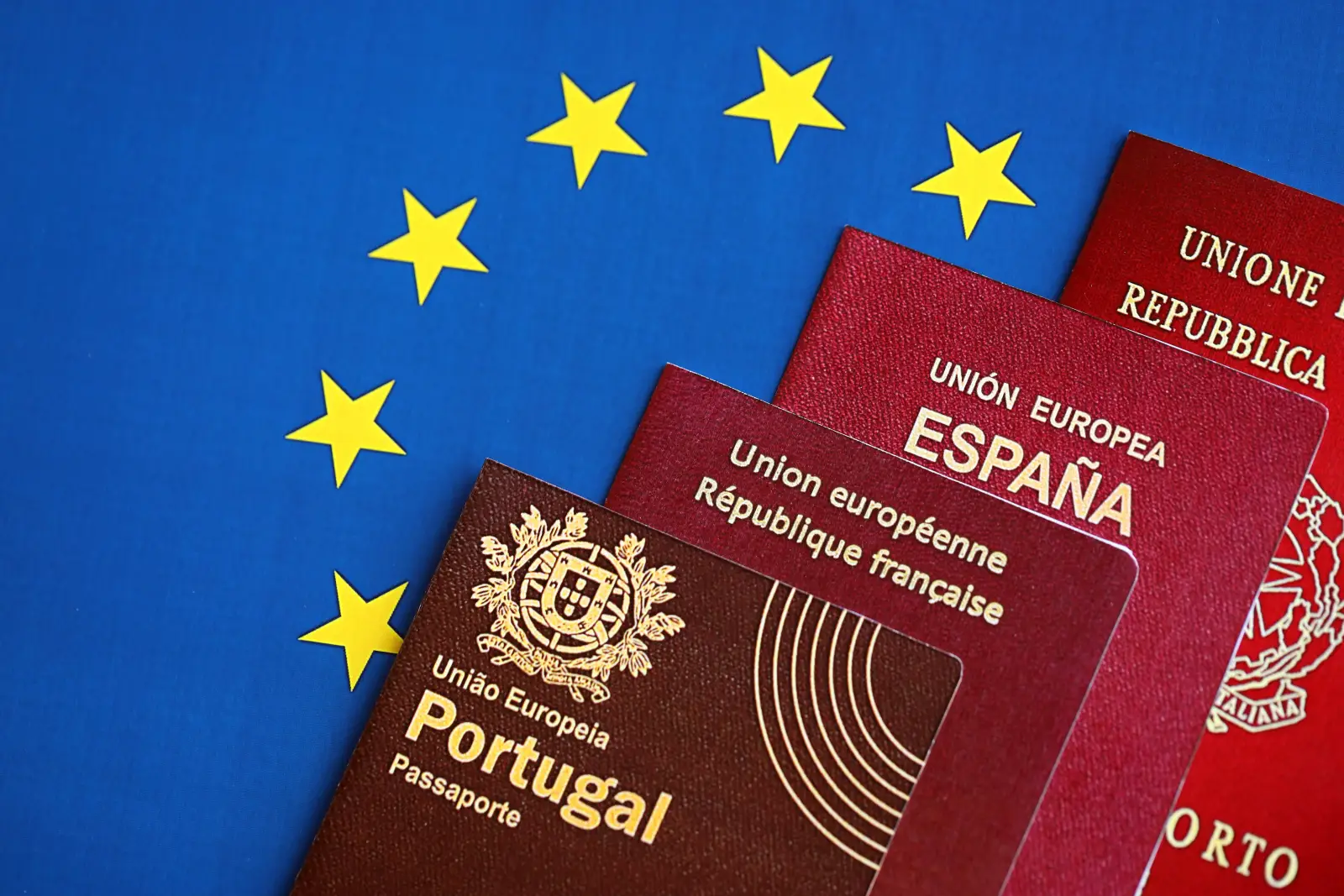
Some destinations charge European Union passport holders high visa or entry fees, even though their passports give visa-free access to more than 150 countries and territories. A review of tourist visa and electronic travel authorisation charges from more than 40 official immigration authorities found that costs can climb sharply in parts of Asia, Africa and the Caribbean.
Ghana topped the list for EU citizens, with an electronic visa fee of $260, about 227.5 euros. Bhutan appeared cheaper at first glance, but travellers also pay a Sustainable Development Fee of $100 per person per night, on top of a $40 entry charge, making it one of the most expensive destinations for longer stays.
Japan also moved higher up the list after reports that its tourist visa fee would rise from 3,000 yen to 15,000 yen, or about 81.3 euros. The figures refer only to the lowest tourist visa or electronic travel permit costs published for EU citizens, meaning fees can differ for other nationalities, including Turkish travellers.
The research underlines a wider truth about international travel for Europeans: visa-free entry does not always mean low-cost entry. In many places, travellers still face substantial administrative charges before they even book flights or hotels, and the bill can rise further through local taxes, mandatory forms and other required payments.
Among the higher-priced destinations listed were Nigeria, where fees ranged from $200 to $340, Cameroon at 153 euros, Algeria at 75 to 110 euros and Saudi Arabia at 395 Saudi riyals, or 92.07 euros. Namibia charged 1,600 Namibian dollars, while Gabon, Ivory Coast, Guinea and Sierra Leone also appeared in the upper end of the table.
Several destinations sat just below the top tier, including the United States at $40.27, Turkmenistan at 35 euros and Pakistan at between $20 and $35. Cambodia, Egypt, Kenya, Nepal and Jordan also all charged entry fees that, while lower than Ghana’s or Bhutan’s, still added a notable cost to a trip.
The list showed that in some countries the price varies by season or by processing type. India, for example, charges $10 between April and June and $25 between July and March, while New Zealand, Canada, Seychelles and Bahrain were among the cheaper destinations on the list.
For Turkish travellers, the final cost can be even higher than the figures quoted for EU passport holders. Different countries set visa fees by nationality, and many also add consular charges, intermediary service fees, biometric processing, travel insurance and mandatory document costs.
That means the price of a journey can be shaped as much by passport power as by distance. For some destinations, the real expense begins long before departure.
Photo Credit: Mehaniq / Shutterstock.com