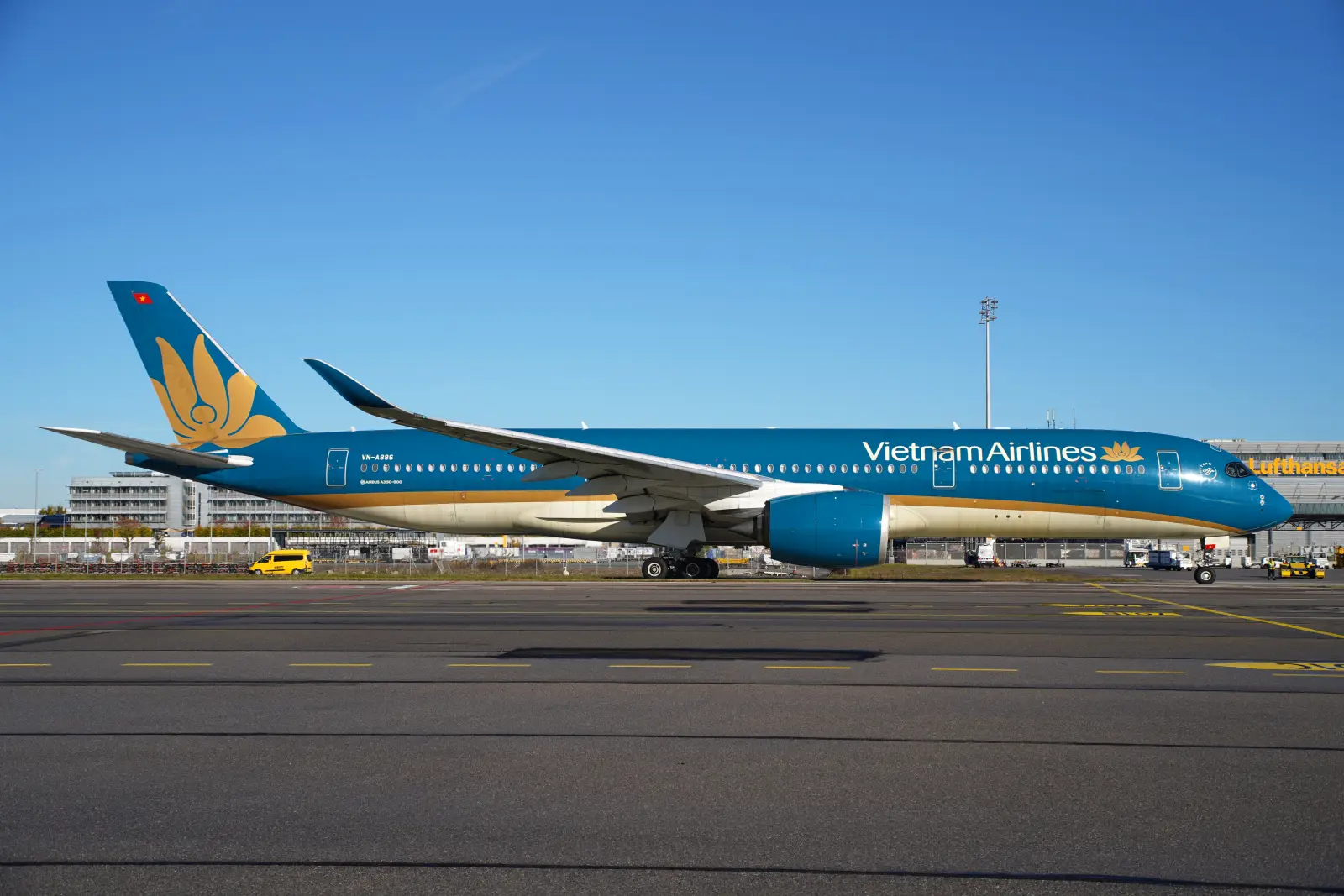
I had visited Central Vietnam particularly Hoi An which I had written fondly about in my articles on Ba Na Hills, the old quarter, and basket boat ride. I decided to return for a solo trip this time to northern Vietnam, first arriving in Hanoi, the capital of Vietnam and then travelling by road to Sapa, Ninh Binh and Ha Long Bay.
I had booked a private car to collect me from Hanoi International Airport and the journey takes about five and a half hours through a series of modern highways and winding roads up the hill to Sapa.


As I checked into my hotel, I could see the mist approaching and within a few minutes, my view at the balcony was covered in fog. A sense of mystical serenity descended upon the scene and it felt a bit surreal.


I had a lovely dinner in a very charming little café adorned with old-world memorabilia. I will write about the wonderful local Vietnamese cuisine in another article.


The town centre, even though small in size, is full of life at night with many tourists going out and about for shopping and meals.
Fansipan – the roof of Indochina

My first adventure the next morning was to visit Fansipan Peak, which is the highest mountain in Vietnam and all of Indochina, and is part of the eastern extension of the Himalayas. Known as the ‘Roof of Indochina’, it stands tall at 3,147 metres.
A famous triangular landmark sits at the top of the hill, which is a must-do photo opportunity for all visitors.

My hotel’s location is superb as it is at the doorstep of the train/cable car station that goes up the mountain. It is three-part journey but it is very efficient and comfortable though you may have to jostle with the crowd at times when you are getting into the railway cars or cable cars.
You need to first take a five-minute funicular train ride, then hop on a 15-minute cable car ride before having to take a final funicular train to reach the peak unless you wish to climb 600 steps to the peak.

The funicular train climbs slowly and steadily through two tunnels and four flyovers in just six minutes. A funicular typically has two carriages, one ascending and the other descending, which are connected by a cable. Funiculars are designed to transport people on steep slopes where traditional railways may not be feasible. Each train-car measures 20m long, 3m wide and can accommodate 200 guests..

When you step out of the funicular train, you will be greeted by a beautiful and peaceful flower garden filled with roses, or flowers of the season, manicured gardens and bronze statues. These sculptures lead the way to a 20-metre celestial Buddha statue perched on the mountainside — the largest in the country.

The foggy weather on the day meant I could not view this giant Buddha statue or the long winding path stretching down the mountain. That means I have to come back next time for this spectacular view (photo courtesy of Vietnam Tourism).
You can also view this beautiful scene on a clear day here.
Cable car ride


Your next journey is the 15-minute cable car ride.
The cable car ride up to Fansipan offers a different experience from Ba Na Hills.
Ba Na Hills offers a modern European-style theme park experience, while Fansipan is rustic and rural in nature without the modernity. Both offer amazing cable car rides but I had a ‘clear day’ experience in Ba Na Hills when I visited in early March. It was exactly the opposite at Fansipan which was covered in fog and mist at the top during my visit in mid-May.


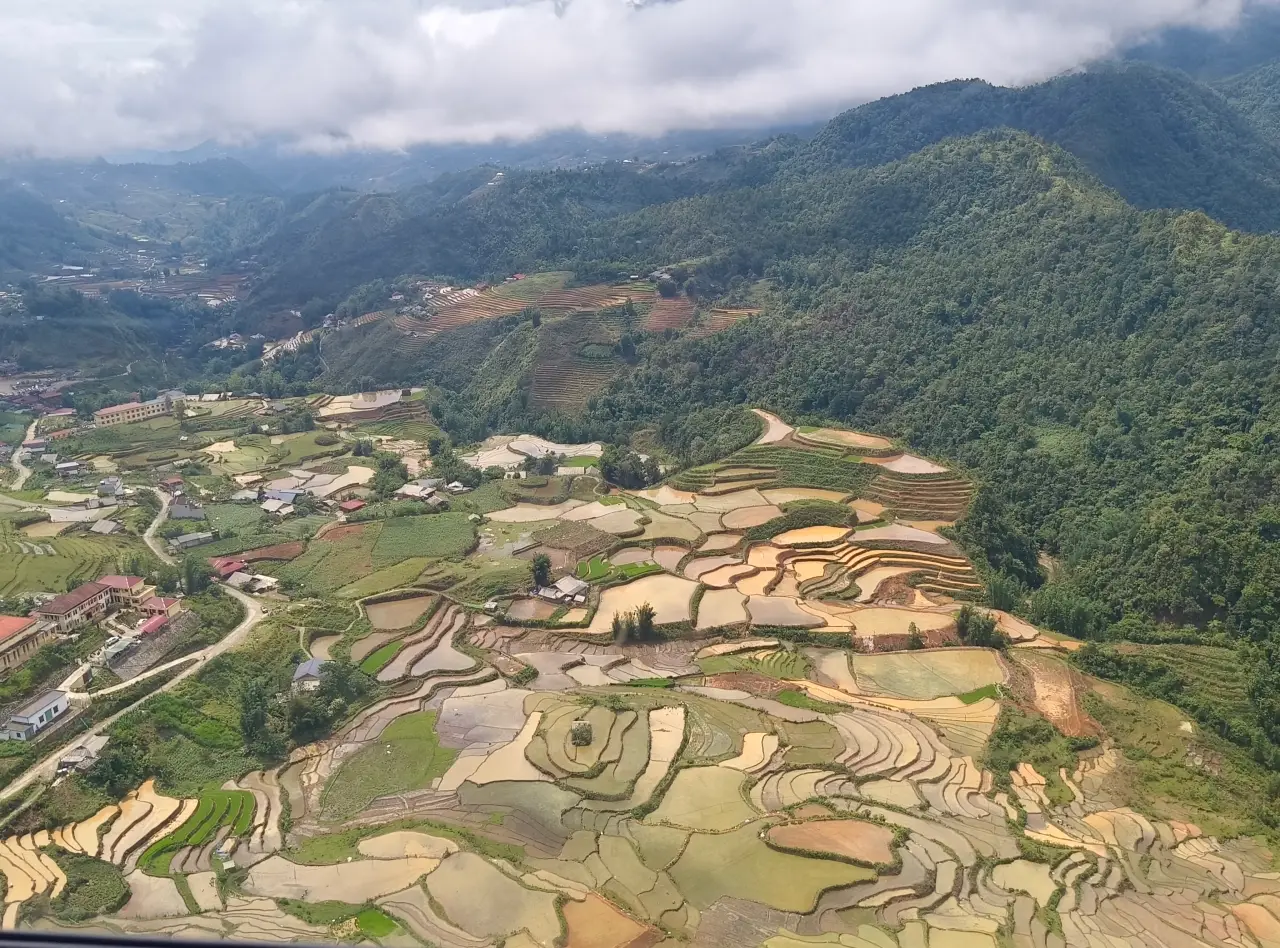
We had a bird’s eye view of the picturesque scenery at the height of several thousand meters before the clouds set in. We were treated to a breathtaking landscape, from rice terraces, waterfalls to the quaint villages, making Sapa seem like a secret paradise in the clouds.
I did enjoy the fog and mist as it offers a different experience, and my fellow passengers in the cable car, were in awe of being covered in the clouds. You can see everyone’s jaw just opening wide and whispers of ‘Wow’ were heard all around.

After the cable car ride is the third leg of the journey up the hill via another funicular train. From here, you will have the rewarding, unbelievable sight of cloud-covered peaks stretching all the way to the horizon.

As I wandered through the pagoda complex before climbing several flights of steps to the summit, I felt a certain sense of serene spirituality and offered silent prayers.


The highest point is a favourite spot for selfies, and you can walk the entire platform for 360-degree vistas. It was all covered in mist but everyone just had fun walking around and taking plenty of photos nonetheless.
Flag-raising ceremony

My visit also coincided with the timing of the flag-raising ceremony on Fansipan peak which took place around 10.30am. As soon as the three guards of honour marched to the ceremonial music, everyone present stopped what they were doing and looked their way.

The ceremony took place solemnly, demonstrating loyalty and much respect for the country and for generations of Vietnamese people who fought and sacrificed to protect independence and freedom, as explained to me by my guide. Even I felt some sense of pride whilst witnessing these three young men go through the moves that they must have rehearsed many times to hoist the giant flag. I started to clap once the ceremony finished and I was glad that everyone did the same.
You can view the ceremony here

That completed my visit to Fansipan peak as I descended the mountain via the three short train and cable car journeys again.
Useful tips
I prefer a hotel in the town centre which is close to restaurants and shops. The hotels with mountain views are more secluded and you need to walk a further distance to the town centre to get your meals unless you wish to eat in the hotel.
You can also choose to travel by the overnight train from Hanoi to Sapa, which takes about eight hours. There is also the sleeper bus and it takes about six to seven hours.
I had felt giddy from altitude sickness when I first arrived. I had read that drinking lots of water and eating some snacks will alleviate the situation and indeed it worked.

This venue is not accessible for people in wheelchairs or who are unable to walk up flights up steps.
It is all down to luck and the weather cannot be predicted in advance though it is said that the best time to visit Sapa is in September and October; or in April and May when the weather is ideal and skies are clear but clearly it was not when I visited in May.
The weather can turn any time so make sure you wear proper clothing for cool and rainy weather, put on sunscreen, bring a hat, some snacks and bottled water.
Before the cable car, it used to take travellers two days of hard trekking to reach the summit – hiking is still a popular way to travel up the mountain but you need to be fit.
All photos featured here are provided by the writer except the image of the Buddha statue, which is courtesy of Vietnam Tourism.