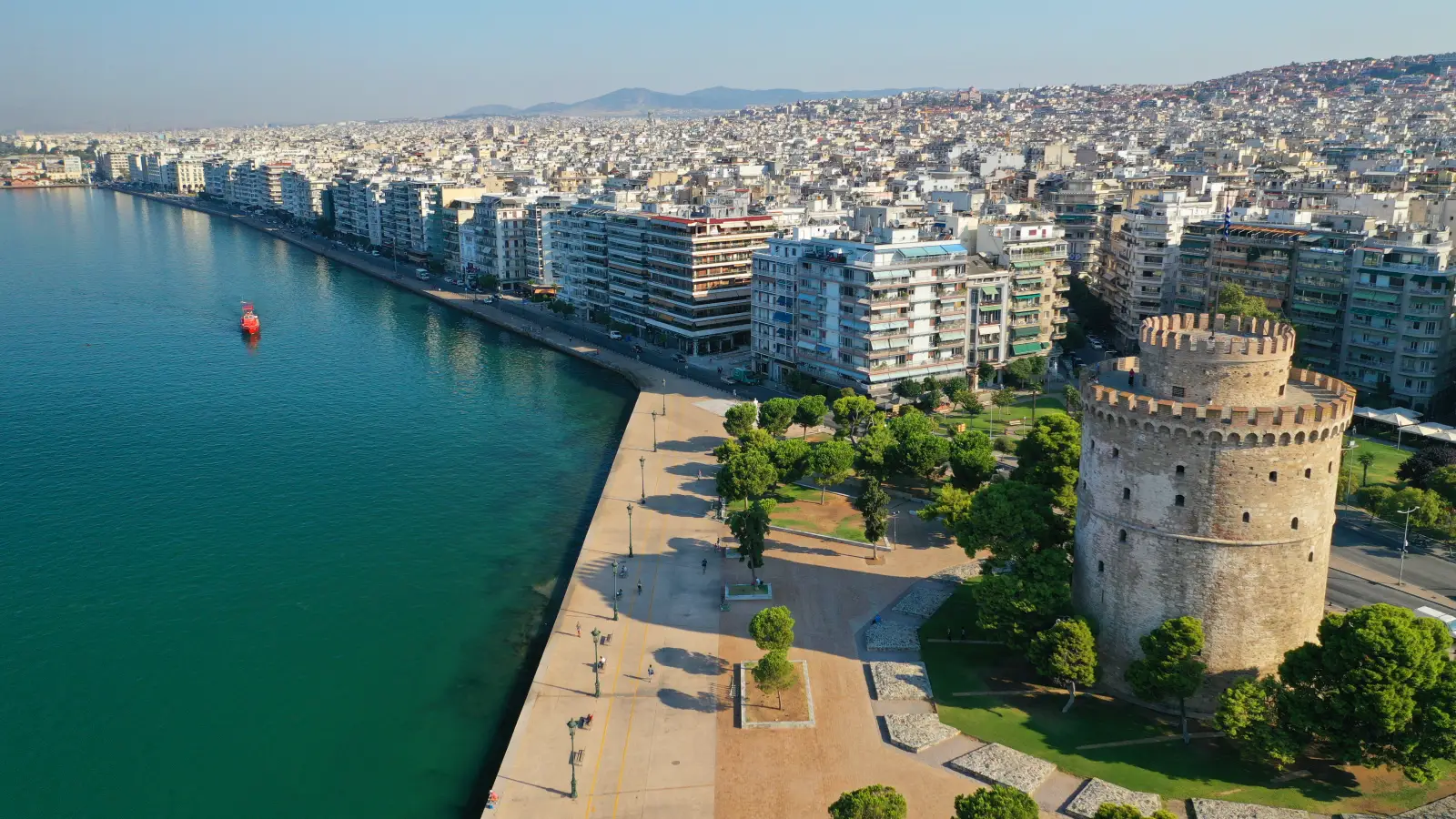
Greece has expanded its crackdown on short-term holiday rentals by freezing new Airbnb-style property registrations in the historic and commercial centre of Thessaloniki, as the government steps up efforts to improve housing availability for local residents.
The new rules took effect on 1 July 2026 and will remain in force until 31 December 2026. During that period, no new Short-Term Rental Registry Numbers (AMA) will be issued for properties located in the city’s 1st Municipal District, meaning owners who failed to register before the deadline cannot legally begin operating short-term rentals in the affected area.
The measure brings Thessaloniki into line with restrictions already introduced in central Athens, where new registrations have been suspended in the city’s first three municipal districts. The policy forms part of the Greek government’s broader strategy to reduce pressure on the long-term housing market in areas heavily affected by tourism.
Property transfers also affected
The legislation also introduces significant changes for property transactions. If a registered short-term rental property is sold, donated or transferred between family members, its existing AMA registration is automatically cancelled. The new owner cannot obtain a replacement registration while the suspension remains in force.
The only exception applies to inherited properties. Heirs may retain the property’s short-term rental status without losing its registration, following amendments made before the law was approved.
The changes have prompted many property owners to accelerate planned sales and family transfers before the restrictions came into force, while prospective investors have been reassessing purchases in the affected districts because the ability to generate short-term rental income is no longer guaranteed.
Heavy penalties for illegal rentals
Enforcement will be carried out by AADE, the Independent Authority for Public Revenue, which has announced stricter inspections targeting unregistered holiday rentals.
Owners operating illegally face fines equal to 50% of the income earned from unauthorised rentals, with a minimum penalty of €20,000. A second offence within the same tax year doubles the fine, with penalties reaching at least €40,000.
The government says the restrictions are intended to return more homes to the long-term rental market and improve affordability for residents. Officials argue that rapid growth in short-term accommodation has reduced housing supply and contributed to rising rents in Greece’s most popular urban neighbourhoods.
The new rules follow similar housing interventions introduced across several European cities as governments attempt to balance tourism growth with the availability of affordable housing. Authorities have indicated that 2026 will serve as a review period, with the impact of the measures on rental prices and housing supply closely monitored before deciding whether the restrictions should be extended or expanded to additional destinations.
Outside the restricted districts in Thessaloniki and Athens, short-term rentals remain permitted under Greece’s existing national regulatory framework, provided owners comply with registration and tax requirements.
Photo Credit: Aerial-motion / Shutterstock.com