The Global Baggage Roadmap launched by the International Air Transport Association (IATA) sets the stage for airlines to adopt digital baggage tags and transform baggage handling over the next decade. Developed in collaboration with airlines, airports, and industry partners, this new initiative aims to deliver smarter, safer, and more seamless baggage experiences for passengers worldwide.
A Three-Pillar Strategy for Global Baggage Reform
IATA’s 10-year roadmap is built around three core pillars: baggage information exchange and data standardization, baggage tracking and automation, and streamlined claims and fraud prevention. These pillars together form a strategic framework for modernizing baggage operations from check-in to arrival.
- Baggage Information Exchange and Data Standardization: This pillar focuses on replacing outdated systems such as teletype messaging with modern API-driven standards. By doing so, airlines and airports can share baggage data more efficiently, reducing reconciliation errors, delays, and misrouted bags. IATA estimates that this shift could save the industry up to USD 1 billion annually.
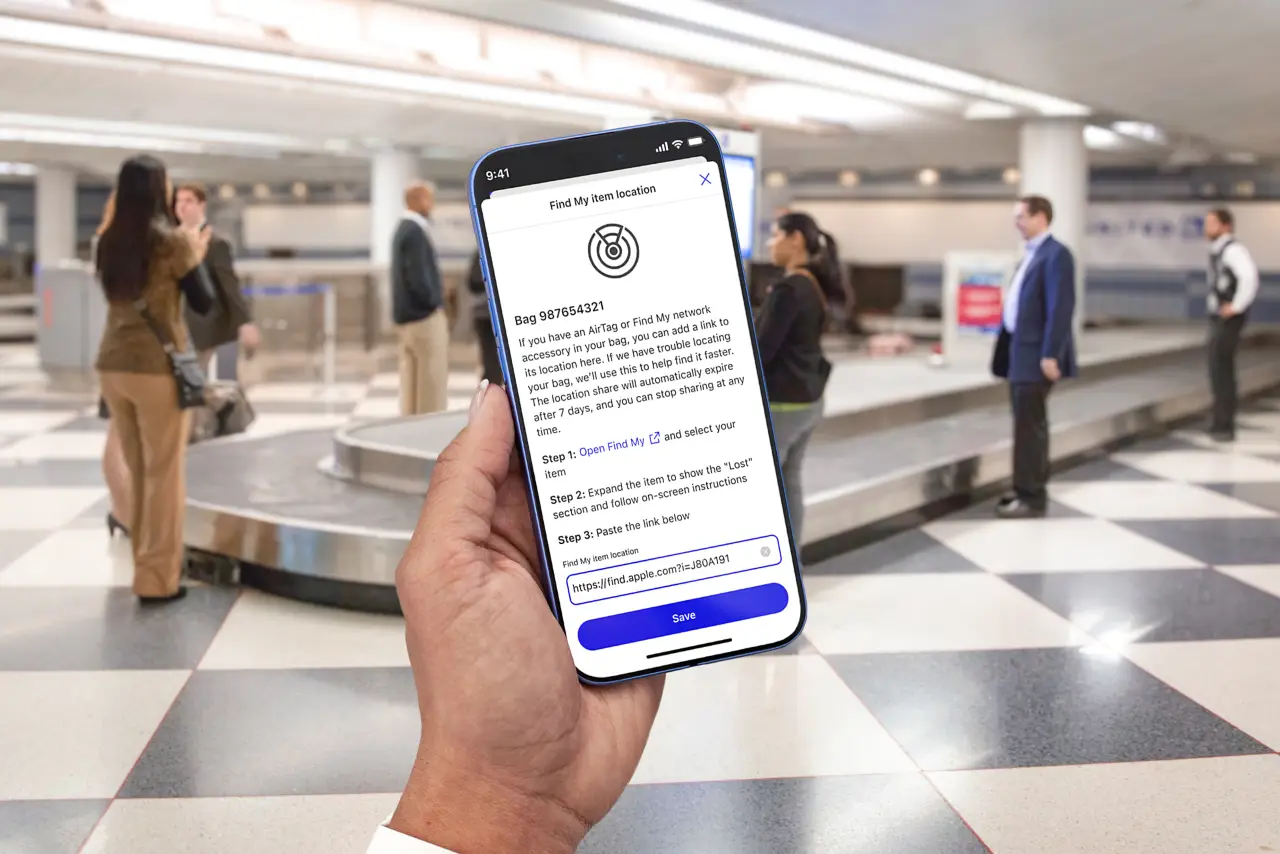
- Baggage Tracking and Automation: Leveraging digital baggage tags, GPS technology, and robotics, this pillar will allow travelers to track their checked luggage in real time via their mobile devices. It also improves the flow of baggage between connecting flights, reducing the chance of lost or delayed bags.
- Streamlined Baggage Claims and Fraud Prevention: With new digital systems in place, airlines can process claims faster and prevent fraudulent requests. Improved tracking means passengers have more transparency, and airlines have better data to resolve issues quickly and fairly.
What Is a Digital Baggage Tag?
A digital baggage tag is an electronic version of the traditional paper tag attached to checked luggage. Instead of printing a tag at the airport, passengers can use their smartphone to check in their bag and update the tag electronically. These tags typically feature e-ink displays (similar to a Kindle screen) that show flight and baggage information and can be reused multiple times.
Digital baggage tags are often integrated with airline mobile apps, enabling travelers to check in from home, skip kiosk lines, and track their luggage in real time. Some models also include GPS or Bluetooth features, making it easier to monitor bag location throughout the journey.
These tags not only improve the passenger experience but also help airlines reduce waste, cut costs, and streamline baggage handling operations.
Traveler Expectations Driving Digital Transformation
Recent IATA polling underscores the urgency of the changes. Data shows that 81% of travelers want better baggage tracking, 74% expect real-time mobile updates, and 67% are open to using electronic baggage tags. These expectations reflect a broader trend toward automation and digital service in air travel.
Monika Mejstrikova, IATA’s Director of Ground Operations, stated, “Baggage is important for travelers. When they check a bag, they expect it to arrive on time. And if it doesn’t, they want to know where it is.”
She continued, “The Global Baggage Roadmap will move us closer to the automated digital baggage services that travelers want.”
Aligning with Broader Industry Goals
This roadmap is part of IATA’s larger mission to modernize ground operations, boost safety, and enhance the passenger experience across the aviation ecosystem. The organization plans to support implementation by providing training, developing guidance materials, and monitoring industry progress over the coming years.
The roadmap also builds on past IATA initiatives aimed at improving baggage performance, consolidating lessons learned, and charting a unified vision for the next decade. With stakeholders aligned, the roadmap represents a pivotal step toward minimizing lost luggage incidents and elevating customer satisfaction.
What to Expect from the Future of Travel
For passengers, this shift promises less anxiety at baggage claims, fewer lost items, and more control via their smartphones. For airlines and airports, digital transformation could lower costs, increase efficiency, and reduce one of the most common pain points in air travel. From paper tags and manual reconciliation to a world of real-time tracking and automation, the future of baggage handling is on the move.
As global adoption grows, travelers can expect smarter journeys with fewer disruptions—and airlines can deliver a smoother, more reliable service that aligns with expectations of the digital age.